
Certified barrier products engineered to EN 13795 and AAMI PB70 Level 2–4 standards, manufactured in ISO 13485 cleanrooms for Tokyo healthcare providers.
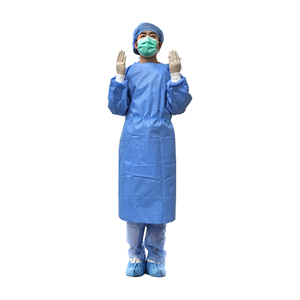
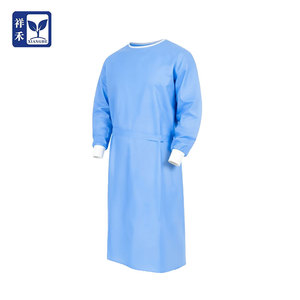
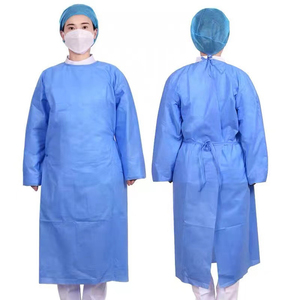
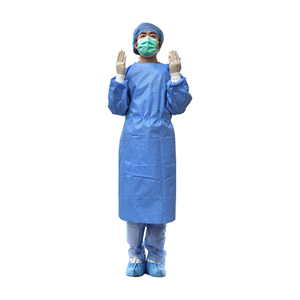
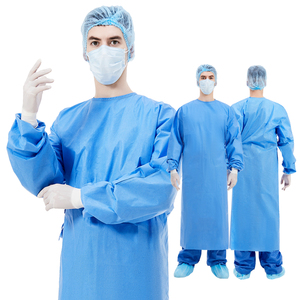
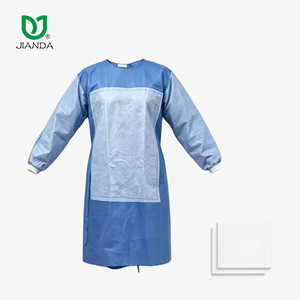
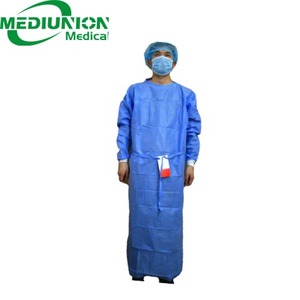
The Greater Tokyo Metropolitan Area represents one of the world's most sophisticated healthcare markets. Home to prestigious university medical centers—such as the University of Tokyo Hospital, Keio University Hospital, and Juntendo University Hospital—alongside specialized surgical institutions, the demand for single-use medical disposables has undergone a rapid evolution. Tokyo’s perioperative infection control protocols prioritize zero cross-contamination, surgical site infection (SSI) mitigation, strict linting controls, and precise liquid management systems during complex surgical interventions.
Procurement committees within Tokyo hospitals are shifting away from traditional reusable cotton drapes to high-tech, multi-laminate single-use surgical drapes and custom procedure packs (CPTs). This transition is driven by stringent regulatory frameworks enforced by Japan’s Pharmaceuticals and Medical Devices Agency (PMDA) under the Ministry of Health, Labour and Welfare (MHLW), as well as international quality benchmarks including ISO 13485:2016, EN 13795, and AAMI PB70 barrier standards.
Selecting the right surgical drape manufacturer requires evaluating fluid barrier integrity, bio-compatibility, low-linting non-woven materials, supply chain agility to Tokyo Port and Haneda/Narita logistics hubs, and regulatory technical documentation support. Below is an authoritative technical comparison of the leading suppliers servicing the Tokyo medical sector in 2026.
| Manufacturer / Supplier | HQ Location | AAMI PB70 / EN 13795 Compliance | Cleanroom Manufacturing | Custom Pack (CPT) Agility | Tokyo Supply Chain SLA |
|---|---|---|---|---|---|
| Surgeine Healthcare | India / Global | AAMI Level 2, 3 & 4 / EN 13795 Certified | ISO Class 7 & 8 (10K / 100K) | High (Tailored Component Specs) | Direct Air & Sea Freight to Tokyo |
| Hogy Medical Co., Ltd. | Tokyo, Japan | JIS T 8060 / AAMI Level 1–4 | Class 100,000 Standard | Moderate (Standard Japanese Kits) | Domestic Local Stocking |
| Mölnlycke Health Care | Sweden | EN 13795 High Performance | ISO Class 5–8 Certified | High (ProcedurePak® system) | Regional Distribution Center |
| 3M Health Care (Solventum) | USA / Japan Hub | AAMI Level 4 / ASTM F1671 | Controlled Medical Cleanrooms | Moderate (Standard Drape Line) | Local Japan Warehousing |
| Medline Industries Japan | USA / Tokyo Office | AAMI Level 1–4 / EN 13795 | ISO 13485 Cleanroom Facilities | High (Customized Trays) | Tokyo Distribution Hub |
| Hakuzo Medical Corporation | Osaka / Tokyo Branch | JIS Standard / AAMI Level 2–3 | Domestic Medical Cleanroom | Low to Moderate | Domestic Direct Supply |
| Kawamoto Corporation | Osaka, Japan | JIS T Standards / CE Marked | ISO Certified Cleanrooms | Moderate | Nationwide Logistics Net |
| Cardinal Health Japan | USA / Tokyo Hub | AAMI Level 3 & 4 Impervious | ISO 13485 Global Cleanrooms | High (Presource® Packs) | Kanto Logistics Center |
| Toray Medical Co., Ltd. | Tokyo, Japan | JIS / ISO Compliant | High-Grade Advanced Cleanroom | Low (Focus on Core Non-wovens) | Domestic Tokyo Supply |
| Paul Hartmann AG | Germany | EN 13795 / CE MDR 2017/745 | European Class Cleanrooms | High (Comset® Procedure Packs) | Import Partner Network |
When Tokyo healthcare procurement teams evaluate surgical drape suppliers, material performance is scrutinized under hydrostatic head tests, particle generation metrics (linting), and resistance to synthetic blood and viral penetration.
Modern surgical drapes rely on advanced non-woven technology, including SMS, SMMS, and SMMMS (Spunbond-Meltblown-Spunbond) configurations. Meltblown microfibers act as a microscopic barrier against pathogens, while outer Spunbond layers deliver tensile strength and abrasion resistance.
For high-irrigation surgeries like knee arthroplasty, urology, and cardiac procedures, drapes feature integrated heavy-duty polyethylene fluid collection pouches, vacuum suction ports, and absorbent reinforcement zones to keep the sterile field completely dry.
Surgical drapes integrated with transparent, breathable polyurethane incise films (with or without Chlorhexidine / Iodine antimicrobial impregnation) adhere securely to skin contours, preventing bacterial migration from cutaneous flora into incision sites.
Surgical protocols in Tokyo’s leading hospitals require customized drape geometry aligned with specific surgical specialties. Surgeine Healthcare and top suppliers supply application-specific drape sets tailored for the following clinical scenarios:
Cardiothoracic procedures involve prolonged surgical times and significant fluid exposure. Drapes designed for coronary artery bypass grafting (CABG) feature dual fenestrations, lateral fluid-control pouches, and heavy-duty AAMI Level 4 impervious zones to resist liquid strike-through during cardiopulmonary bypass operations.
Total hip and knee replacements demand drapes with exceptional tear resistance, elastomeric leg fenestrations that maintain a tight sterile seal during extremity maneuvering, and high-capacity liquid collection troughs equipped with drainage valves for high-volume irrigation fluid.
With Tokyo being a primary market for robotic surgical system adoption, specialized drapes feature wide, low-linting abdominal fenestrations paired with custom camera sleeves, robotic arm covers, and equipment drapes engineered to preserve mechanical sterility without interfering with robotic arm mobility.
Cataract and vitreoretinal procedures require ultralight, non-linting drapes equipped with fluid catch bags, gentle hypoallergenic adhesive apertures, and breathable non-woven substrates that ensure patient comfort under local anesthesia.
Understanding the macro trends shaping Tokyo’s medical disposables market helps procurement directors optimize supplier relationships and mitigate operational risks.
Surgeine Healthcare has established itself as a premier global manufacturer and exporter of sterile surgical disposables, serving medical distributors, hospital networks, and GPOs across 25+ countries since 2002.
Operating four advanced manufacturing facilities equipped with ISO Class 7 and Class 8 (10K / 100K) cleanrooms, Surgeine maintains complete vertical integration—from in-house medical-grade hotmelt lamination to specialized packaging and internal quality control testing labs.
Surgeine delivers targeted infection prevention solutions across specialized sub-brands:
Looking to elevate surgical safety, streamline hospital procurement, or expand OEM/private-label distribution in Tokyo and the Kanto region? Contact Surgeine Healthcare's technical sales team today.
Get Catalog