

Executive Whitepaper: Technical Architecture of Modern Sterilization Pouches & Sterile Barrier Systems (SBS) in the United States
In the contemporary North American healthcare ecosystem, maintaining a compromised sterile field is not merely a operational flaw—it represents a severe patient safety risk and an enormous financial liability for health systems. As a leading Sterilization Pouches Factory & Exporter in the United States market, our engineering framework focuses on solving the critical micro-challenges of terminal sterilization packaging. Medical device packaging—specifically self-seal sterilization pouches, heat-seal flat pouches, gusseted reels, and surgical protective apparel—serves as the final protective barrier ensuring device sterility from the moment of terminal processing to the exact second of aseptic presentation at the surgical table.
The regulatory mandates set forth by the U.S. Food and Drug Administration (FDA), alongside strict guidelines established by the Association for the Advancement of Medical Instrumentation (AAMI ST79), the Association of periOperative Registered Nurses (AORN), and ISO 11607-1/2 standards, demand that sterile barrier materials exhibit exceptional microbial barrier properties, physical burst strength, clean pealability, and verifiable chemical indicator responsiveness. This whitepaper provides a comprehensive technical overview of sterilization pouch manufacturing, material science, localized U.S. procurement trends, and quality assurance protocols necessary for tier-1 U.S. health systems, Ambulatory Surgery Centers (ASCs), and medical device OEMs.
Core Engineering Objective: To supply U.S. healthcare providers with medical packaging solutions that exceed ASTM F1929 dye penetration integrity, ASTM F88 seal strength standards, and ISO 11607 microbial ingress resistance while eliminating fiber tear and cleanroom particle contamination during aseptic opening.
Section 1: Material Science & Physics of Sterilization Pouch Manufacturing
Sterilization pouches are composite sterile barrier systems engineered from two primary substrate components: a permeable porous web (typically heavy-duty medical grade paper or synthetic spunbond polyolefin such as DuPont™ Tyvek®) and a non-porous transparent multi-layer plastic laminate film. The interaction between these two distinct materials dictates the package's mechanical strength, gas flow efficiency, and shelf-life stability.
1. Medical-Grade Porous Substrates: Paper vs. Synthetic Non-Wovens
For standard Steam (Autoclave) and Ethylene Oxide (EO) gas sterilization cycles, our manufacturing facility utilizes ultra-pure, medical-grade kraft paper ranging from 60 g/m² to 70 g/m². Unlike standard industrial packaging papers, medical-grade paper features controlled pore geometry (typically 0.2 to 0.5 microns) that permits the rapid evacuation of air and penetration of sterilizing agents (saturated steam or EO gas) while physically trapping airborne micro-organisms, bacterial spores, and particulate contaminants during pressure equilibration.
For advanced low-temperature Vaporized Hydrogen Peroxide (VHP) plasma sterilization systems—widely deployed across U.S. surgical suites for heat-sensitive electrosurgical units and endoscopes—traditional cellulose paper is unsuitable due to peroxide absorption and vacuum collapse. In these high-spec applications, our export lines utilize medical-grade Tyvek® substrate (1059B or 1073B grades). The random matrix of high-density polyethylene (HDPE) micro-fibers delivers extreme tear resistance, zero moisture absorption, and unmatched microbial barrier integrity under deep vacuum drawdown cycles.
2. Multi-Layer Co-Extruded Laminate Film Engineering
The transparent web of our sterilization pouches comprises a multi-layer co-extruded film structure—combining Polyester (PET) for thermal resistance and mechanical tensile strength with Polyethylene (PE) or Polypropylene (PP) for low-temperature heat sealing. Our advanced 7-layer film formulations feature:
- Clean Peel Technology: Prevents paper fiber shredding or film delamination during pouch opening, protecting the sterile field from airborne cellulose debris.
- Tinted Visual Verification: Subtle blue or green film tinting enables Central Sterile Processing (SPD) technicians to immediately perform visual inspection of seal continuity, identifying voids, channels, or micro-leaks before storage.
- High Puncture Resistance: Reinforced elastomeric polymer blend layer engineered to resist sharp surgical instruments, scissors, orthopedic drills, and retractors.
Section 2: Comprehensive Technical Specifications & Quality Assurance Matrix
Every lot of sterilization pouches produced in our ISO 13485 cleanrooms undergoes rigorous destructive and non-destructive physical testing to validate conformance with United States pharmacopeia and regulatory frameworks. The table below highlights the key physical performance metrics of our flagship U.S. export product range:
| Performance Parameter | Testing Standard | Standard Medical Paper Pouch | Tyvek® High-Barrier VHP Pouch |
|---|---|---|---|
| Seal Strength Performance | ASTM F88 / EN 868-5 | ≥ 1.5 N / 15mm width | ≥ 2.5 N / 15mm width |
| Package Integrity (Dye Penetration) | ASTM F1929 | Zero liquid dye channels/leaks | Zero liquid dye channels/leaks |
| Bursting Strength (Mullen Test) | ISO 2758 / ASTM D3786 | ≥ 280 kPa | ≥ 700 kPa |
| Microbial Barrier Efficiency | ASTM F1608 / DIN 58953-6 | Log Reduction Value (LRV) > 3.0 | Log Reduction Value (LRV) > 5.0 |
| Sterilization Process Compatibility | ISO 11140-1 Class 1 | Steam (121°C - 134°C), EO Gas | VHP Hydrogen Peroxide Plasma, EO |
| Particulate Generation (Clean Peel) | EN 868-5 Appendix E | No fiber tearing / ultra-low particulate | Zero particle shedding |
Section 3: Localized Application Scenarios Across the United States Healthcare Landscape
The procurement requirements for sterilization pouches and medical packaging within the United States vary dramatically depending on the operational scale, clinical specialty, and workflow velocity of the medical facility. As an experienced exporter catering to U.S. demand, we customize packaging parameters for several localized clinical settings:
1. Hospital Central Sterile Supply Departments (CSSD / SPD)
Large-scale acute care hospital networks in major U.S. metropolitan hubs process thousands of instrument trays daily. SPD departments require heavy-duty heat-seal pouch rolls (flat and gusseted) that interface smoothly with continuous rotary heat sealers. Our pouches feature dual lead-free chemical indicators printed directly on the paper web under the seal area, providing unmistakable color transition when exposed to Steam (Pink to Dark Brown) or EO gas (Blue to Brown), allowing technicians to verify processing status instantly.
2. Outpatient Ambulatory Surgery Centers (ASCs)
ASCs represent one of the fastest-growing healthcare sectors in the United States, operating under lean inventory models where turnover speed is critical. Self-seal sterilization pouches equipped with pre-folded alignment creases and medical-grade pressure-sensitive adhesive strips allow ASC technicians to package single instruments, surgical gowns, and small procedure packs rapidly without needing dedicated heat-sealing equipment.
3. Dental Service Organizations (DSOs) & Multi-Location Dental Clinics
With thousands of DSO locations operating across North America, standardizing infection control protocols is paramount. Our compact self-seal pouches are specifically sized for dental handpieces, scaling cassettes, and extraction forceps, ensuring strict adherence to CDC Dental Infection Prevention guidelines and State Dental Board compliance audits.
4. Medical Device Original Equipment Manufacturers (OEMs)
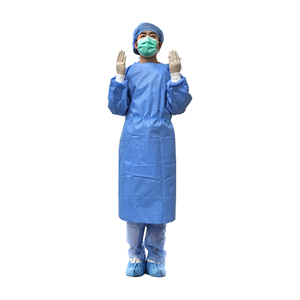
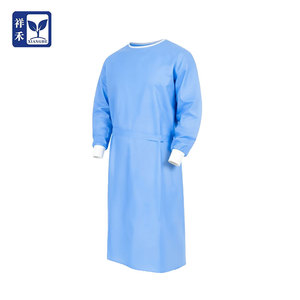
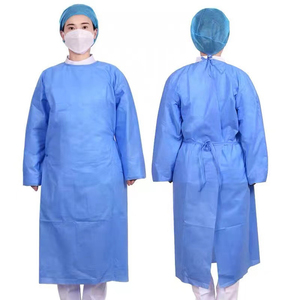
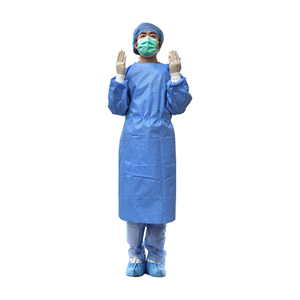
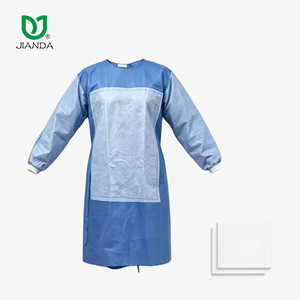
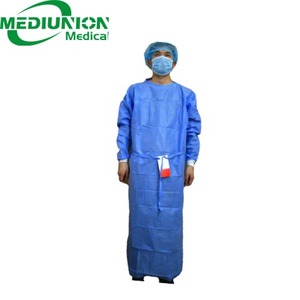
U.S.-based medical device manufacturers producing pre-filled procedural trays, disposable sterile surgical gowns (such as SMMS, SMS reinforced gowns), and specialized surgical drapes require validated bulk packaging rolls. We provide customized OEM pouch geometries, private-label box printing, and complete validation master files (VMF) including accelerated aging data (ASTM F1980) demonstrating 5-year sterile shelf-life maintenance.
Section 4: United States Industry Trends & Strategic Regulatory Drivers
The U.S. market for sterilization packaging is currently undergoing a structural transformation driven by legislative shifts, sustainability demands, and supply chain resilience initiatives. Understanding these trends enables buyers to make future-proof procurement decisions:
Transition from Ethylene Oxide (EO) to Low-Temp VHP
Environmental Protection Agency (EPA) regulations on industrial EO emissions in the U.S. have accelerated hospital adoption of VHP plasma sterilization. This shift is driving exponential growth in Tyvek®-compatible packaging demand across U.S. healthcare facilities.
ANSI/AAMI ST79 Comprehensive Compliance
U.S. Joint Commission inspections closely monitor compliance with AAMI ST79 guidelines for sterile storage. Pouches must demonstrate verifiable seal integrity, clear chemical indicator tracking, and clear lot-number stamping for traceability.
Sustainable & Recyclable Packaging Materials
U.S. hospital Group Purchasing Organizations (GPOs) are increasingly prioritizing environmental sustainability. Our factory leads the industry with solvent-free water-based ink printing and zero-heavy-metal pouch laminate components.
Section 5: Enterprise Advantages & Factory Export Capabilities
Surgeine Healthcare stands at the global forefront of sterile barrier manufacturing. Founded with a single-minded dedication to perioperative infection prevention, our modern manufacturing facilities feature ISO Class 7 (10,000) and Class 8 (100,000) certified cleanrooms designed to meet the rigorous quality standards required by international health authorities and U.S. medical importers.
Our competitive advantage rests upon complete vertical integration. From in-house film lamination and high-precision flexographic printing to automated pouch forming and internal laboratory testing, every step of our manufacturing workflow is governed by our ISO 13485:2016 quality management system. Unlike general trading companies, our direct factory setup ensures:
- Direct OEM & Private Label Support: Tailored pouch sizes, specialized chevron seal designs, and custom artwork incorporating U.S. standard barcode formats (GS1 DataMatrix, UDI compliance).
- In-House Physical & Microbiological Testing: Every production lot is sampled and tested for tensile seal strength, burst resistance, bubble emission (ASTM F2096), and indicator ink color accuracy prior to container loading.
- Robust U.S. Export Logistics: Comprehensive documentation packages provided with every shipment—including Certificate of Conformance (CoC), Certificate of Sterility, ISO 11607 validation summaries, and FDA registration support for seamless customs clearance.
Ready to Elevate Your Sterile Barrier Supply Chain?
Work directly with a certified sterilization pouches factory and exporter equipped for high-volume U.S. distribution.
Inquire Now