
Engineered for surgical excellence, strict fluid barrier integrity, and compliance with Philippine Department of Health (DOH) & FDA CDRRHR standards.
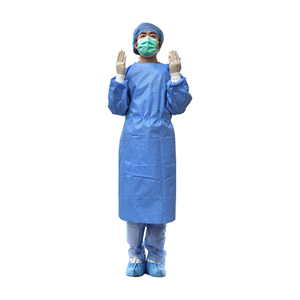

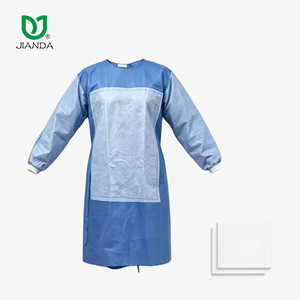
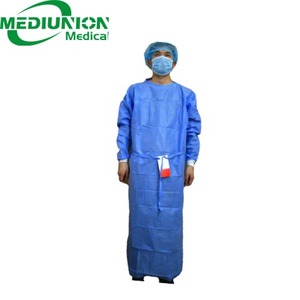
Engineered with custom poly-lens caps that guarantee >99% optical transmission. Prevents lens fogging during lengthy microsurgical procedures in high-humidity Philippine operating suites.
Specifically contoured configurations tailored for leading surgical optical systems including Zeiss OPMI, Leica Microsystems, Topcon, and Moller-Wedel microscopes across all surgical disciplines.
Fully compliant with Philippine FDA CDRRHR regulations (CMDN/CMDR registration ready), ISO 13485:2016 certified, and backed by EU MDR CE declarations of conformity for smooth import clearance.
The healthcare delivery ecosystem in the Philippines is undergoing a historic structural transformation. Driven by the full implementation of the Universal Health Care (UHC) Law (Republic Act No. 11223) and expanded health insurance coverage under PhilHealth, surgical procedural volumes in both public tertiary hospitals and private medical centers are accelerating exponentially. From major healthcare hubs in Metro Manila (such as Philippine General Hospital, St. Luke's Medical Center, and Medical City) to growing regional hospital networks in Metro Cebu, Davao City, Iloilo, and Cagayan de Oro, operating rooms are modernizing their infection prevention protocols to align with international standards.
In high-precision surgical subspecialties—including neurosurgery, ophthalmic microsurgery, otolaryngology (ENT), reconstructive plastic surgery, and vascular procedures—the operating microscope represents a mission-critical, multi-million-peso capital asset. Maintaining a rigorous, sterile field surrounding these complex electromechanical units without compromising visual acuity, focal depth, or motorized movement is paramount to preventing Surgical Site Infections (SSIs) and cross-contamination.
Exporting surgical microscope covers to the Philippine archipelago requires specialized material science considerations. The Philippine climate is characterized by high relative ambient humidity (frequently exceeding 80-85%) and elevated tropical temperatures. When sterile draping is opened in operating rooms where HVAC system temperature drops create a thermal differential between the ambient room air and optical lenses, standard poly-drapes often suffer from internal condensation and micro-fogging.
As a leading global manufacturer and exporter, our high-performance sterile microscope drapes utilize medical-grade, highly flexible polyethylene (PE) or polyurethane (PU) films integrated with crystal-clear, antireflective optical lens housings. These lens caps feature specialized anti-fog coatings and anti-static treatments, ensuring that Filipino surgeons experience zero visual distortion, glare, or light loss even during multi-hour neurosurgical resections or delicate intraocular procedures.
Navigating the regulatory landscape established by the Philippine Food and Drug Administration (FDA) and its Center for Device Regulation, Radiation Health, and Research (CDRRHR) is essential for local hospital procurement officers, medical equipment distributors, and bidding contractors under the Philippine Government Electronic Procurement System (PhilGEPS). Sterile equipment covers and barrier gowns fall under medical device classifications requiring comprehensive technical documentation.
Surgeine Healthcare / GH Med Supply provides comprehensive regulatory support packages for Philippine importers, including:
Selecting the appropriate protective drape material and construction is vital for preserving equipment performance while ensuring total fluid isolation. The comparative matrix below highlights key parameters across our specialized surgical equipment drapes and barrier apparel.
| Parameter | Surgeine Precision Microscope Covers | Standard PE Equipment Drapes | Reusable Fabric Wraps (Legacy) |
|---|---|---|---|
| Material Formulation | Medical-Grade Ultra-Clear PE / Polyurethane (PU) | Basic Low-Density Polyethylene (LDPE) | Woven Cotton / Polyester Blend |
| Optical Lens Transmission | >99.2% (Anti-Reflective Anti-Fog Coated) | 85% - 90% (Prone to Distortion) | N/A (Requires Open Aperture) |
| Fluid Barrier Rating | 100% Impermeable (Hydrostatic Pressure > 50 cm H₂O) | Fluid Resistant | Permeable when Saturated (Strike-Through Risk) |
| Lint & Particle Generation | Zero-Linting (ISO Class 5 Cleanroom Folded) | Low Linting | High Fiber Lint Generation |
| Sterilization Method | Validated EO Sterilization (SAL 10⁻⁶) | Non-Sterile / Bulk EO | Autoclave (Degrades Barrier Integrity) |
| Compatibility | Zeiss, Leica, Topcon, Moller-Wedel Universal Fit | Generic Sheet Sizing | Custom Tailored (High Maintenance) |
Our microscope covers and sterile barrier products are engineered to excel across a wide array of specialized surgical settings found in top-tier Philippine medical facilities:
In high-volume eye centers in Metro Manila and Cebu, rapid turnarounds between phacoemulsification cases require drapes with pre-attached optical lens caps that clip easily into place without altering scope focus or illumination intensity.
Extended 6 to 12-hour neurosurgical procedures at major trauma centers demand tear-resistant PE draping with integrated strap fasteners to secure articulation arms while allowing unrestricted range of motion for motorized floor stands.
High fluid irrigation during sinus or otological surgeries requires equipment drapes that channel fluids away from sensitive electronic housings and fiber-optic light cables into designated drainage zones.
With over two decades of dedicated manufacturing experience in infection control disposables, our state-of-the-art facilities produce single-use surgical drapes, AAMI Level 2-4 gowns, custom procedure packs, and equipment drapes serving clients in over 25 countries worldwide.
Request technical specifications, sample kits, or a direct factory quotation for your Philippine hospital or distribution network.