
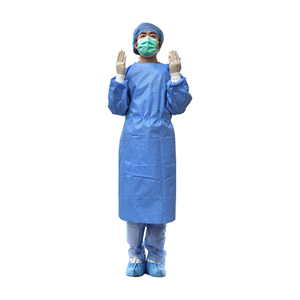
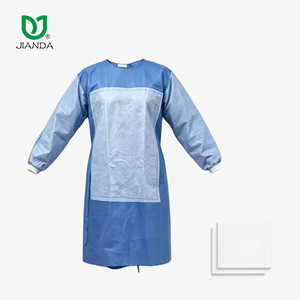
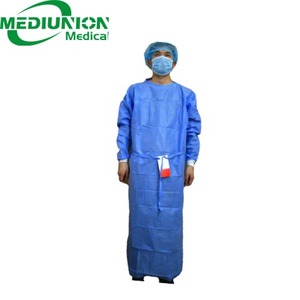
Direct factory supply of AAMI Level 2–4 sterile gowns, liquid-impermeable drapes, and specialized surgical packs compliant with EN 13795 and EU Regulation 2017/745.
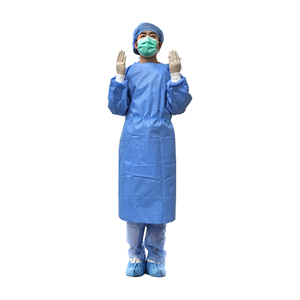
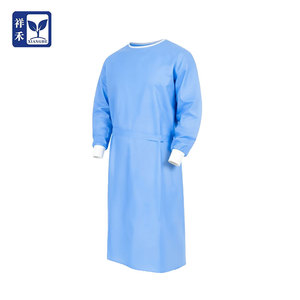
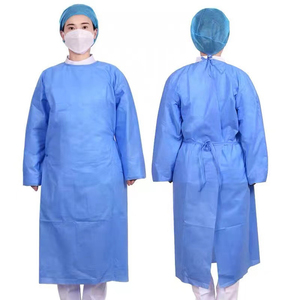

An authoritative report on reducing surgical site infections (SSIs), streamlining procurement under OKFŐ mandates, and improving turnover times across Central European operating theaters.
Information Gain Insight: Hospital cost-containment models in Hungary are rapidly shifting from individual component purchasing to unified Customized Surgical Procedure Packs (CPTs). Standardizing perioperative kits reduces operating room setup duration by up to 42%, minimizes sterilised packaging waste, and eliminates up to 98% of component pick errors in high-acuity surgical procedures.
The centralized medical procurement framework directed by the National Healthcare Service Center (Országos Kórházi Főigazgatóság - OKFŐ) places stringent demands on public hospitals across Budapest, Debrecen, Szeged, and Pécs. Facilities face dual challenges: controlling perioperative expenditure while maintaining complete compliance with European Union Medical Device Regulation (EU MDR 2017/745).
Surgeine Healthcare provides Hungarian healthcare institutions and regional distributor networks direct access to an original equipment manufacturer (OEM) capable of engineering procedure packs to exact clinical preferences, ensuring full compliance with EN 13795 microbial tightness and AAMI PB70 barrier criteria.
Operating dedicated manufacturing facilities commissioned specifically for procedure pack integration, Surgeine operates Class 100,000 (ISO Class 8) and Class 10,000 cleanrooms. Having maintained continuous CE marking since 2008 and updated to EU MDR 2017/745 certification in 2024, our quality system is independently audited under ISO 13485:2016.
Tailored component configurations designed for high-volume regional clinical needs across Hungarian public and private surgical centers.
Primary Setting: Major regional teaching hospitals (e.g., Semmelweis University Orthopedic Clinic, University of Debrecen Clinical Center).
Scenario Need: High fluid exposure, heavy irrigation during hip and knee arthroplasty requiring AAMI Level 4 fluid barrier security.
Primary Setting: Specialized cardiac care units (e.g., Gottsegen György National Cardiovascular Institute, Budapest).
Scenario Need: Extended surgical durations with stringent microbial barrier requirements to protect bypass graft sites.
Primary Setting: Maternity departments across Hungarian municipal hospitals and private maternity clinics.
Scenario Need: Rapid emergency setup times for Caesarean deliveries with high fluid volumes and delicate newborn handling requirements.
A technical guide for Hungarian hospital procurement managers selecting appropriate barrier performance for specialty surgical packs.
| Barrier Standard | Hydrostatic Pressure (AATCC 127) | Impact Penetration (AATCC 42) | Microbial / Viral Penetration | Recommended Hungarian OR Application |
|---|---|---|---|---|
| AAMI Level 1 | ≥ 20 cm H2O | ≤ 4.5 g | Not Tested | Basic examination, minor outpatient procedures, isolation unit visitors |
| AAMI Level 2 | ≥ 50 cm H2O | ≤ 1.0 g | Microbial Barrier Compliant | Ophthalmology (cataract), simple ENT, superficial skin lesion excisions |
| AAMI Level 3 | ≥ 50 cm H2O | ≤ 1.0 g | Resists Liquid Penetration | General abdominal surgery, laparoscopy, standard urology, open hernia repair |
| AAMI Level 4 / EN 13795 High Performance | ≥ 100 cm H2O | 0.0 g (No penetration) | ASTM F1671 (Viral Penetration Resistant) | Total joint arthroplasty, trauma, open heart surgery, organ transplantation |
Analysis of emerging regulatory, operational, and sustainability trends impacting medical purchasing decisions in Hungary.
The transition period for EU MDR has made conformity documentation the primary hurdle for Hungarian importers. Hospitals can no longer accept legacy CE certificates without comprehensive technical files, clinical evaluations, and post-market surveillance plans. Surgeine's updated 2024 EU MDR certification guarantees uninterrupted supply continuity for Hungarian distributors during public tender audits.
Hungarian health authorities are placing increased weight on environmental footprint metrics. Standard CPTs eliminate individual component packaging, reducing clinical plastic waste by up to 30%. Furthermore, Surgeine’s custom pack right-sizing ensures hospitals only purchase and unwrap the exact components required for a given protocol—eliminating the disposal of unused pre-packed items.
Vertical integration, proprietary cleanroom technology, and dedicated OEM support for European medical equipment brands.
Since 2017, Surgeine has operated specialized hotmelt lamination lines, creating multi-layer non-woven barrier fabrics (SMMS, SMMMS, PE-reinforced non-wovens) that offer maximum liquid resistance with optimal air permeability for surgeon comfort.
As the first manufacturer in India to produce single-use Chlorhexidine Gluconate (CHG) applicators, swab sticks, and scrub brushes, Surgeine can integrate pre-operative skin prep directly into your custom surgical procedure packs.
We support European distributors with full OEM packaging services, including dual-language artwork adaptation (Hungarian/English), custom GTIN barcoding, outer carton optimization, and complete technical dossier sharing for local regulatory submission.
Addressing common technical, regulatory, and supply chain queries regarding procedure pack delivery to Hungary.
Yes. Our customized surgical procedure packs meet all clinical and regulatory specifications mandated by the Hungarian National Healthcare Service Center (OKFŐ). Products are manufactured in ISO 13485:2016 certified facilities, carry CE marking under EU MDR 2017/745, and comply with EN 13795 standards for surgical clothing and drapes.
Upon receiving your surgical component list (bill of materials) and drape dimensional requirements, our engineering team creates a technical specification drawing and sample pack within 7 to 10 working days. Sterile sample kits are then dispatched directly to your clinical evaluation team in Hungary for trial and approval.
Yes. In accordance with EU MDR labeling requirements, all primary pouch artwork, tray labels, outer carton labels, and Instructions for Use (IFU) can be printed with dual Hungarian (Magyar) and English medical nomenclature, including standardized ISO 15223-1 symbols.
Every lot shipped to Hungary includes a comprehensive Certificate of Sterilization (Ethylene Oxide per EN ISO 11135), bioburden test results, EO residual analysis reports (EN ISO 10993-7), and a Declaration of Conformity tied directly to your batch numbers for audit verification.
Because we operate dedicated pack assembly lines, we maintain flexible MOQs tailored to regional Hungarian hospital distributors. While standard packs have low minimums, custom CPT orders are optimized to container loads or pallet quantities to minimize freight costs per unit.
Speak directly with our export engineering specialists to configure sterile procedure packs, review EU MDR technical dossiers, or request sample kits for clinical evaluation.