
Direct factory supply for Nagoya hospitals, clinical distributors, and healthcare group purchasing organizations (GPOs).
An authoritative operational guide for hospital materials managers, procurement directors, and clinical supply chain executives across Aichi Prefecture.
Strategic Context for Aichi Procurement Networks: Nagoya stands as the clinical and biomedical epicenter of Japan’s Chubu region. With major university hospital systems—such as Nagoya University Hospital, Nagoya City University Hospital, and Aichi Medical University—demanding uncompromised infection prevention and zero skin-tearing medical adhesives, securing high-performance fixation and stabilization devices from accredited OEM/ODM manufacturers in China has become a primary driver for supply chain resilience and cost optimization.
In Nagoya’s high-volume ICUs and emergency trauma centers, accidental tube dislodgement or catheter migration poses severe clinical risks. China-manufactured catheter stabilization devices feature engineered hydrocolloid bases, silicone-coated anchoring tabs, and mechanical locks designed specifically for central venous catheters (CVC), peripherally inserted central catheters (PICC), and arterial lines.
Operating theaters in Nagoya require specialized endotracheal tube (ETT) holders and nasogastric tube fixators during prolonged anesthesia. China wholesale manufacturing lines deliver standardized, sterile-packaged ETT securement clamps with bite-block protection, preventing accidental extubation during complex neurosurgical or thoracic procedures.
Given Japan’s demographic landscape, Nagoya’s extensive network of nursing facilities and rehabilitation centers demands gentle, long-wear Foley catheter securing straps and IV line anchors. Advanced non-irritating materials minimize Medical Adhesive-Related Skin Injuries (MARSI) among elderly patients with fragile epidermal tissue.
Comparative analysis of material specifications, barrier standard classifications, and clinical performance parameters engineered for direct factory export to Nagoya.
| Device / Category Type | Primary Material Construction | Adhesive / Barrier Technology | Regulatory Compliance | Primary Clinical Application |
|---|---|---|---|---|
| PICC / CVC Fixation Device | Medical-grade ABS / Polyurethane film | Hypoallergenic Hydrocolloid / Silicone | ISO 13485, CE MDR, PMDA Ready | Vascular Access Securement & Anti-Migration |
| Endotracheal Tube Holder | Soft foam strap + Ergonomic clamp | Skin-safe Velcro / Non-irritating web | AAMI PB70, ISO 10993 Biocompatible | OR Airway Management & Emergency Care |
| Foley Catheter Securement | Elastic woven strap + Locking channel | Breathable micro-porous pressure pad | CE Class I / FDA registered | Urological Drainage Line Stabilization |
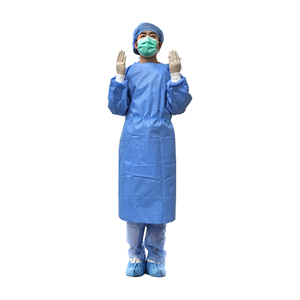
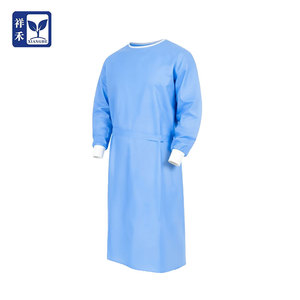
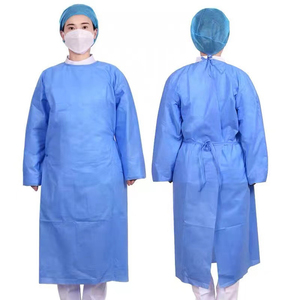
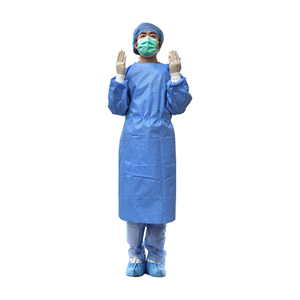
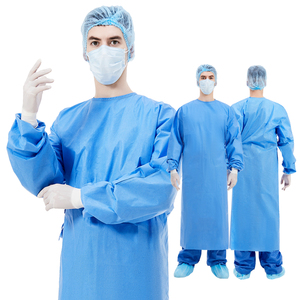
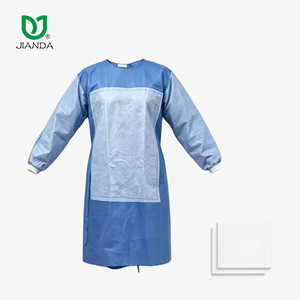
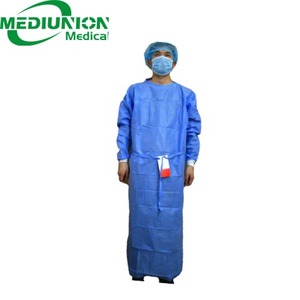
| Reinforced Surgical Gown | SMMS / SMS Polypropylene (35-45 gsm) | Fluid-impermeable hotmelt lamination | AAMI Level 3 & Level 4 / EN 13795 | High-Fluid Operating Room Procedures |
| Sterile Surgical Drapes | Non-Woven PE Film / Absorbent Viscose | Biocompatible medical adhesive border | EN 13795, ISO 11607 Packaging | Infection Control & Sterile Field Creation |
Understanding how Nagoya procurement directors optimize supply chains while upholding stringent Japanese quality standards.
Historically, Japanese hospitals relied exclusively on domestic trading companies (Shosha). However, healthcare budget restructuring in Aichi Prefecture has accelerated direct contract manufacturing and private-label procurement from high-tech Chinese factories. By working directly with factories possessing dedicated cleanrooms, Nagoya distributors achieve 30% to 45% cost savings without sacrificing material specs.
Medical device importers serving Nagoya must comply with Japan’s Pharmaceuticals and Medical Devices Agency (PMDA) regulations under the PMD Act (Yakuji-ho). Leading Chinese manufacturers now support Japanese partners by providing full Technical Master Files, ISO 13485 audit logs, biological evaluation reports (ISO 10993), and sterilization validation (ISO 11135 for EO sterilization).
To reduce OR setup time and eliminate clinical waste, Nagoya surgical centers increasingly demand customized surgical procedure packs (CPTs). Combining fixation devices, sterile drapes, AAMI Level 4 gowns, and CHG skin prep applicators into single-use, standardized packs optimizes hospital logistics and minimizes cross-contamination risks.
Nagoya’s Port of Nagoya provides direct, rapid maritime freight connectivity to major eastern Chinese shipping hubs (Ningbo, Shanghai, Qingdao). Transit times as short as 3 to 5 days enable Nagoya healthcare networks to maintain lean safety stock levels while mitigating global supply disruption vulnerabilities.

Operating since 2002, our manufacturing complex integrates four specialized production units designed explicitly for infection prevention and clinical securement devices.

We provide end-to-end support for Japanese medical equipment companies, GPOs, and hospital suppliers seeking customized branded products.
Detailed answers covering regulatory, logistics, engineering, and quality assurance topics for Japanese buyers.
Our medical fixation devices and sterile disposables are manufactured under ISO 13485:2016 quality management systems. We provide complete technical documentation packages—including ISO 10993 biocompatibility testing (cytotoxicity, sensitization, and intracutaneous reactivity), EO sterilization validation (ISO 11135), and shelf-life stability data. This data assists Japanese Foreign Medical Device Manufacturers (FMDM) and local Marketing Authorization Holders (MAH) in completing PMDA notifications smoothly.
Yes. We offer complete OEM customization. Nagoya medical buyers can specify adhesive formulations (gentle silicone for pediatrics/geriatrics vs. long-wear hydrocolloid for ICU patients), plastic clip dimensions, strap lengths, and packaging formats (single sterile pouch vs. bulk pack for procedure kit insertion).
Direct ocean container routes from Shanghai or Ningbo ports to the Port of Nagoya typically take between 3 to 5 transit days. Including export customs clearance and terminal handling, total port-to-door lead times are exceptionally short, allowing Nagoya distributors to optimize inventory turnaround and reduce warehousing overhead.
Our research and development team utilizes medical-grade, pressure-sensitive silicone adhesives engineered to distribute shear stress evenly. These adhesives bond securely to skin without stripping the stratum corneum upon removal, making them ideal for elderly or compromised skin frequently treated in Nagoya hospitals.
Our disposable surgical gowns are certified against AAMI PB70 standard (Levels 2, 3, and 4) as well as European standard EN 13795. For high-fluid orthopedic or cardiovascular procedures in Nagoya operating rooms, our AAMI Level 4 reinforced gowns feature liquid-impermeable ultrasonic seam welding that blocks bloodborne pathogens, viral penetration (ASTM F1671), and fluid impact under pressure.
Absolutely. We regularly provide sterile evaluation samples and technical datasheets to hospital procurement teams and distributors in Aichi Prefecture. Clinical trials allow nursing staff and surgeons to evaluate adhesive hold, comfort, breathability, and ease of removal prior to full volume contracting.
Every manufacturing batch undergoes comprehensive testing in our internal laboratories. We evaluate peel strength, tensile resistance, fluid barrier integrity, and particle linting. Each shipped lot includes a Certificate of Analysis (CoA) linked to fully traceable raw material lot numbers and sterilization records.
Simply click the "Send an Inquiry" button anywhere on this page. Our international sales engineering team will respond within 12 hours to review your product specifications, target order volume, packaging preferences, and Nagoya delivery timelines.
Partner directly with China’s premier ISO 13485 & CE MDR certified medical manufacturer. High barrier protection, skin-safe fixation tech, and competitive wholesale pricing delivered straight to Chubu region medical hubs.
Send an Inquiry