
ISO 13485 & CE MDR 2017/745 Certified Sterile Barriers for High-Fluid Operating Theatre Safety
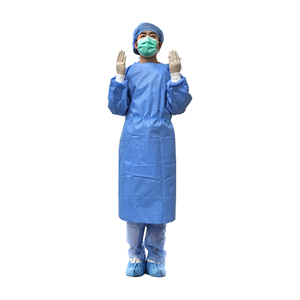
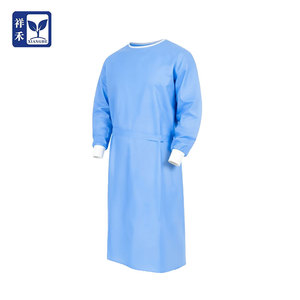
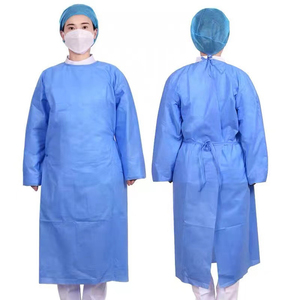
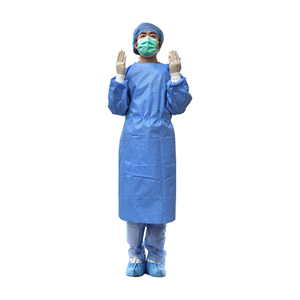

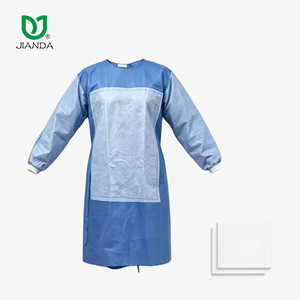
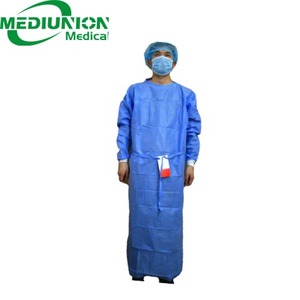
Setting the standard in surgical barrier performance, perioperative infection prevention, and international clinical compliance since 2002.
Our facilities operate under a full ISO 13485:2016 Quality Management System. We hold uninterrupted CE marking since 2008, updated to the stringent EU MDR 2017/745 framework in 2024, complemented by SFDA, BIS, and ZED Gold recognitions.
Every lot of surgical drapes and gowns undergoes empirical validation in our ISO-accredited testing lab. We continuously verify hydrostatic head pressure, water impact penetration (AAMI PB70), tensile bursting strength, and low-linting performance (EN 13795).
Recognized as a Star Export House, Surgeine supplies hospital networks, B2B distributors, and procurement groups across 25+ countries across 5 continents, offering full packaging artwork localization, IFUs, and dossier registration support.
In contemporary perioperative environments, the primary function of a surgical drape extends far beyond basic patient coverage. It serves as an active biological containment shield designed to arrest the fluid-borne translocation of microorganisms between non-sterile and sterile zones. Hospital-Acquired Infections (HAIs), specifically Surgical Site Infections (SSIs), constitute one of the most critical challenges facing surgical care providers globally. The selection of high-performance surgical drapes engineered with precise material science is the frontline defense against pathogen cross-contamination.
The core barrier performance of Surgeine surgical drapes relies on advanced non-woven polymer engineering. Our manufacturing lines utilize multi-layer composite structures that harmonize fluid impermeability with operational comfort:
Clinical Insight: Hydrostatic head pressure resistance measuring > 50 cm H₂O combined with an impact penetration value of < 1.0g (according to AAMI PB70 testing) is vital for procedures involving continuous fluid irrigation to guarantee absolute barrier protection for surgical teams.
Standard drapes often suffer from liquid runoff, causing pool formation on the operating room floor and increasing contamination risks. Advanced surgical drapes engineered by Surgeine incorporate localized fluid management technologies:
Healthcare procurement officers must align drape specifications with international barrier standards. Below is a comparative technical matrix for selecting appropriate protection levels based on procedure risk profile:
| AAMI Level | Hydrostatic Head (AATCC 127) | Impact Penetration (AATCC 42) | EN 13795 Microbial Penetration | Recommended Surgical Applications |
|---|---|---|---|---|
| Level 1 | ≥ 20 cm H₂O | ≤ 4.5 g | Standard Performance (Dry) | Minor outpatient procedures, biopsy, basic wound dressing |
| Level 2 | ≥ 50 cm H₂O | ≤ 1.0 g | Standard Performance (Wet & Dry) | Tonsillectomy, hernia repair, minimal fluid general surgery |
| Level 3 | ≥ 50 cm H₂O | ≤ 1.0 g | High Performance (Standard Exposure) | Laparoscopic surgery, open cholecystectomy, chest surgery |
| Level 4 | ≥ 140 cm H₂O (ASTM F1671 Viral) | 0.0 g (No Penetration) | High Performance (Critical Zone Impervious) | Total joint replacement, trauma, C-section, cardiac bypass |
Next-Generation Materials, Eco-Responsible Polymers, and Smart Intraoperative Technologies
The historical reliance on single-use fossil-fuel polymers is undergoing a paradigm shift. Future drape manufacturing prioritizes bio-based polypropylene derived from renewable feedstocks and mono-material constructions. By utilizing 100% recyclable polyolefin blends, modern drape manufacturers reduce carbon footprints without compromising barrier sterility or fluid resistance.
Future sterile drapes are transitioning from passive physical barriers to active pathogen-neutralizing surfaces. Emerging technologies integrate non-leaching organosilane quaternary ammonium compounds or silver/copper nanoparticles directly into the meltblown matrix. This active barrier continuously kills bacteria upon surface contact, suppressing biofilms around surgical incisions.
Stitching or traditional glued seams present micro-porosity risks under high tension. The future of manufacturing relies entirely on continuous 35kHz ultrasonic seam welding. Ultrasonic sealing produces hermetically bonded fluid channels, custom-contoured draping apertures, and lightweight structures that minimize drape application time in emergency OR settings.
As operating rooms become increasingly digitalized, drape designs are evolving to integrate anti-glare instrument routing channels, fiber-optic cable organizers, and printed moisture sensors. Future smart drapes will provide real-time alerts to surgical technicians when liquid saturation approaches critical volume limits near non-sterile equipment zones.
Navigating Supply Chain Resilience, Standardization, and EU MDR Regulatory Shifts
Global Group Purchasing Organizations (GPOs) and hospital supply networks are rapidly abandoning the procurement of standalone surgical drapes, gowns, and accessories. Procurement strategies now heavily favor Customized Procedure Packs (CPTs). Kitting surgical drapes with matching AAMI Level 4 gowns, prep applicators, equipment covers, and waste bags into a single sterile pack offers demonstrable benefits:
Recent global supply chain disruptions underscored the danger of single-source procurement models. Forward-thinking healthcare systems are enacting dual-sourcing directives (e.g., 60/40 allocation). Established manufacturers in India—such as Surgeine Healthcare—holding verified ISO 13485 and EU MDR credentials have become strategic production hubs for European, Middle Eastern, and American distributors seeking high-capacity, cost-effective, non-China manufacturing partners.
Under the EU MDR regulatory framework, regulatory authorities no longer accept self-declarations for Class I sterile devices without rigorous Notified Body oversight. Importers and hospital tenders now mandate comprehensive technical documentation: verified EtO sterilization residual reports (ISO 11135), biocompatibility cytotoxicity data (ISO 10993), real-time shelf-life stability studies, and robust clinical evaluation reports (CER). Sourcing from manufacturers with fully documented CE MDR certification eliminates legal and supply interruption risks.
Expert Answers for Medical Purchasing Directors, B2B Importers, and Clinical Lead Officers
Surgeine Healthcare operates an ISO 13485:2016 certified Quality Management System. Our products carry CE marking maintained continuously since 2008, updated under the strict EU MDR 2017/745 regulation in 2024. Furthermore, we hold BIS certification, SFDA registrations, and Star Export House status. Technical files, biocompatibility test results, and Declarations of Conformity (DoC) are available for all B2B partner audits.
Yes. We operate a dedicated, state-of-the-art procedure pack manufacturing unit commissioned in 2023 specifically for OEM and private-label customization. Component lists, drape dimensions, aperture shape, fluid collection pouch capacities, gown barrier levels (AAMI Level 2 to 4), folding sequence, layout orientation, and multi-language packaging artwork can be customized to match your facility's exact tender specs.
Manufacturing occurs in ISO Class 8 (Class 100,000) and ISO Class 7 cleanrooms. Sterilization is executed via validated Ethylene Oxide (EtO) cycles compliant with ISO 11135, verifying a Sterility Assurance Level (SAL) of 10⁻⁶. Our non-woven fabrics undergo Gelbo Flex lint testing per EN 13795 to guarantee low particle generation, protecting surgical wounds from foreign-body reactions.
For high-volume irrigation surgeries such as Total Knee/Hip Arthroplasty, Trauma, or C-Sections, we strongly advise AAMI Level 4 / EN 13795 High Performance Impervious drapes and reinforced gowns. For low-fluid, short-duration general surgery, AAMI Level 2 or 3 SMS drapes offer an optimal balance of protection, breathability, and cost efficiency.
Standard export production lead time is 3 to 4 weeks upon artwork approval and contract finalization. MOQs vary by SKU configuration (typically 5,000 units for customized drapes/packs and 10,000 units for standard gowns). We offer consolidated container shipments and sample packs for clinical validation prior to full commercial runs.
Optimize your hospital network supply chain or expand your medical distribution portfolio with CE MDR & ISO 13485 certified surgical drapes, gowns, and procedure packs.