
Explore our clinical-grade wound dressing matrices and sterile disposable gowns. As a leading OEM/ODM exporter, all products adhere to stringent international barrier and absorption standards.
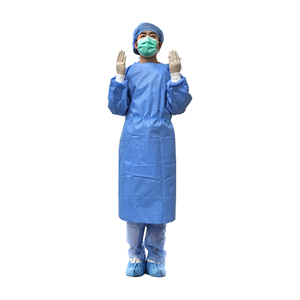
High-fluid resistance SMMS multi-layer non-woven gown designed for operating room doctors with maximum fluid barrier integrity.
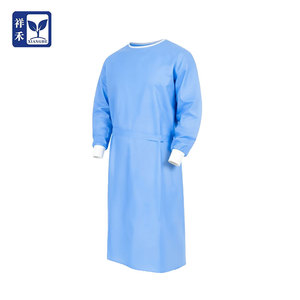
Factory direct operating room surgical gown featuring ethylene oxide gas sterilization, ultra-low linting, and high tensile strength.
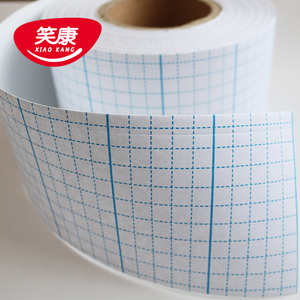
Premium medical non-woven material suitable for wound dressing fixation, surgical draping, and barrier protection in cleanrooms.
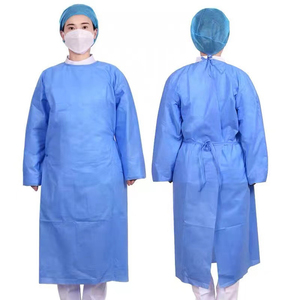
Cost-effective bulk protection gowns for hospital procurement, emergency care, and long-term care facilities with comfortable breathability.
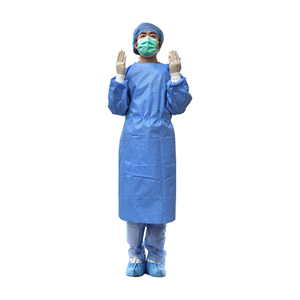
Critical zone reinforced protection gown designed for fluid-heavy orthopedic and cardiovascular surgeries requiring maximum safety.

Laminated PP+PE composite material engineered for complete fluid barrier protection in clinical examination and laboratory environments.
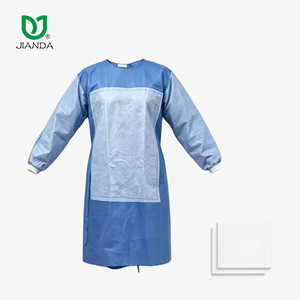
Ergonomically cut SMS gown with adjustable neck closure and ultrasonic seam welding to guarantee zero fluid penetration points.
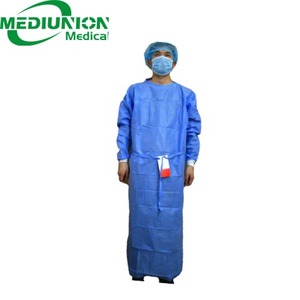
Precision-manufactured SMS gown with ultrasonic sealed seams, providing ideal balance between wearer comfort and barrier defense.
Hydrocolloid dressings represent a core pillar of modern moist wound healing theory. Engineered through the integration of sodium carboxymethylcellulose (CMC) particles into a cohesive elastomeric adhesive matrix, hydrocolloid technology creates an optimal physiological environment for tissue regeneration.
When applied to an exuding wound, the hydrocolloid matrix absorbs wound fluid, triggering the sodium carboxymethylcellulose (CMC) polymers to swell and form a soft, hydrophilic gel. This gel maintains a moist microclimate that accelerates epithelialization, promotes autolytic debridement, and insulates the wound bed against thermal drop and mechanical trauma.
The exterior surface of professional hydrocolloid dressings consists of a semi-permeable polyurethane film or foam backing. This layer balances Moisture Vapor Transmission Rate (MVTR) with absolute liquid and bacterial barrier performance, preventing exogenous pathogens—including Methicillin-resistant Staphylococcus aureus (MRSA)—from entering the wound site.
Backed by over 23 years of specialized medical device manufacturing, our production footprint encompasses state-of-the-art cleanrooms, automated hot-melt lamination lines, and extensive quality assurance protocols.
Our quality management system is rigorously audited under ISO 13485:2016. Product lines maintain CE marking under EU MDR (Regulation 2017/745), ensuring seamless regulatory compliance for importers across Europe, North America, and APAC.
Manufacturing operates within controlled ISO Class 8 (Class 100,000) cleanrooms. Automated die-cutting, matrix coating, and primary packaging are conducted under strict bioburden control to guarantee zero particulate contamination.
We support global brands, GPOs, and hospital chains with custom dressing dimensions, border shapes (sacral, heel, square), hydrocolloid density, thickness (0.3mm ultra-thin to 2.0mm standard), and localized packaging artwork.
Select the correct dressing chemistry based on clinical indication, exudate volume, and wear-time requirements. The table below outlines key technical metrics for hospital procurement managers.
| Dressing Category | Primary Matrix Composition | Exudate Absorption Capacity | MVTR Performance | Optimal Wear Time | Primary Clinical Indications |
|---|---|---|---|---|---|
| Hydrocolloid Dressing (Standard) | Sodium CMC + Synthetic Elastomer | Moderate (3x – 6x dry weight) | Moderate (800–1200 g/m²/24h) | 3 to 7 Days | Pressure ulcers (Stage I–II), venous leg ulcers, superficial burns, donor sites. |
| Hydrocolloid Thin / Extra Thin | Low-Density Hydrocolloid Matrix | Low (1x – 3x dry weight) | High (1500–2200 g/m²/24h) | 3 to 5 Days | Post-operative surgical incisions, superficial abrasions, friction protection. |
| Polyurethane Foam Dressing | Hydrophilic Open-Cell PU Foam | High (8x – 14x dry weight) | Very High (2500+ g/m²/24h) | 3 to 7 Days | Heavily exuding wounds, diabetic foot ulcers, cavity wounds under compression. |
| Calcium Alginate Dressing | Natural Seaweed Guluronate Fibers | Very High (15x – 20x dry weight) | N/A (Requires Secondary Dressing) | 1 to 3 Days | Bleeding wounds, tunnelled cavity wounds, infected sloughy ulcerations. |
| Transparent PU Film | Acrylic Adhesive Polyurethane Film | Zero (Non-absorbent) | High (1800–3000 g/m²/24h) | 5 to 7 Days | IV catheter securing, primary skin protection against shear and moisture. |
The global advanced wound care market is projected to expand significantly by 2030. Healthcare buyers must align procurement strategies with emerging regulatory standards, material innovations, and eco-friendly manufacturing.
Next-generation hydrocolloid dressings incorporate embedded colorimetric pH indicators and bio-chemical markers. As wound exudate shifts from acidic (healing phase) to alkaline (bacterial infection phase), the dressing matrix alters color without requiring dress removal. This diagnostic integration reduces unnecessary dressing changes, cuts nursing labor costs, and alerts clinicians to early-stage surgical site infections (SSIs).
With the rise of antimicrobial resistance (AMR), B2B hospital buyers are increasingly requesting hydrocolloid dressings infused with ionic silver ($Ag^+$) or medical-grade Manuka honey formulations. Ionic silver hydrocolloids provide sustained, broad-spectrum microbial kill rates over a 7-day wear cycle without risking systemic toxicity, satisfying stringent European infection control protocols.
Sustainability mandate in public healthcare tenders (such as NHS net-zero goals) is accelerating demand for bio-degradable backing materials. Manufacturers are replacing traditional petroleum-derived polyurethane films with plant-derived PLA (polylactic acid) and bio-based thermoplastic elastomeric layers. These eco-friendly matrices maintain moisture vapor performance while reducing incineration emissions.
Global medical distributors are shifting from fragmented single-item suppliers to vertically integrated OEM partners capable of supplying complete surgical packs, sterile gowns, and advanced wound dressings under a single ISO 13485 audit umbrella. Consolidating procurement improves volume pricing leverage, simplifies customs documentation, and ensures consistent quality control.
Common technical, regulatory, and commercial inquiries addressed by our international sales engineering team.
Our standard MOQ for private-label hydrocolloid dressings ranges from 10,000 to 30,000 units depending on the dressing dimensions (e.g., 5x5cm, 10x10cm, 15x15cm, or specialized sacral shapes) and packaging specifications. Lead time for initial OEM orders—including artwork approval and die-cut setup—is typically 3 to 4 weeks. Repeat orders ship within 14 to 21 business days.
Hydrocolloid dressings are sterilized using validated Gamma Irradiation (Co-60) or Ethylene Oxide (EO) gas processes, adhering to ISO 11137 and ISO 11135 standards. Our products carry a validated 3-year to 5-year shelf-life, supported by accelerated and real-time stability testing reports provided in the technical file for import registration.
Standard hydrocolloid dressings create an occlusive environment and are contraindicated for clinically active, heavily infected wounds unless combined with an antimicrobial agent under medical supervision. For infected or high-bioburden wounds, we recommend our Ionic Silver Hydrocolloid or Calcium Alginate lines, which actively combat microbial growth while absorbing exudate.
Our dedicated regulatory affairs division supplies comprehensive registration dossiers, including ISO 13485:2016 certificates, EU MDR Declarations of Conformity, Free Sale Certificates (FSC), Biocompatibility Test Reports (ISO 10993: Cytotoxicity, Sensitization, Irritation), and packaging sterilization validation summaries required by FDA, SFDA, MHRA, or local ministries of health.
Yes. We offer customizable adhesive hydrocolloid matrices tailored for fragile neonatal or geriatric skin, featuring low-tack removal dynamics to prevent skin stripping. Additionally, hydrocolloid density and thickness can be adjusted to optimize performance in tropical high-humidity climates or under heavy compression therapy.
Partner with an established ISO 13485 certified manufacturer. Download our comprehensive product catalog, request free sample kits, or consult with our OEM medical sales team today.