
Engineered in ISO Class 7 and Class 8 cleanroom environments to deliver zero-strike-through fluid control and verified microbial barrier protection for high-acuity operating theaters globally.
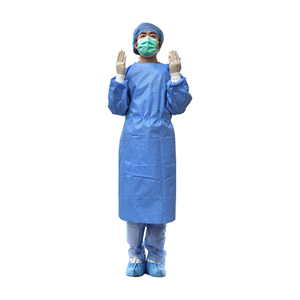

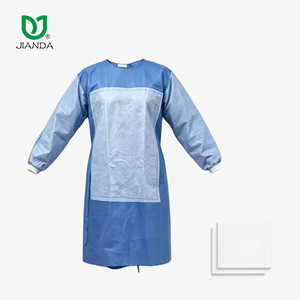
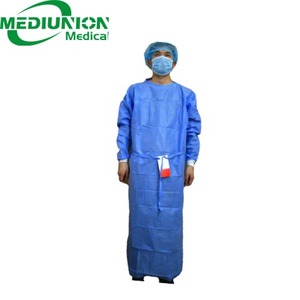
Underlined by decades of continuous cleanroom manufacturing, automated hotmelt lamination, and rigorous quality assurance protocols.
A detailed analysis of technical capabilities, regulatory compliance frameworks, and production scalability required by healthcare systems and international distributors.
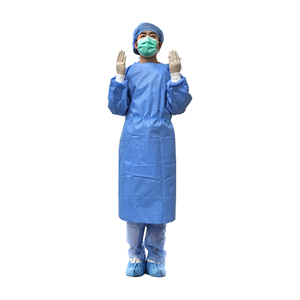
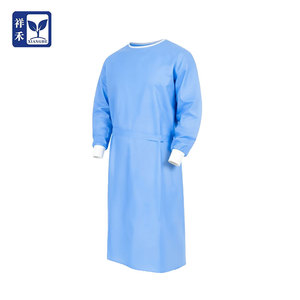
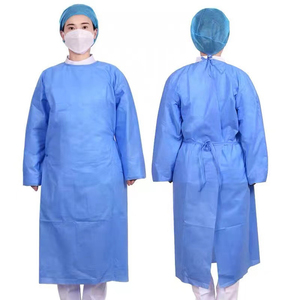
In modern hospital surgical suites, efficiency, infection prevention, and cost-containment are inextricably linked. Customized Procedure Packs—also known as Custom Procedure Trays (CPTs)—have evolved from basic convenient convenience kits into vital strategic clinical tools. By bundling procedure-specific single-use components (such as AAMI Level 2-4 surgical gowns, sterile fenestrated drapes, CHG skin prep applicators, Mayo stand covers, and fluid collection pouches) into a single sterile barrier system, healthcare facilities dramatically optimize operating room (OR) turnaround times, mitigate human error during setup, and reduce waste.
However, the global manufacturing landscape for custom procedure packs is highly fragmented. Navigating OEM suppliers requires a thorough understanding of cleanroom infrastructure, automated hotmelt lamination capabilities, Ethylene Oxide (EO) sterilization validation standards (ISO 11135), and international regulatory barrier requirements (ANSI/AAMI PB70 and EN 13795). Leading manufacturers must possess vertically integrated production processes to ensure batch-to-batch consistency and complete supply chain transparency.
Key Sourcing Takeaway: Tier-1 procedure pack exporters are defined not merely by assembly volume, but by their internal microbiological testing capabilities, in-house packaging lamination, and regulatory compliance portfolios under stringent regulatory regimes like the European Union Medical Device Regulation (EU MDR 2017/745).
When procurement heads and Group Purchasing Organizations (GPOs) audit global factories for custom procedure pack sourcing, the following technical vectors dictate long-term operational success:
Key technological, environmental, and regulatory shifts shaping the next decade of surgical kit manufacturing and global export logistics.
Hospitals are transitioning from purchasing individual SKUs to buying fully procedure-specific kit systems. By standardizing component trays for procedures such as Total Knee Arthroplasty (TKA), Coronary Artery Bypass Grafting (CABG), and C-Sections, healthcare systems cut setup times by up to 40% and eliminate individual item opening waste.
The global standard is shifting away from traditional spunlace non-wovens toward multi-layer SMMS (Spunbond-Meltblown-Meltblown-Spunbond) technology. Meltblown layers act as a high-efficiency micro-porous barrier against microbes and blood-borne pathogens, while spunbond layers offer exceptional tensile strength and low-linting performance.
The phase-out of the old MDD framework in Europe has established an ultra-rigorous baseline. Leading exporters now maintain extensive Technical Documentation (TD), Clinical Evaluation Reports (CER), and Post-Market Surveillance (PMS) systems to guarantee continuous market compliance for Class I sterile packs.
With medical waste under global regulatory scrutiny, procedure pack factories are re-engineering primary and secondary packaging. Innovations include thinner yet tear-resistant peelable pouches, down-gauged thermoformed trays, and optimized box dimensions that maximize ocean freight container loading capacity.
Modern procedure packs increasingly integrate immediate perioperative skin preparation components, such as single-use Chlorhexidine Gluconate (CHG) applicators and swab sticks directly into the sterile field layout to mandate preoperative antisepsis protocols before surgical incision.
Global distributors are bypassing traditional intermediaries to collaborate directly with vertically integrated factories. This direct model enables customized folding sequences, localized multi-language IFUs (Instructions for Use), and tailored barcode labeling compliant with UDI (Unique Device Identification) standards.
A guide for clinical procurement specialists to align surgical gown and drape performance levels with procedural risk profiles.
| AAMI PB70 Level | Fluid Exposure Risk | Hydrostatic Head (AATCC 127) | Impact Penetration (AATCC 42) | Viral Resistance (ASTM F1671) | Clinical Applications |
|---|---|---|---|---|---|
| Level 1 | Minimal Contact | ≥ 20 cm H₂O | ≤ 4.5 g | Not Required | Basic clinical care, standard isolation, non-invasive OPD procedures |
| Level 2 | Low Risk Fluid Contact | ≥ 50 cm H₂O | ≤ 1.0 g | Not Required | Diagnostic procedures, simple suturing, tonsillectomy, minor dermatology |
| Level 3 | Moderate Risk Fluid Exposure | ≥ 50 cm H₂O | ≤ 1.0 g | Not Required | General abdominal surgery, laparoscopy, arthroscopy, ENT procedures |
| Level 4 | High Risk / Prolonged Fluids | ≥ 100 cm H₂O | ≤ 1.0 g | Passes (Zero Penetration) | Total joint arthroplasty, cardiovascular surgery, trauma, cesarean section |
* Note: EN 13795 standard additionally evaluates linting resistance, particle emission, burst strength (dry and wet), and tensile strength across standard and high-performance surgical zones.
Engineered for absolute reliability, our manufacturing footprint provides seamless end-to-end OEM and private-label contract manufacturing.
Founded in 2002, our manufacturing operational model centers on a single mission: safeguarding the sterile field. Spanning four advanced manufacturing units—including a dedicated facility for customized procedure packs commissioned in 2023—our infrastructure operates under strict ISO 13485:2016 Quality Management Systems.
We take pride in our historical industry firsts within the surgical disposables sector, continuously elevating standards for cleanroom output, hotmelt lamination, and automated packaging.
Every shipment is backed by verified regulatory technical files, declarations of conformity, and batch sterilisation assurance protocols.
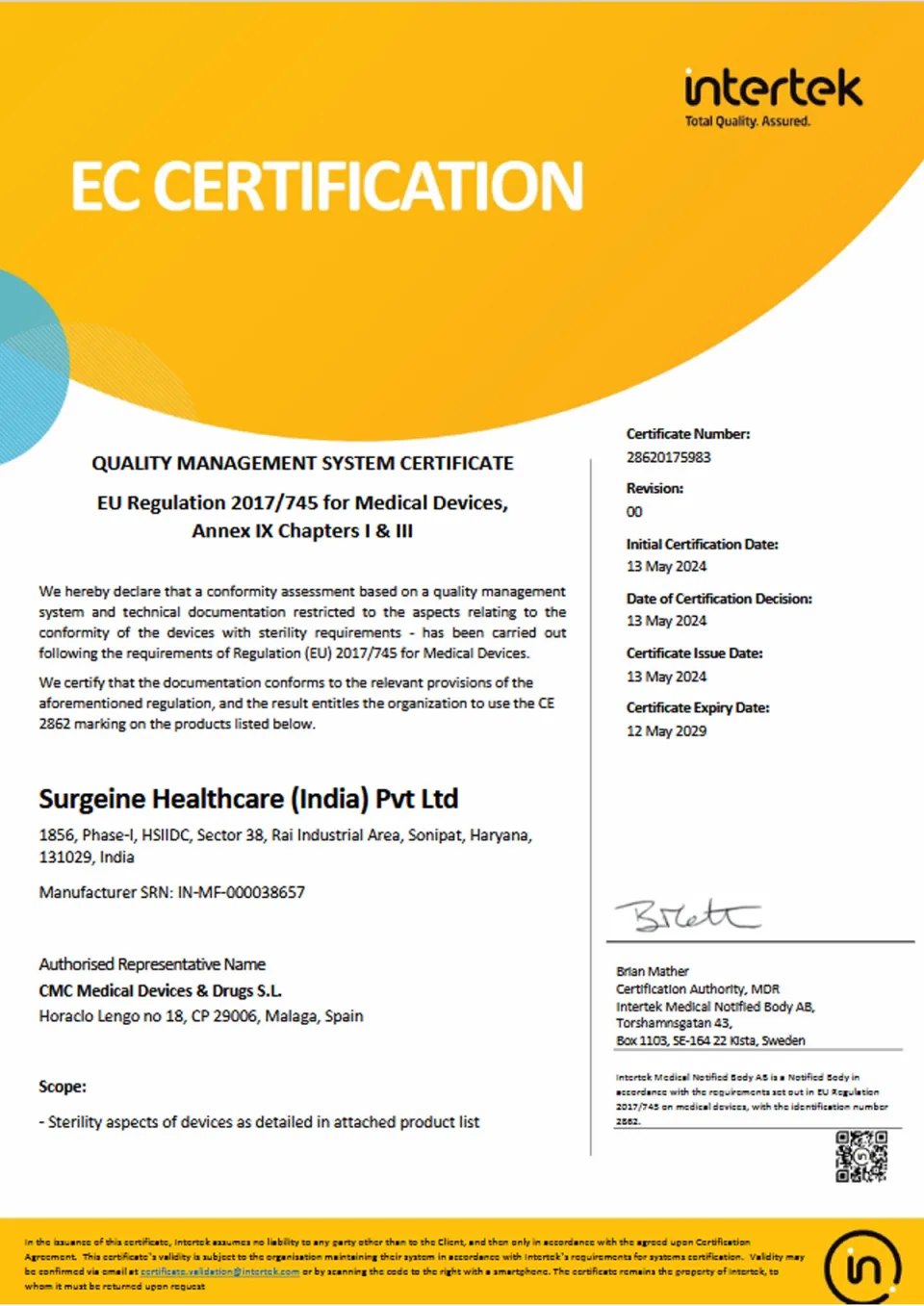 CE Certificate (EU MDR)
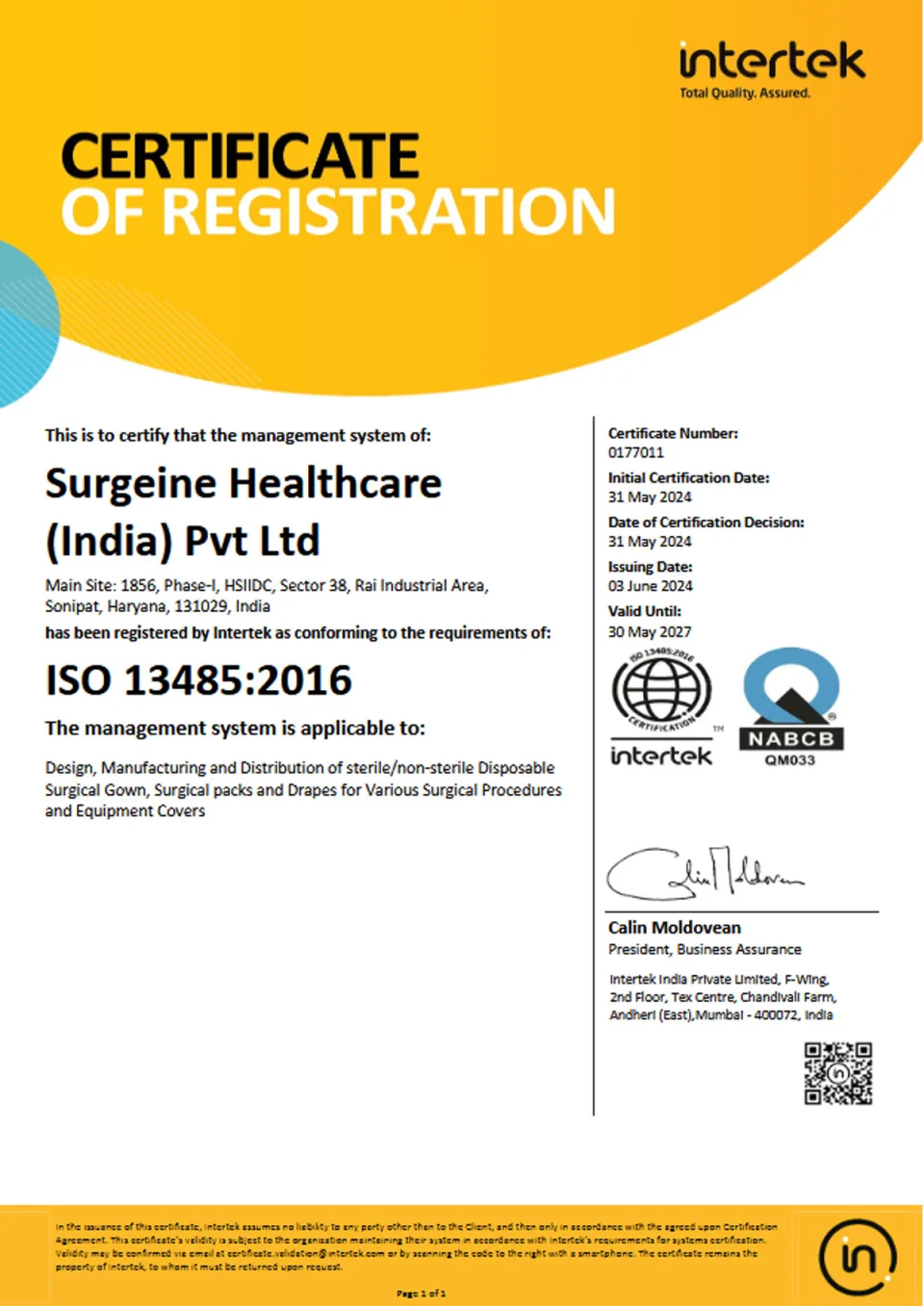 ISO 13485:2016 System
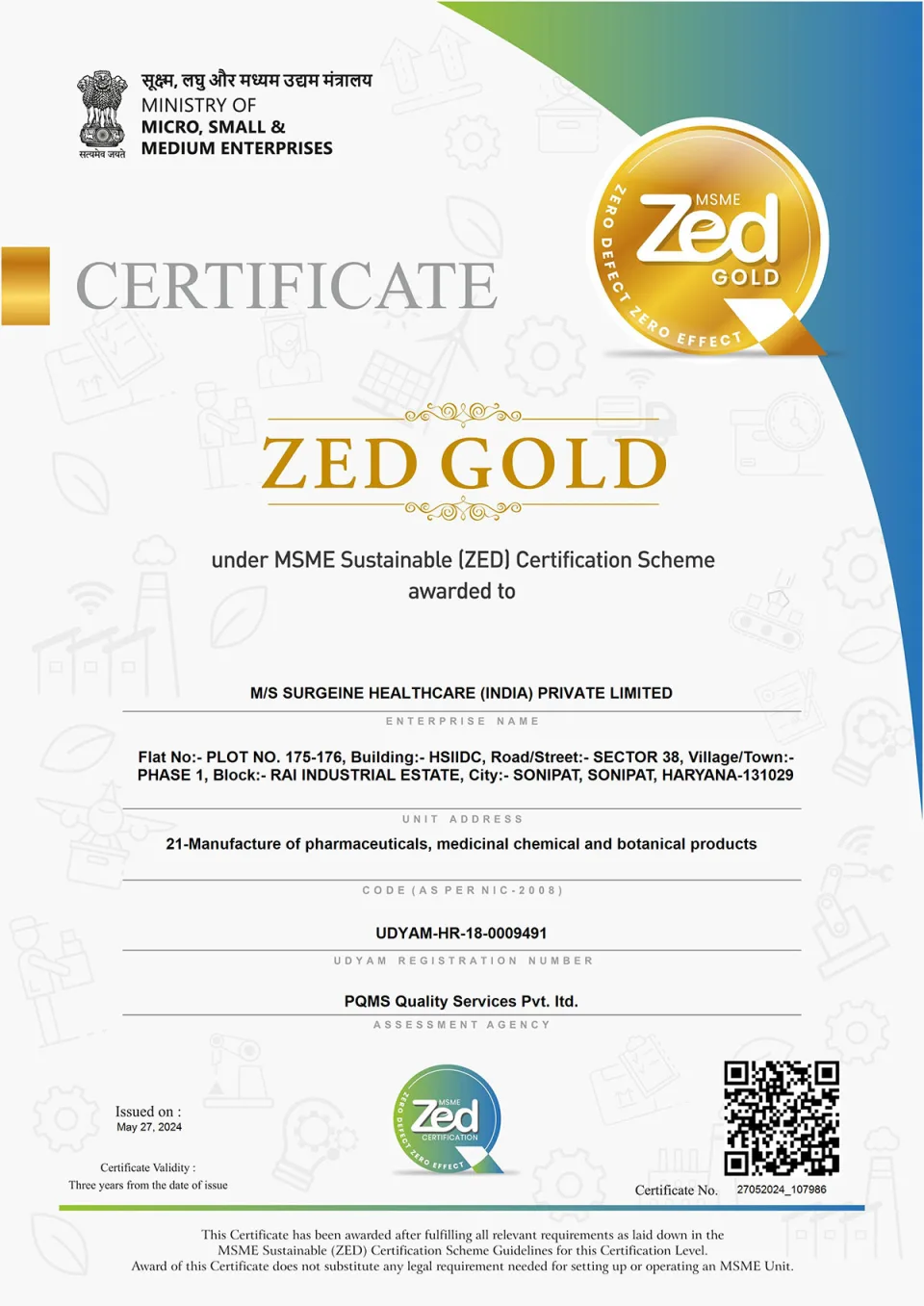 ZED Gold Rating
 Star Export House
BIS Certification
Star Export House
BIS Certification
Addressing critical regulatory, logistical, and technical queries regarding custom procedure pack outsourcing and OEM supplier qualification.
Our manufacturing operations comply strictly with ISO 13485:2016 Medical Devices Quality Management System standards. Our core surgical disposable product lines maintain continuous CE Marking, including updated certification under the European Union Medical Device Regulation (EU MDR 2017/745). Additionally, we maintain SFDA (Saudi Food and Drug Authority) registration, BIS certifications, ZED Gold manufacturing ratings, and Star Export House status. Technical documentation dossiers, sterilization validation reports (EN ISO 11135), and Declarations of Conformity are provided to qualified importers upon request.
Yes, absolutely. Our dedicated custom pack facility enables complete modular customization. Procurement teams and surgeons can specify exact component lists, drape fenestration dimensions, surgical gown barrier protection levels (AAMI Level 2, 3, or 4), specific component folding sequences, tray layouts, and localized multi-language packaging artwork. Pre-production physical samples are constructed and delivered for clinical validation prior to full-scale commercial manufacturing.
Our internal Regulatory Affairs department offers dedicated registration support for global distributors. We assemble comprehensive technical dossiers including device risk assessments (ISO 14971), biocompatibility data (ISO 10993 series), shelf-life accelerated stability test data, packaging seal integrity verification (ISO 11607), and Certificate of Free Sale (CFS) documentation required by national ministry of health agencies.
We manage comprehensive OEM and private-label programs for medical distributors and hospital chains across more than 25 countries. OEM services encompass branded outer box design, customized Tyvek/film peel pouch printing, GS1-128 barcode implementation, UDI compliant labeling, and custom palletization designed to streamline ocean container utilization and warehouse intake.
For high-acuity surgeries involving heavy fluid irrigation or high pressure—such as Total Hip/Knee Replacement, CABG, or Trauma surgery—we mandate AAMI Level 4 reinforced gowns combined with heavy-duty fenestrated drapes featuring absorbent reinforcement patches and integrated fluid collection pouches with suction ports. This setup prevents liquid strike-through and maintains surgeon comfort throughout extended procedures.
Partner with an established ISO 13485 and CE MDR certified OEM procedure pack factory. Request custom kit engineering quotes, technical regulatory files, or product catalogs today.