
Engineered for maximum fluid resistance, breathability, and validated microbiological barrier control in clinical environments.
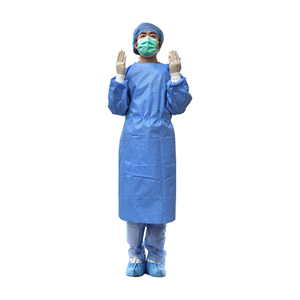
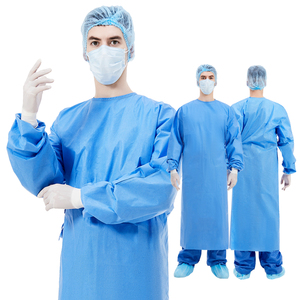
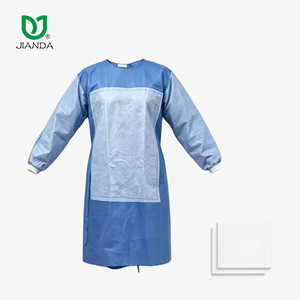
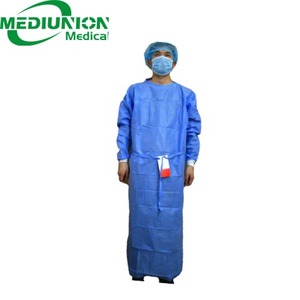
The global healthcare infrastructure has undergone a fundamental shift toward rigorous infection control standards, driving demand for high-performance medical apparel. Selecting the right isolation gown manufacturer & supplier is no longer merely a transaction based on unit cost; it is a critical clinical safety and risk-mitigation decision. Hospital procurement directors, Group Purchasing Organizations (GPOs), and medical device importers require deep transparency into barrier performance standards, material compositions, regulatory compliances, and supply chain resilience.
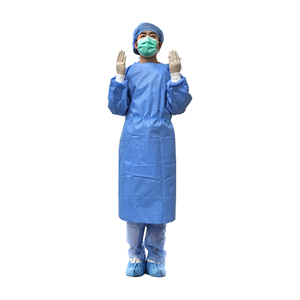
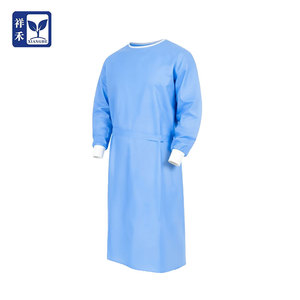
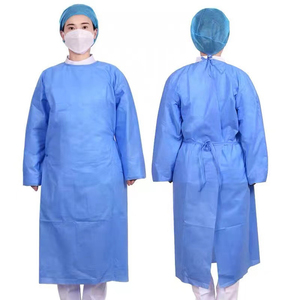
According to the latest healthcare safety frameworks, healthcare-acquired infections (HAIs) and accidental pathogen exposure represent significant liabilities for medical institutions. High-quality single-use isolation gowns engineered from non-woven spunbond-meltblown-spunbond (SMS), SMMS, and polyethylene (PE) film laminates form the primary line of defense against liquid strike-through, viral transmission, and cross-contamination in trauma, isolation wards, and operating theatres.
Understanding protection levels ensures clinical compliance and prevents both under-protection and unnecessary over-specification costs.
| AAMI Level | Test Methodology | Fluid Resistance Requirement | Recommended Clinical Environment |
|---|---|---|---|
| AAMI Level 1 | AATCC 42 (Impact Penetration) | Water penetration < 4.5g | Standard patient care, visitor protection, basic isolation rooms |
| AAMI Level 2 | AATCC 42 & AATCC 127 (Hydrostatic Head) | Water penetration < 1.0g; Hydrostatic pressure > 20cm H2O | Phlebotomy, ICUs, suture care, minor surgical procedures |
| AAMI Level 3 | AATCC 42 & AATCC 127 | Water penetration < 1.0g; Hydrostatic pressure > 50cm H2O | Emergency room, arterial blood draw, routine diagnostic procedures |
| AAMI Level 4 | ASTM F1671 (Viral Penetration Test) | Resistance to synthetic blood & Phi-X174 bacteriophage at 2 psi | Trauma, cardiovascular surgery, high-irrigation orthopedic cases |
To assist institutional buyers in strategic vendor assessment, we have benchmarked the top 10 global manufacturers based on vertical manufacturing capability, regulatory compliance, quality control standards, and product range depth:
Surgeine Healthcare stands as a premier global leader in perioperative infection prevention and medical disposables. Operating four state-of-the-art production facilities—including cleanrooms certified to ISO Class 7 (10,000) and Class 8 (100,000)—Surgeine provides an extensive catalog of AAMI Level 2–4 gowns, sterile surgical drapes, and customized procedure packs. Certified under ISO 13485:2016 and holding CE certification under the stringent EU MDR 2017/745, Surgeine serves healthcare distributors across 25+ countries with full OEM and private-label support.
A dominant North American supplier providing a diverse portfolio of protective apparel, surgical gowns, and logistical services. Known for extensive distribution channels across Western markets.
Renowned for patented fabric technologies such as MicroCool and specialized AAMI Level 4 surgical gowns engineered for high-fluid exposure environments.
A massive manufacturer and supply distributor offering comprehensive clinical inventory solutions, non-woven protective wear, and hospital logistics integration.
A European healthcare leader recognized for high-end single-use surgical drapes, gowns, and wound care solutions with an emphasis on ergonomic surgical apparel design.
A major Asian non-woven producer specializing in 100% cotton and synthetic non-woven technology, supplying volume disposable protective gowns globally.
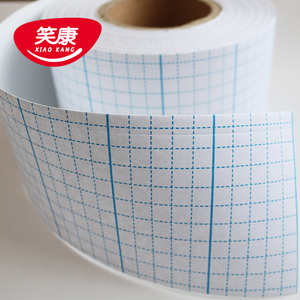
Offers advanced material science application in patient drapes, specialized protective apparel, and surgical border tape systems.
While globally recognized for surgical gloves, Ansell provides integrated personal protective equipment (PPE) systems, including chemical and biological isolation attire.
Pioneers in high-density polyethylene protective fabrics such as Tyvek and specialized protective garments for specialized biohazard isolation.
Specializes in high-quality disposable protective garments, face shields, and infection control apparel tailored to clinical and cleanroom operations.
Surgeine Healthcare has dedicated over two decades to elevating the standard of perioperative consumables and infection control products. By combining in-house R&D, advanced material processing, and strict regulatory adherence, we deliver unparalleled value to distributors and hospital groups worldwide.
Maintained continuous CE marking since 2008 and successfully transitioned to EU MDR 2017/745 certification in 2024, backed by SFDA, BIS, and ZED Gold accreditations.
Integrated hotmelt lamination, automated medical packaging, ultrasonic welding, and specialized cleanroom assembly lines spanning four specialized production facilities.
Every lot undergoes rigorous internal testing for hydrostatic head pressure, impact penetration, tensile strength, bursting strength, and linting compliance per EN 13795.
Custom pack layout, tailored drape folding sequences, multi-language artwork adaptation, batch documentation, and direct regulatory registration dossier support.
Key technological, regulatory, and supply chain shifts shaping medical textile sourcing over the next decade.
Procurement strategies are moving away from initial purchase price toward TCO analysis. High-quality SMS gowns that eliminate strike-through incidents reduce costly surgical site infection (SSI) readmissions and liability claims.
Surgical staff thermal comfort directly impacts surgical outcomes. Emerging Level 4 isolation gowns utilize monolithic micro-porous breathable films that block viral particles while allowing body moisture vapor to escape efficiently.
Traditional needle-stitched seams create microscopic needle punctures where liquids can bleed through under pressure. Future manufacturing standardizes on ultrasonic heat-welded seams for 100% impervious fluid barrier integrity.
To prevent regional supply disruptions, healthcare systems are establishing multi-region sourcing models, partnering with compliant manufacturers with verified global export capabilities.
Environmental governance (ESG) standards drive the development of recyclable PP materials, reduced-weight high-strength SMS structures, and eco-friendly sterilization packaging.
Global regulatory bodies require detailed biocompatibility data (ISO 10993), chemical residue testing, and sterile barrier shelf-life studies. Importers preferentially select vendors with pre-assembled technical dossiers.
Addressing essential technical, operational, and regulatory inquiries from hospital committees and distributors.
Isolation gowns are intended to protect healthcare personnel and patients from cross-contamination in general ward care, isolation units, and basic clinical settings (AAMI Levels 1–3). Surgical gowns are classified as surgical devices required to maintain a sterile field during invasive operating room procedures, featuring reinforced critical zones (chest and sleeves) and compliance with AAMI Level 3–4 or EN 13795 standards.
Institutional buyers must require an ISO 13485:2016 Quality Management System certificate for medical devices. For European distribution, CE compliance under EU MDR 2017/745 is essential. Additional critical benchmarks include US FDA 510(k) registration, SFDA, BIS certifications, and independent batch test reports covering AAMI PB70 hydrostatic pressure and viral penetration (ASTM F1671).
Yes. Leading vertical manufacturers like Surgeine Healthcare specialize in customized procedure packs and private-label production. You can configure component inclusions, drape dimensions, gown barrier levels, folding orientations, tray layout, packaging artwork, and multi-language instructions for use (IFU) to match specific regional tender requirements.
Fabric weight typically ranges from 25 GSM to 60 GSM depending on application. Lightweight 25–35 GSM SMS/PP+PE fabrics are ideal for basic isolation and low-fluid environments. Reinforced AAMI Level 3 and 4 gowns utilize 45–60 GSM SMMS or poly-laminated composites to guarantee maximum hydrostatic resistance without compromising wearer flexibility.
Validated Ethylene Oxide (EO) sterilization (compliant with ISO 11135) ensures complete microbial destruction within sealed medical-grade peel pouches. When processed in ISO Class 7/8 cleanrooms with high-barrier packaging, single-use sterile gowns maintain guaranteed sterility and functional integrity for 3 to 5 years under recommended storage conditions.
Consult with our medical disposables experts to request product samples, receive custom tender quotations, or review technical dossiers and certification packages.
Contact Us