
Hospital-grade sterile gowns, isolation apparel, and specialized procedure components manufactured in 100,000-class cleanroom environments.

In modern perioperative management, surgical site infection (SSI) prevention remains the absolute priority for hospital healthcare systems, ambulatory surgical centers (ASCs), and international healthcare distributors. Suture trays and procedure packs are no longer viewed merely as passive collection vessels for surgical disposables; they are engineered perioperative platforms critical to maintaining aseptic fields, streamlining operating room turnaround times, and eliminating cross-contamination risks during minor, major, and trauma surgical interventions.
As a premier China wholesale suture trays manufacturer and OEM medical disposables specialist, our production paradigm operates at the intersection of rigorous polymer material science, automated cleanroom assembly, and stringent regulatory compliance under ISO 13485:2016 and European Union Medical Device Regulation (EU MDR 2017/745). By consolidating component sourcing, tray thermoforming, medical-grade non-woven barrier fabrication, and Ethylene Oxide (EO) sterilization under a single unified quality management framework, we empower medical procurement officers and B2B importers to drastically compress their supply chain complexity while upholding uncompromising patient safety standards.
Our state-of-the-art manufacturing campus spans over 45,000 square meters, featuring ISO Class 8 (Class 100,000) and ISO Class 7 cleanrooms equipped with automated high-speed thermoforming machinery, ultrasonic welding lines, and inline medical packaging systems. Unlike traditional converters who source third-party components, our vertical integration encompasses:
To assist healthcare procurement teams, Group Purchasing Organizations (GPOs), and OEM partners in evaluating technical parameters, the following matrix outlines the standardized material specifications, fluid barrier classifications, and clinical usage protocols across our primary surgical disposable and suture kit categories:
| Category | Material Composition | Barrier Rating (AAMI PB70 / EN 13795) | Sterilization Protocol | Primary Clinical Application |
|---|---|---|---|---|
| Basic Laceration Suture Tray | Medical HIPS / PETG Tray + 35gsm SMMS Wrap | AAMI Level 2 (Hydrostatic Pressure > 20 cm H2O) | EO Sterilization (ISO 11135) | Emergency Room Laceration, Outpatient Minor Suturing |
| Minor Surgery Procedure Pack | Rigid Polypropylene Compartments + 45gsm Reinforced SMS | AAMI Level 3 (Hydrostatic Pressure > 50 cm H2O) | EO / Gamma Irradiation | General Surgery, Biopsy, Minor Plastic & Dermatological Procedures |
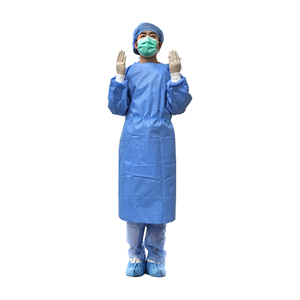
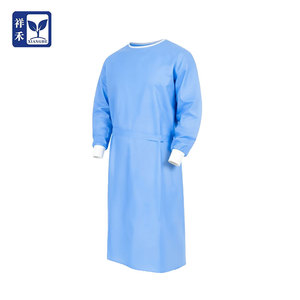
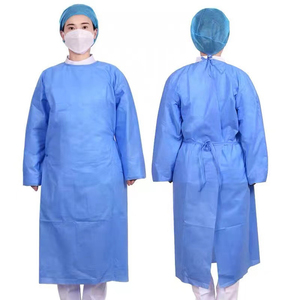
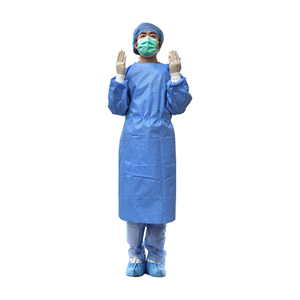
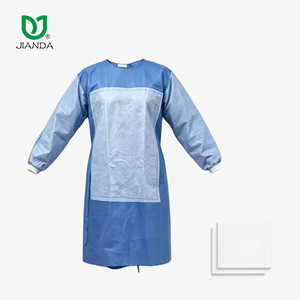
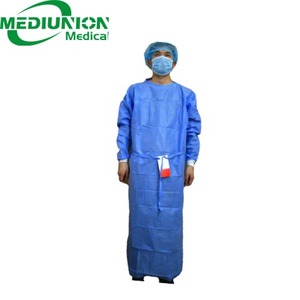
| Reinforced OR Surgical Gown | Heavyweight SMMS + Impervious Breathable PE Lamination Zone | AAMI Level 4 (Viral Penetration ASTM F1671 Compliant) | EO Sterilized | High-Fluid Vascular, Orthopedic, Trauma & Cardiac Surgeries |
| Specialized Dental Suture Pack | Compact Molded PETG + Ultrasonic Sealed Pouches | AAMI Level 2 / EN 13795 High Performance | EO Sterilized | Maxillofacial Surgery, Periodontal & Implant Suturing |
| Operating Room Equipment Cover Set | PE Film (30-50µm) + Elasticized Polyolefin Banding | 100% Fluid Impermeable Barrier | EO / E-Beam Sterilized | C-Arm, Microscope, Endoscopy Camera & Touch Screen Protection |
Microbial contamination in cleanroom environments is heavily dictated by non-woven linting characteristics and fluid strikethrough tendencies. Standard spunbond materials often exhibit fiber shedding when subjected to friction during suturing or instrument manipulation. Our advanced thermal-bonded SMMS architecture utilizes micro-denier meltblown filaments embedded between spunbond layers, creating a tortuous path barrier that prevents liquid penetration while maintaining breathability.
In accordance with EN 13795 testing methodologies, our surgical drapes and gown fabrics undergo rigorous particle release evaluations (Gelbo Flex Test), demonstrating lint counts of fewer than 2.1 log10(count) in critical zones. Furthermore, hydrostatic head tests consistently exceed 50 cm H2O for Level 3 products and 100 cm H2O for Level 4 reinforced regions, ensuring that blood, bodily fluids, and saline irrigants cannot breach the protective barrier during prolonged procedures.
Partnering with our manufacturing organization provides global importers and medical brands with distinct structural advantages designed to enhance market responsiveness, lower landed costs, and maintain absolute compliance assurance across diverse regulatory jurisdictions.
Fully customizable tray layouts, instrument configurations, component counts, suture material preferences, and facility-specific folding sequences.
Provision of full Technical Files, Declarations of Conformity, ISO 11607 sterile packaging validation, and biocompatibility test data for fast local registration.
Multi-line thermoforming and ultrasonic sealing equipment capable of yielding over 500,000 custom suture kits per month with minimal lead times.
Direct bulk resin purchasing and container space optimization algorithm reducing freight costs per unit by up to 18% compared to standard suppliers.
Quality control is not an afterthought; it is woven into every stage of our manufacturing workflow. Our dedicated on-site analytical laboratory conducts comprehensive testing on incoming raw materials and finished sterile devices, including:
As global healthcare systems shift toward value-based procurement, sustainability goals, and supply chain resilience, the manufacturing landscape for surgical suture trays and protective disposables is undergoing a profound structural evolution. Procurement directors must anticipate these key macro trends when selecting long-term manufacturing partners:
Environmental regulations across Europe and North America are accelerating the demand for sustainable medical packaging and biodegradable non-woven fabrics. Traditional petroleum-based PP materials are increasingly supplemented by bio-derived polyolefins, recycled PET packaging trays, and bio-degradable PLA (Polylactic Acid) non-wovens that maintain required liquid barrier ratings while lowering the carbon footprint per surgical procedure.
The enforcement of Unique Device Identification (UDI) regulations by the US FDA and EU MDR mandates granular batch-level and item-level barcode integration. Advanced suture tray suppliers are incorporating GS1 DataMatrix codes directly onto primary pouches and master cartons. Furthermore, the integration of RFID tags into high-value custom procedure packs enables automated hospital inventory tracking, reducing stockouts and expiring inventory waste.
Hospital networks are actively moving away from bloated, overly complex kit SKUs toward streamlined, standardized procedure trays. By analyzing usage patterns, clinical committees remove unnecessary tools, resulting in compact kit dimensions, lower freight volumes, reduced sterile barrier footprint, and lower overall procurement costs per case.
To mitigate geopolitical disruptions and regional supply bottlenecks, healthcare systems are establishing dual-sourcing models. Tier-1 Chinese manufacturers with international compliance credentials, large-scale cleanroom capacity, and robust raw material reserves act as indispensable core manufacturing hubs, providing unrivaled cost efficiency and volume scalability.
Detailed technical and regulatory answers regarding bulk purchasing, custom tray configuration, and export compliance.
Streamline your medical disposable supply chain today. Contact our technical engineering team for custom tray prototyping, regulatory file requests, or bulk factory pricing quotes.