
Direct OEM/ODM Supply Chain Solutions Engineered for Maximum Mechanical Reliability, Compliance, and Smart Integration
In modern industrial safety, healthcare infrastructure, and automated facilities management, the demand for verified, high-performance securement devices has experienced an unprecedented evolution. Historically regarded as simple mechanical fasteners or standard perimeter hardware, modern securement technologies have transitioned into intelligent, highly regulated safety elements engineered to withstand extreme stress, mechanical strain, and unauthorized access vectors.
China's securement manufacturing ecosystem stands at the dynamic center of this transition. Leveraging advanced material engineering, automated micro-assembly cleanrooms, and stringent compliance controls (ranging from CE MDR and ISO 13485 quality systems to OSHA-compliant electrical lockout standards), top-tier Chinese manufacturers provide global B2B procurement partners with an unmatched blend of structural reliability and cost-competitive scaling.
Strategic Insight for B2B Buyers: Modern procurement strategies are pivoting from basic unit-cost evaluations toward "Total Cost of Quality & Reliability" (TCQR). Selecting a manufacturer with integrated R&D, in-house laboratory tensile/shear validation, and cleanroom packaging drastically minimizes downstream field failures and regulatory recall exposure.
Choosing the appropriate securement or safety device requires an absolute alignment between operational risk profile, environmental exposure, and regulatory mandates. Below is an engineering framework for evaluating our main product lineups:
| Securement Product Category | Core Technical Specifications | Primary Application Environment | Compliance & Standard Benchmarks |
|---|---|---|---|
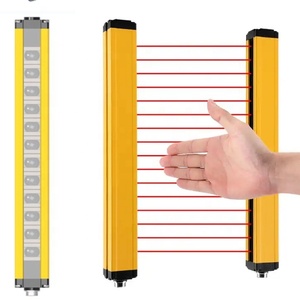
| Industrial Safety Light Curtains | Infrared optical resolution (10-40mm), <15ms response time, IP65/67 aluminum shell | Automated assembly lines, stamping presses, robotic cells | CE EN 61496-1/2, Type 4 SIL 3 Safety Ratings |
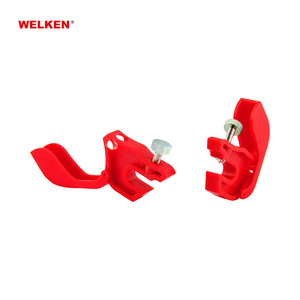
| Electrical Breaker Lockout Devices | Impact-resistant engineered nylon, wide-clamp universal grip, chemical resistant | Industrial switchboards, facility maintenance, hazard containment | OSHA 1910.147 Compliance, Directive 2009/104/EC |
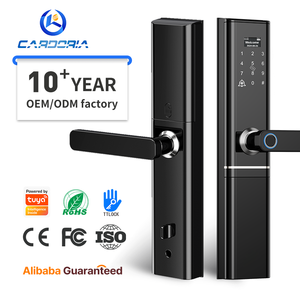
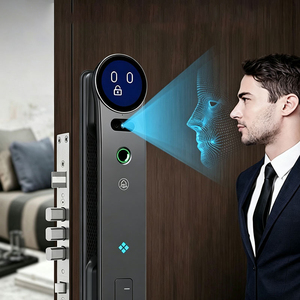
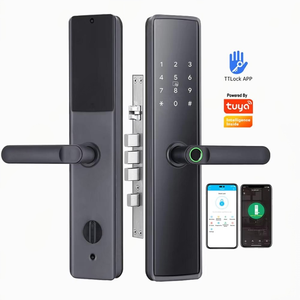
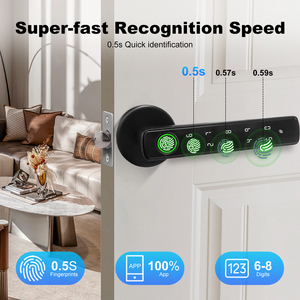
| Biometric Smart Handle Locks | 3D Structured Light Face ID, semiconductor fingerprint (<0.5s match), AES-128 BLE encryption | Commercial office complexes, executive suites, server rooms | CE, FCC, RoHS, ISO 9001 Quality Standards |
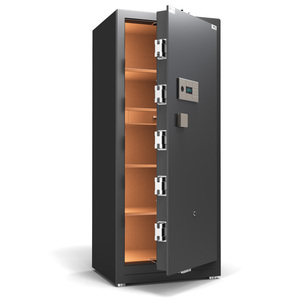
| Anti-Pry Digital Intelligent Safes | Solid cold-rolled alloy steel, laser-cut micro-gap door, dual-bolt electronic lock | Government offices, healthcare asset securement, banking | GA/T 73 Mechanical Safety Standard, Grade A Lock Rating |
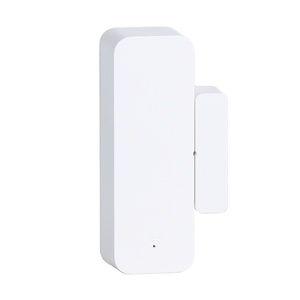
| GSM/WiFi Multi-Network Alarms | Quad-band GSM + 2.4GHz WiFi, 110dB acoustic alert, 433MHz wireless sensor mesh | Perimeter breach defense, remote facility monitoring | EN 50131 Grade 2 Security Compliance |
When requesting customized modifications for securement hardware, engineering teams should evaluate three primary physical attributes:
As global supply chains navigate changing trade dynamics and rapid technological convergence, enterprise purchasing managers must position their sourcing pipelines to capture next-generation innovations. Our analytical team highlights four primary procurement trends defining the 2026-2030 decade:
Enterprise buyers are moving away from single-purpose hardware toward modular securement platforms. By standardizing mounting footprints and sensor interfaces, facilities can upgrade access control modules (e.g., swapping keypads for 3D face recognition) without re-engineering structural door frames or equipment housings.
With smart locks and alarm sensors connected directly to corporate IP networks, hardware-level encryption is becoming mandatory. Future procurement specifications will universally require Secure Element (SE) hardware chips and encrypted firmware signed by validated Certificate Authorities (CAs).
Lead times are shrinking. Premier Chinese manufacturers are utilizing advanced 3D mold prototyping and in-house hotmelt lamination lines to reduce custom product development cycles from 180 days down to under 30 days, enabling swift alignment with evolving local tender specifications.
Importers across Europe and North America now demand end-to-end batch traceability. Leading suppliers provide full Technical Files, Declarations of Conformity, biocompatibility reports, and batch-level quality control documentation alongside every commercial shipment.
Combining Decades of Engineering Excellence, Specialized Cleanroom Assembly, and Comprehensive International Regulatory Support
Operates modern production bases featuring 100K and 10K class cleanrooms, equipped for high-precision plastic injection, hotmelt lamination, and automated assembly of sensitive security and safety hardware.
Every product batch undergoes internal mechanical stress, tensile force, shear resistance, linting, bursting strength, and environmental endurance tests to ensure zero-defect shipment performance.
Maintains complete ISO 13485:2016 quality management systems, CE certification under strict EU standards, SFDA, BIS, and ZED Gold recognitions, serving clients in over 50 countries worldwide.
Provides complete custom branding, multi-language artwork localization, specialized packaging configurations, and customized instruction manual compliance for regional group purchasing organizations.
Dedicated tooling units commissioned specifically for custom client requests enable ultra-fast sample production, enabling rapid clinical and engineering validation prior to full commercial runs.
Backing by over 300 experienced field engineers and manufacturing specialists ready to assist international procurement teams with tender documentation, risk analysis, and local registration dossiers.