
Engineered in ISO Class 100,000 cleanrooms to eliminate surgical site infections (SSIs) and enhance operating theatre workflow efficiency.
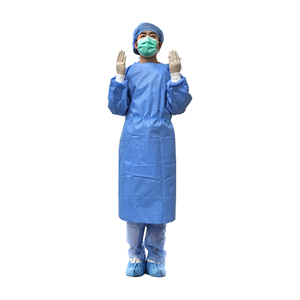
AAMI Level 3/4 high-barrier gown engineered for long-duration delivery and high-fluid surgical operations. Features ultrasonic seam sealing and ergonomic raglan sleeves.
Contact Us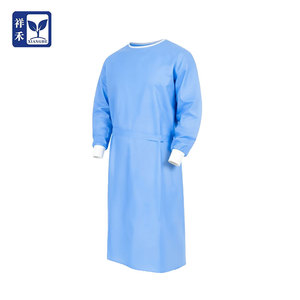
Ethylene Oxide (EO) validated fluid-resistant surgical protective apparel. Formulated with breathable non-woven SMS composite fabric for extended surgeon comfort.
Contact Us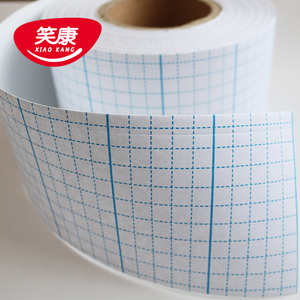
Class I compliant medical drape with localized absorption pads and integrated fluid-collection pouches tailored for obstetrics and gynecological procedures.
Contact Us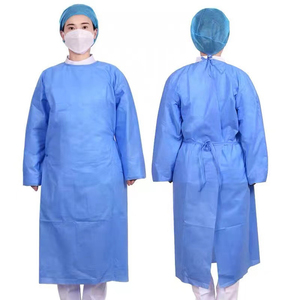
Cost-effective B2B wholesale isolation gown designed for rapid turnarounds in clinical examination and low-to-medium fluid maternity wards.
Contact Us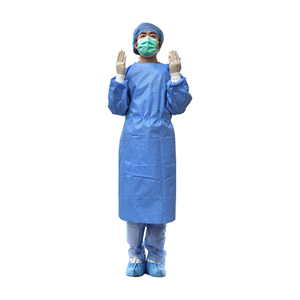
Impervious zone-reinforced protective suit offering full viral and blood-borne pathogen defense under high hydrostatic pressure conditions.
Contact Us
Dual-layer Polypropylene and Polyethylene construction ensuring zero liquid penetration. Ideal for intensive obstetric emergency deliveries.
Contact Us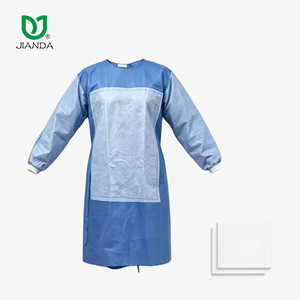
Features adjustable hook-and-loop neck closures and stitch-free ultrasonic seaming to prevent particulate linting and microbial transfer.
Contact Us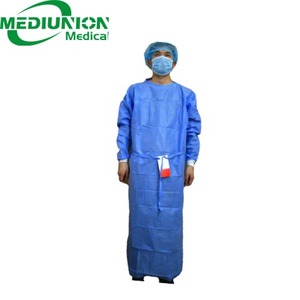
Lightweight, ultra-breathable surgical gown compliant with EN 13795 standard, certified for optimal heat dissipation and mobility during childbirth delivery.
Contact UsIn modern healthcare procurement, maternal delivery kits and custom surgical procedure packs have evolved from mere convenience items into fundamental safeguards against Healthcare-Associated Infections (HAIs) and Surgical Site Infections (SSIs). According to clinical studies published by the World Health Organization (WHO), hospital-acquired infections during childbirth account for significant maternal and neonatal morbidity worldwide. Implementing standardized, pre-packaged sterile delivery kits ensures immediate readiness, complete barrier protection, and precise procedural compliance in emergency obstetric care.
As a leading original equipment manufacturer (OEM) and private-label producer based in China, our manufacturing methodology integrates advanced material engineering, automated converting, and rigorous bioburden controls. Every component within our sterile delivery packs—ranging from AAMI PB70-rated drapes and gowns to CHG pre-operative skin antiseptics, umbilical cord clamps, baby wrapping towels, and fluid retention pouches—is curated to match facility-specific surgical protocols.
The core protective capability of disposable medical textiles relies heavily on non-woven polymer architectures. Our production line leverages multi-layer SMS, SMMS, and SMMMS (Spunbond-Meltblown-Spunbond) technology alongside microporous PE/PP laminates to achieve an optimal balance between fluid imperviousness and thermal breathability.
Why leading global Group Purchasing Organizations (GPOs), hospital chains, and medical distributors select our OEM/ODM manufacturing infrastructure.
Our state-of-the-art production facilities operate under an ISO 13485:2016 Certified Quality Management System. Product lines carry formal CE Marking under EU MDR 2017/745, alongside BIS certification, SFDA registrations, and ZED Gold validation for global import clearance.
All converting, folding, ultrasonic seaming, and primary packaging operations are performed inside environmentally monitored Class 100K and Class 10K cleanrooms, maintaining low initial bioburden levels prior to final Ethylene Oxide (EO) sterilization.
From raw polymer meltblown extrusions and hotmelt fabric lamination to custom pouch sealing and automated ETO sterilization chambers, our fully integrated supply chain delivers strict cost control and consistent lot-to-lot reliability.
Internal physical and microbiological testing facilities regularly audit hydrostatic pressure head resistance, synthetic blood penetration (ASTM F1671), linting propensity (EN ISO 9073-10), tensile bursting strength, and EO residual levels.
Complete freedom to configure drape sizes, incise film apertures, component placement orientation, gown barrier levels, tray layout, local language branding, and artwork to comply with regional healthcare tender criteria.
Exporting high-tier sterile disposable packs to more than 25 countries across Europe, North America, the Middle East, and Southeast Asia, backed by full technical documentation and batch traceability dossiers.
Healthcare procurement managers and hospital supply chain directors are undergoing a structural shift in how medical disposables are evaluated and acquired. Moving away from purchasing fragmented individual component SKUs, healthcare providers are adopting consolidated procedural packs to optimize inventory turnover and control operational expenditure. Strategic trends shaping future delivery kit procurement include:
Continuous innovation in non-woven conversion technology has yielded significant enhancements in surgical safety, ergonomic drape design, and fluid control during complex delivery cases.
A. Advanced Liquid Collection & Cable Management: Modern obstetric delivery drapes feature heavy-duty 3D anti-fluid splash pouches equipped with filter screens and exit drain valves. This allows clinical teams to monitor real-time blood loss accurately while keeping the floor environment dry and hazard-free.
B. Ultrasonic Seamless Bonding: Traditional stitched seams present micro-perforations where liquid strike-through can occur under fluid pressure. The implementation of 100% ultrasonic continuous seaming fuses fabric layers together seamlessly, ensuring impenetrable barrier protection along shoulder seams, sleeve joints, and drape reinforcements.
C. Integrated Pre-Operative Skin Prep Systems: Next-generation delivery kits are increasingly incorporating single-use Chlorhexidine Gluconate (CHG) applicators and alcohol-based skin swab sticks directly within the primary sterile packaging, standardizing pre-operative skin antisepsis across hospital departments.
Technical reference guide for hospital clinical committees to select appropriate protection levels based on fluid volume exposure.
| AAMI Protection Level | Impact Penetration (AATCC 42) | Hydrostatic Head (AATCC 127) | Target Clinical Application | Recommended Kit Fabrics |
|---|---|---|---|---|
| AAMI Level 1 | ≤ 4.5 g | ≥ 20 cm H₂O | Standard patient care, minimal fluid isolation, basic examination | Spunbond Polypropylene (20–30 gsm) |
| AAMI Level 2 | ≤ 1.0 g | ≥ 50 cm H₂O | Low-fluid minor outpatient procedures, suturing, emergency triage | Standard SMS non-woven (30–40 gsm) |
| AAMI Level 3 | ≤ 1.0 g | ≥ 50 cm H₂O | Standard vaginal delivery, general abdominal surgery, laparoscopy | Heavy-duty SMMS / SMMMS (40–50 gsm) |
| AAMI Level 4 | 0.0 g (ASTM F1670 Blood) | Passes ASTM F1671 Viral Penetration | Caesarean Section (C-Section), high-fluid orthopedic/cardiac surgery | Reinforced PE Film Laminates / Breathable Membrane |
Key technical, regulatory, and commercial answers for healthcare importers, tender coordinators, and distributors.
A standard sterile delivery kit typically contains an AAMI Level 3/4 obstetric drape with fluid collection pouch, underbuttocks drape, leggings, surgical gowns, baby warming wrap/towel, umbilical cord clamps, OR towels, placenta tray, CHG prep swabs, and gauze sponges. All components can be fully customized according to hospital tender specifications.
Our manufacturing facilities operate strictly under ISO 13485:2016 Quality Management Systems. Our products comply with European Union MDR 2017/745 regulations, carry valid CE certifications, and meet AAMI PB70 and EN 13795 performance standards for surgical clothing and drapes.
Yes. We specialize in contract manufacturing and OEM/ODM private labeling. We support artwork design, multi-language Instructions for Use (IFU), customized inner pouch branding, specialized folding sequences, and tailored drape aperture positioning for specific clinical protocols.
Products undergo validated Ethylene Oxide (EO) sterilization processes compliant with ISO 11135. Primary packaging utilizes medical-grade Tyvek or heavy-gauge paper/plastic peel pouches ensuring sterile barrier integrity for up to 5 years, backed by accelerated dynamic aging and transport simulation test data.
Standard MOQs depend on the complexity of the custom pack configuration (typically 1,000 to 3,000 packs). Production lead time ranges from 25 to 35 days post sample validation and regulatory artwork sign-off, supported by streamlined port clearance from major Chinese shipping hubs.
Partner with China's premier manufacturer of sterile delivery packs, surgical drapes, and protective medical apparel. Contact our technical product specialists to receive engineering samples, full compliance documentation, and factory-direct pricing.