
Precision-engineered disposable surgical gowns, protective apparel, and medical barriers meeting strict AAMI PB70 and EN 13795 sterile field criteria.
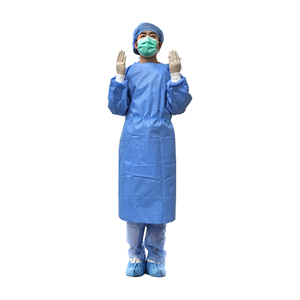
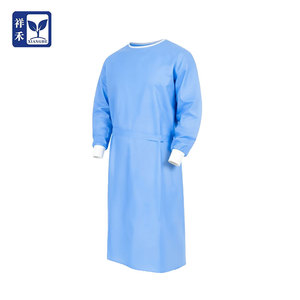
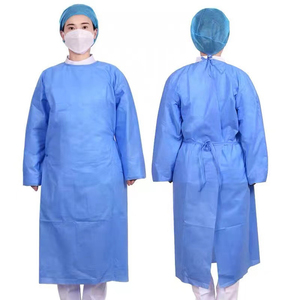
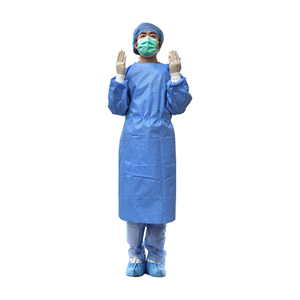

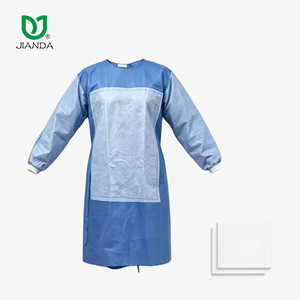
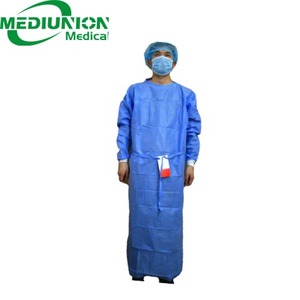
An authoritative guide for Group Purchasing Organizations (GPOs), hospital procurement officers, and medical device importers navigating EU MDR 2017/745 compliance and material innovations.
In modern surgical suites, sterile surgical gloves serve as the primary physical shield preventing reciprocal microbial transmission between surgical teams and patients. Unlike examination gloves designed for short-term diagnostic tasks, CE Certified Surgical Gloves undergo rigorous testing under European Standards (EN 455 Parts 1–4) and ASTM D3577 to ensure micro-pinhole integrity, anatomical fit, tactile sensitivity, and sustained chemical barrier durability during prolonged invasive surgical procedures.
With Surgical Site Infections (SSIs) remaining a key quality metric in healthcare systems globally, high-performing surgical glove manufacturers adhere to strict Quality Management Systems (ISO 13485:2016). Advanced manufacturing facilities utilize computerized online dip testing and 100% electronic pinhole inspection to guarantee an Acceptable Quality Level (AQL) of 0.65 or 1.0—significantly more stringent than the AQL 1.5 standard accepted for standard medical examination gloves.
Key Insight on Information Gain: Under EU MDR 2017/745 regulation, surgical gloves are classified as Class IIa or Class IIb medical devices. Importers must verify that the OEM factory maintains Notified Body supervision (e.g., BSI, TÜV SÜD, SGS) with complete Technical Documentation covering biocompatibility (ISO 10993), chemical accelerator residue limits, and real-time shelf-life validation data.
The global medical gloves export landscape has undergone structural shifts driven by clinical allergic reactions, cost optimization, and material engineering advancements. B2B buyers must evaluate polymers based on procedure duration, barrier performance, and surgeon preference:
| Polymer Material | AQL Pinhole Standard | Tensile Strength (MPa) | Allergy Profile (Type I / IV) | Clinical Application Suitability |
|---|---|---|---|---|
| Natural Rubber Latex (NRL) | AQL 0.65 - 1.0 | ≥ 24 MPa | Risk of Type I Protein Allergy | High-precision microsurgery, general surgery, trauma |
| Synthetic Polyisoprene (PI) | AQL 0.65 | ≥ 17 - 22 MPa | 100% Latex-Free (Zero Type I) | Premium OR choice, cardiac, orthopedic, high-risk cases |
| Nitrile (Medical Grade) | AQL 1.0 - 1.5 | ≥ 14 - 18 MPa | Latex-Free; Variable Accelerators | Chemotherapy handling, ER, high puncture-resistance cases |
| Neoprene (Polychloroprene) | AQL 0.65 - 1.0 | ≥ 17 MPa | Latex-Free; Low Allergenic | Surgical double-gloving under-glove, chemical barrier |
Polyisoprene (PI) Breakthroughs: Synthetic Polyisoprene mirrors the molecular structure of natural rubber latex without containing water-soluble latex proteins. Leading exporters are rapidly expanding PI glove manufacturing lines to support hospital "Latex-Free OR" initiatives, reducing hospital liability while maintaining superior modulus of elasticity and fatigue resistance during long surgical operations.
Combining 23+ years of medical disposable manufacturing with state-of-the-art automated cleanrooms and complete regulatory compliance dossiers.
We provide comprehensive CE Technical Documentation under EU MDR 2017/745, ISO 13485:2016 certifications, Certificate of Free Sale (CFS), and EN 455 test reports for fast regional product registration.
Exporting to over 25 countries across Europe, the Middle East, Asia-Pacific, and Latin America, supported by robust cold-chain packaging and dependable container shipping logistics.
Operates ISO Class 7 (10,000) and Class 8 (100,000) certified cleanrooms equipped with automated dipping, ultrasonic sealing, hotmelt lamination, and Ethylene Oxide (EO) sterilization chambers.
Every lot undergoes internal physical testing for burst strength, water-tightness pinhole checks, liquid penetration resistance (AAMI PB70), and residual powder verification (< 2mg per glove).
Tailored packaging solution support—including artwork translation, inner wallet folding, barcode unit-traceability, and customized surgical procedure pack assembly.
Pioneering chemical-accelerator-free dipping processes (free of DPG, thiurams, and carbamates) to prevent Type IV occupational contact dermatitis among healthcare staff.
Navigating environmental sustainability, automated double-gloving indicators, regulatory traceability, and custom procedure pack integration.
Double-gloving has evolved from a recommended practice to a mandatory standard in orthopedic, trauma, and high-fluid surgical procedures. The global trend centers on Color-Indicator Double-Gloving Systems. By pairing a dark-colored underglove (typically green or blue) with a smooth or textured cream-colored outer glove, surgical teams receive instant visual alerts when a barrier puncture occurs due to fluid contact between layers. Exporters offering paired double-glove system packs are securing long-term hospital network tenders over single-pair vendors.
Occupational contact dermatitis among operating room staff accounts for significant sick leave and workflow disruption. Traditional vulcanization chemical accelerators—such as Thiazoles, Thiurams, and Carbamates—are the primary catalysts for Type IV chemical allergies. Sourcing trends indicate a 35% year-over-year surge in hospital demands for Accelerator-Free Surgical Gloves, synthesized using advanced cross-linking technologies that maintain tensile integrity without toxic chemical residue.
Hospitals are moving away from procuring fragmented disposable components. Procurement departments favor factories capable of supplying integrated Customized Surgical Procedure Packs. Assembling CE-certified gloves, AAMI Level 4 reinforced gowns, sterile drapes, and skin prep applicators into a single sterile pouch drastically reduces operating room setup time, minimizes packaging waste, and streamlines hospital inventory management.
Environmental, Social, and Governance (ESG) criteria are now directly embedded into European healthcare tenders. Exporters are redesigning packaging to utilize recycled paperboard inner wallets, bio-based pouch films, and optimized box volumes that maximize shipping container space, reducing per-unit carbon transport footprints by up to 22%.
Addressing essential regulatory, OEM manufacturing, quality testing, and ordering details for international medical importers.
Under EU MDR 2017/745, surgical gloves require Class IIa or IIb CE Certification issued by an accredited EU Notified Body. The manufacturer must maintain an ISO 13485:2016 certified QMS, produce a complete Technical File, hold an EC Declaration of Conformity (DoC), and ensure Unique Device Identification (UDI) compliance on all packaging levels.
AQL (Acceptable Quality Level) measures micro-pinhole defect rates tested via water tightness tests (EN 455-1). AQL 0.65 is the premium standard required for surgical gloves, meaning fewer than 0.65% statistical defects in a batch. AQL 1.5 is standard for non-sterile examination gloves. Lower AQL numbers denote higher barrier protection during invasive surgical procedures.
Yes. Our production facilities specialize in OEM and private-label manufacturing. We can configure procedure packs containing specified glove sizes, AAMI Level 2–4 gowns, drape sizes, and accessories wrapped in a single sterile fold with custom artwork and multi-language instructions for use (IFU).
Our powder-free surgical gloves undergo advanced internal polymer coating (such as acrylic or polyurethane coatings) or offline triple-chlorination. This creates a smooth micro-textured interior surface that allows seamless dry and damp donning without relying on cornstarch powder, which can cause postoperative granulomas or adhesions.
Products are sterilized using Ethylene Oxide (EO) gas or Gamma Irradiation in accordance with ISO 11135 and ISO 11137 standards. Validated real-time and accelerated aging tests confirm a standard shelf life of 3 to 5 years when stored in cool, dry conditions away from direct sunlight and ozone generators.
Standard product sample evaluation packs are dispatched within 3 to 5 business days for clinical review. OEM private-label production MOQs generally start at 50,000 pairs for standard surgical gloves or 5,000 units for reinforced surgical gowns, tailored according to custom packaging specifications.
Partner directly with a certified surgical disposables exporter. Receive instant access to CE certificates, EN 455 test reports, product samples, and competitive B2B quotes for hospital tenders.