
Engineered for absolute microbial exclusion, tear resistance, and clean peelability in hospital operating rooms and central sterile supply departments (CSSD).
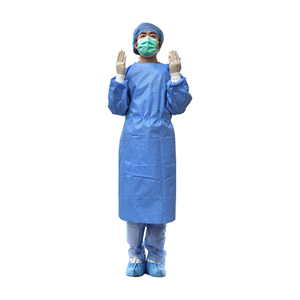

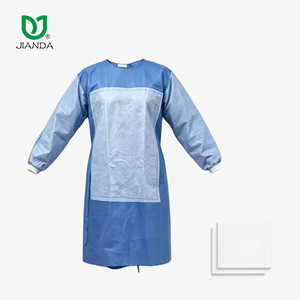
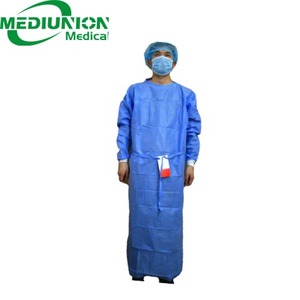
In modern healthcare systems, healthcare-acquired infections (HAIs) and surgical site infections (SSIs) represent a paramount clinical challenge. The integrity of a **Sterile Barrier System (SBS)** is the definitive line of defense protecting medical instruments from pathogen contamination between the point of sterilization processing and the sterile field in the operating theatre. When evaluating **CE Certified Sterilization Pouches Factories & Factory Direct Supply**, international healthcare procurement directors, group purchasing organizations (GPOs), and OEM medical distributors must look beyond unit price to assess polymer extrusion chemistry, seal strength physics, microbial penetration metrics, and compliance with the stringent European Union Medical Device Regulation (EU MDR 2017/745).
Core Procurement Insight: A CE mark on a sterilization pouch is not merely a label; it represents rigorous compliance with EN 868 and ISO 11607 standards. Choosing a certified factory equipped with ISO Class 7/8 cleanrooms guarantees that particulate contamination and pinhole seal defects are virtually eliminated at the source.
The global regulatory landscape for medical packaging has shifted dramatically from legacy directives (MDD 93/42/EEC) to the mandatory EU MDR framework. Under EU MDR rules, sterilization pouches are recognized as critical active or non-active sterile barrier accessories directly impacting patient safety. Manufacturing facilities producing CE-certified sterilization packaging must operate under validated Quality Management Systems certified to **ISO 13485:2016**.
Two essential technical standards govern the engineering and validation of medical sterilization packaging:
High-performance medical sterilization pouches are sophisticated composite laminates engineered to allow rapid gas or steam penetration during the sterilization cycle while preventing microbial re-entry during transport and shelf storage. Leading **CE certified sterilization pouches factories** manufacture three principal product variations:
Constructed using high-density 60g/m² to 70g/m² virgin cellulose medical paper heat-sealed to a multi-layer transparent Polyethylene Terephthalate (PET) and Polypropylene (PP) co-extruded film. Medical-grade paper features controlled porosity, enabling rapid air evacuation and steam/EO penetration, followed by fiber swelling that seals the microscopic pores during drying.
Designed specifically for low-temperature Vaporized Hydrogen Peroxide (VHP) gas plasma sterilization. Tyvek®—a high-density polyethylene (HDPE) spunbonded non-woven substrate—is immune to chemical degradation caused by hydrogen peroxide gas. It delivers exceptional tear strength, puncture resistance, and near-zero linting compared to conventional paper substrates.
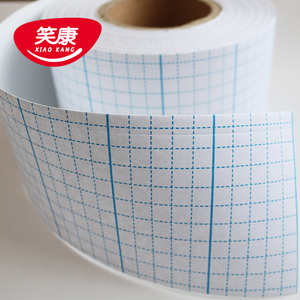
Self-sealing pouches utilize a pressure-sensitive medical-grade adhesive strip with a pre-folded crease, ideal for outpatient clinics and dental practices. Heat-sealing flat or gusseted reels allow CSSD technicians to cut custom pouch lengths for bulky surgical tray sets, sealed using continuous rotary thermosealers.
| Pouch Category | Material Substrate | Sterilization Compatibility | Peel Strength (ASTM F88) | Key Advantage |
|---|---|---|---|---|
| Standard Heat-Seal Flat Pouch | 60g/70g Medical Paper + PET/PP Film | Steam Autoclave, EO Gas | 1.5 N/15mm – 3.0 N/15mm | Cost-effective, clear visual seal inspection |
| Gusseted Sterilization Reel | 70g Reinforced Paper + PET/PP Film | Steam, EO Gas | 2.0 N/15mm – 3.5 N/15mm | Expands volume for 3D surgical instrument sets |
| Tyvek® Plasma Pouch | DuPont™ Tyvek® 1073B / PE Film | VHP Hydrogen Peroxide Plasma, Gamma | 3.0 N/15mm – 5.0 N/15mm | Superior puncture resistance, hydrophobic barrier |
| Self-Seal Medical Pouch | 60g Paper + Medical Adhesive Tape | Steam, EO Gas | 1.2 N/15mm – 2.5 N/15mm | No external heat-sealer required for instant sealing |
When selecting a reliable manufacturer or supplier for bulk sterilization pouch sourcing, procurement auditors must conduct rigorous operational evaluations across four core factory competency areas:
Medical packaging must be extruded, converted, printed, and packaged inside certified cleanrooms (Class 100,000 / ISO 8 or higher) compliant with ISO 14644. Environmental monitoring must control bioburden levels, airborne particulate counts, relative humidity, and positive air pressure differentials to avoid embedding contaminants into heat-seal margins.
Verified factories incorporate non-toxic, lead-free water-based chemical indicators printed directly on the pouch surface. These process indicators change color predictably when exposed to specific sterilization parameters (e.g., Steam turns from Pink to Brown/Black; EO turns from Blue to Yellow/Brown), providing immediate visual confirmation to operating room personnel.
A critical failure mode of low-quality pouches is paper tearing or particulate shedding during opening, which introduces cellulose fibers into sterile surgical sites. Advanced factory laminators utilize targeted water-based heat-seal coatings that ensure a continuous, fiber-free peel strength without tearing the paper layer.
Direct manufacturing plants must operate an internal testing laboratory equipped for continuous batch quality control, including:
The medical sterile packaging sector is undergoing rapid technological evolution driven by sustainability mandates and supply chain traceability. Key market trends transforming B2B purchasing include:
With global healthcare organizations committing to carbon reduction, factories are innovating recyclable mono-material polyolefin films and bio-based polymers. Reducing film gauge while maintaining puncture strength lowers plastic consumption without compromising barrier performance.
European MDR and US FDA regulations require full traceability for reusable surgical trays. Modern sterilization pouch factories are integrating high-resolution GS1 DataMatrix code printing directly onto pouch webs, allowing hospital CSSDs to scan and track instrument sets automatically through electronic inventory management systems.
For complex orthopedic, cardiovascular, and neurological procedure packs, double-pouching (nesting an inner sterile pouch inside an outer protective pouch) has become standard operating practice. Factories are offering matched-size inner and outer pouch combination systems optimized for aseptic transfer.
Over two decades of specialized expertise in medical sterile packaging, surgical drapes, and infection prevention solutions.
Maintained CE marking continuously since 2008, certified under EU MDR 2017/745, ISO 13485:2016, SFDA, and BIS standards. Full technical dossiers supplied for import registration.
Every production lot undergoes rigorous internal lab validation for barrier integrity, peel strength, hydrostatic pressure resistance, and particle linting against ISO and ASTM protocols.
Recognized Star Export House supplying government health departments, hospital networks, and private-label medical brands across 25+ countries spanning 5 continents.
Complete packaging adaptation including custom pouch sizing, branding artwork, multi-language instructions for use (IFU), and special barcode serialization.
State-of-the-art cleanroom environments (ISO Class 7 and 8) housing automated pouch conversion lines, high-speed slitting, and medical lamination systems.
An experienced team of bio-engineers, regulatory specialists, and quality control experts providing seamless technical and tender submission support.
Our quality management systems and sterile packaging lines are independently audited and certified by leading global notified bodies.
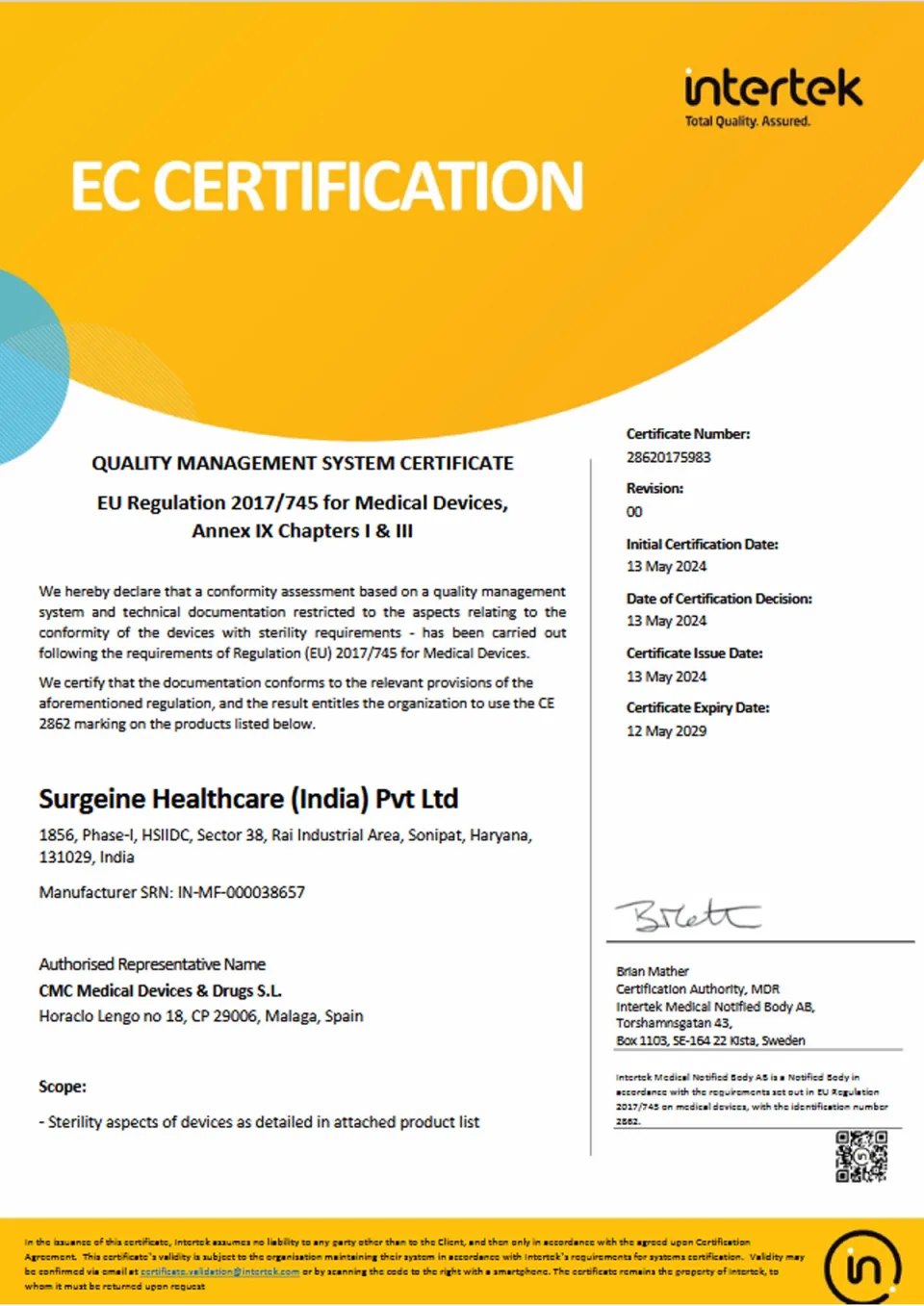 CE MDR 2017/745
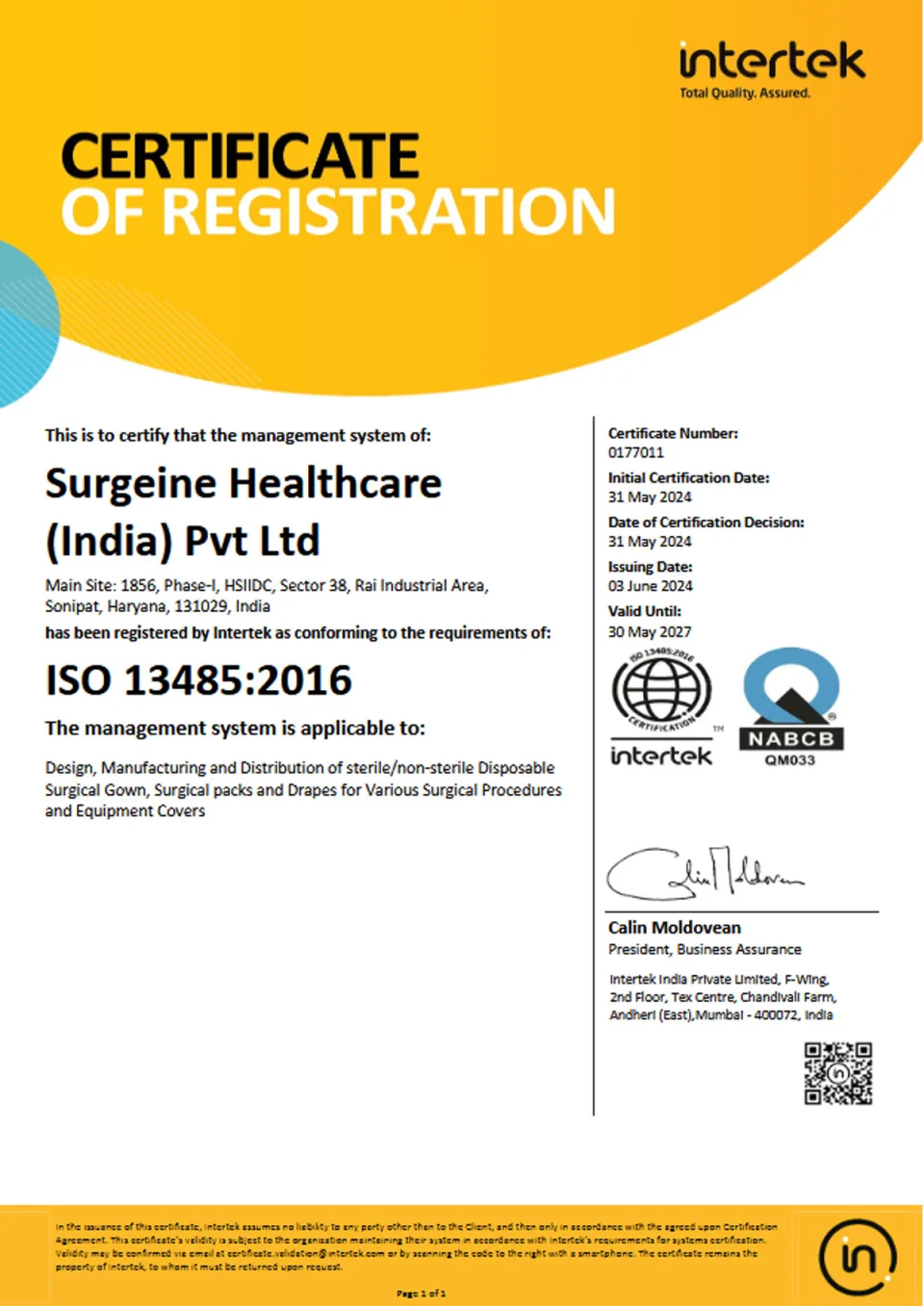 ISO 13485:2016
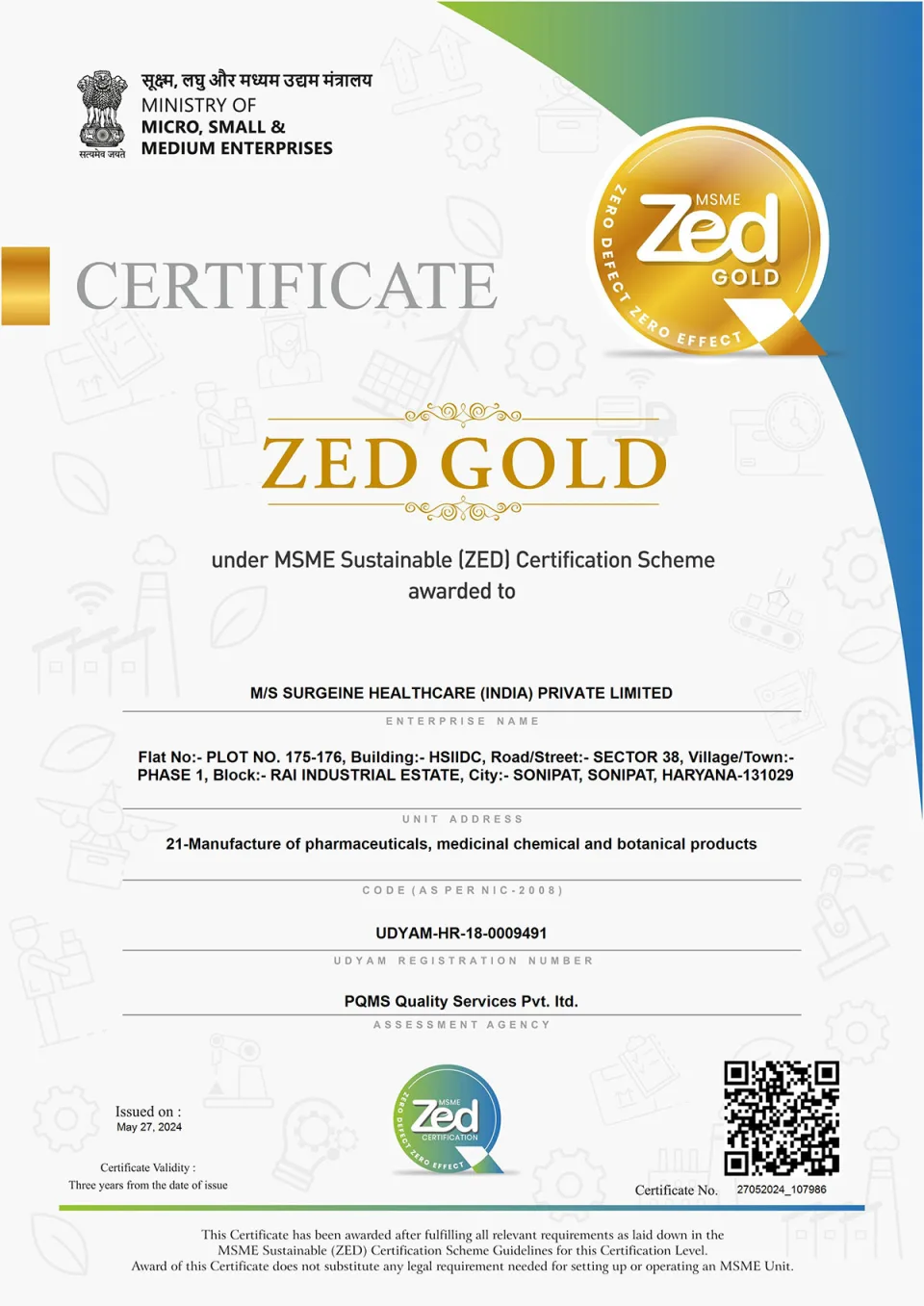 ZED Gold Certified
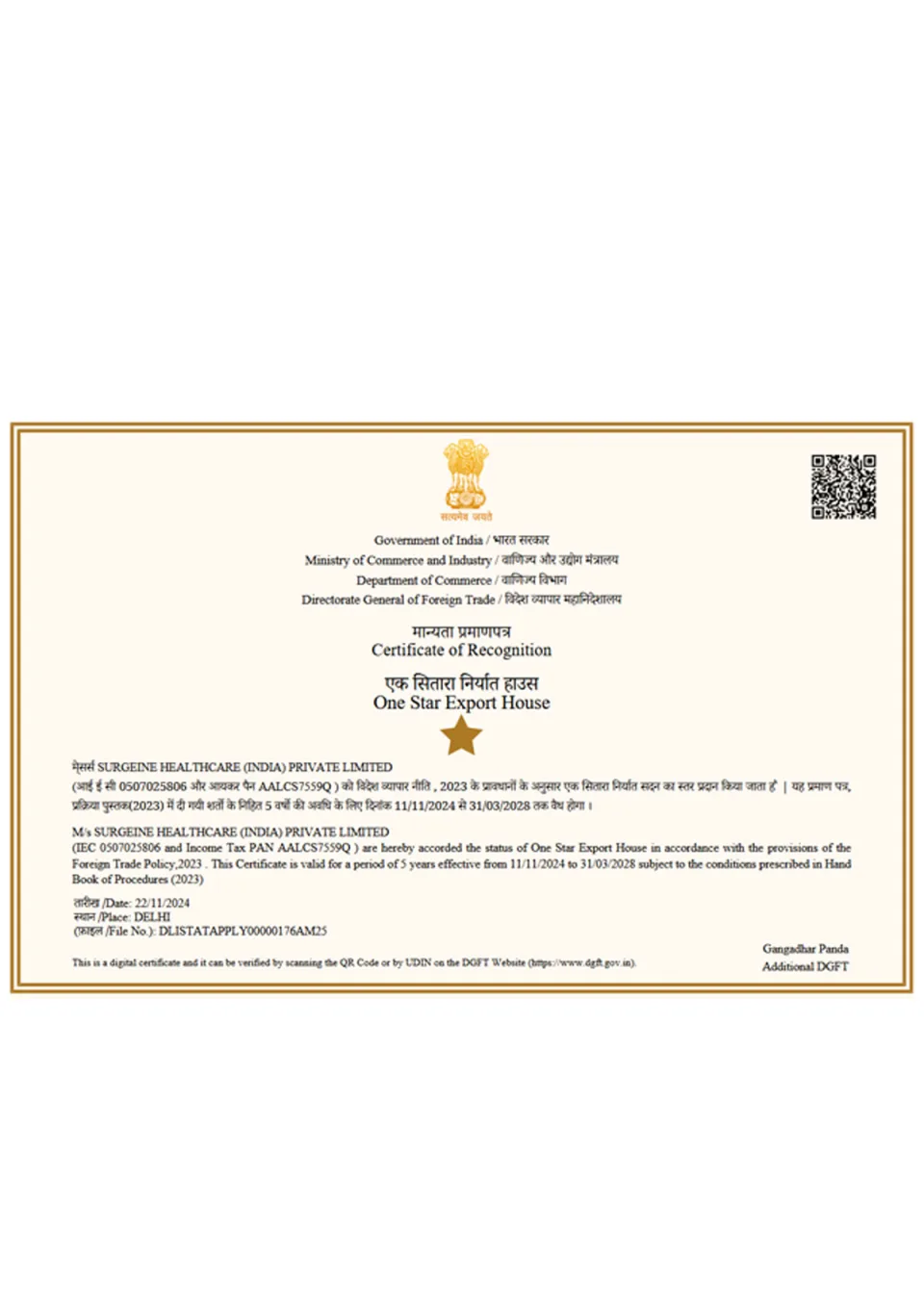 Star Export House
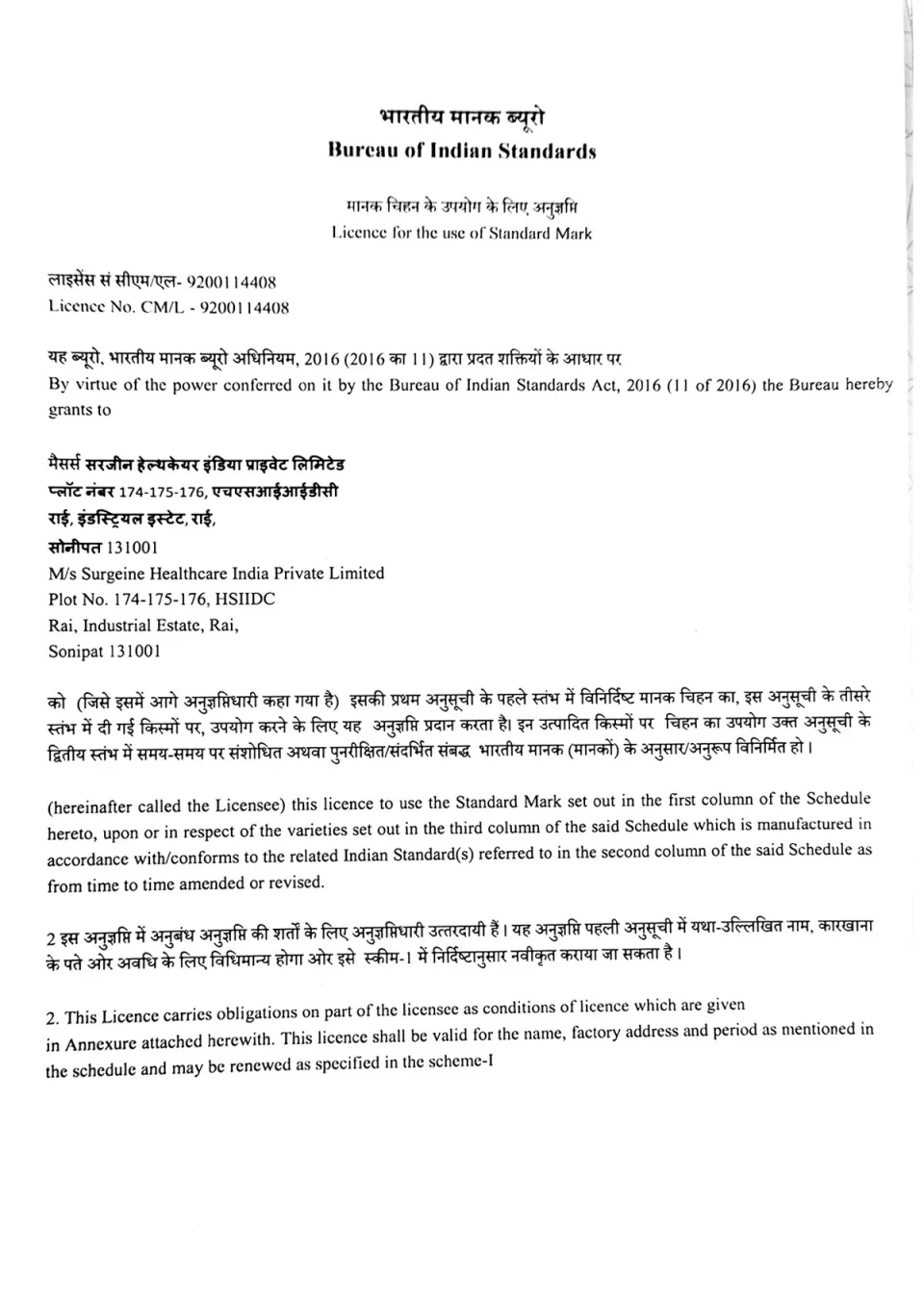 BIS Approved
Direct answers to common technical and commercial queries from hospital procurement heads and medical distributors.
Our sterilization packaging lines are manufactured under an ISO 13485:2016 quality management system and hold valid CE marking compliant with European Union Medical Device Regulation (EU MDR 2017/745). Materials and pouch structures conform strictly to EN 868 parts 2–5 and ISO 11607-1/2 standards for sterile barrier systems. Declarations of Conformity, biocompatibility test reports, and technical files are provided with every contract order.
Yes. As a direct primary manufacturer, we support comprehensive OEM and private-label programs. Pouch dimensions, gusset depths, paper weights (60g/m² or 70g/m²), Tyvek® grades, indicator print patterns, carton packaging, and multi-language instructions for use (IFU) can be tailored precisely to match your brand specifications and target market regulations.
Medical-grade paper combined with PET/PP film is optimized for high-temperature Steam Autoclave and Ethylene Oxide (EO) gas sterilization. DuPont™ Tyvek® is a synthetic HDPE material that is totally water-resistant and non-reactive with hydrogen peroxide, making it the required standard for low-temperature Vaporized Hydrogen Peroxide (VHP) Gas Plasma sterilization, while offering double the tear strength of paper.
Our continuous rotary sealers apply calibrated temperature, pressure, and dwell time. We utilize advanced water-based dispersion seal coatings on the film interface. This ensures strong seal strength (compliant with ASTM F88 minimum 1.5N/15mm) while guaranteeing a clean, continuous peel without peeling cellulose fibers into the sterile surgical field.
Our dedicated regulatory department provides complete dossier support, including Free Sale Certificates (FSC), ISO 13485 certificates, CE Certificates under EU MDR 2017/745, Sterilization Validation Reports (ISO 11135 / ISO 17665), Accelerated Shelf-Life Aging Data, and packaging artwork layout files.
Whether you require factory bulk supply of heat-seal sterilization reels, custom procedure packs, or certified surgical gowns, our technical team is ready to assist with specifications, samples, and tender pricing.