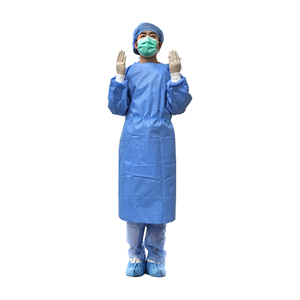

Directly manufactured in ISO 13485-certified Class 100,000 cleanrooms. Engineered against AAMI PB70 and EN 13795 specifications for rigorous perioperative liquid containment and microbial barrier control.
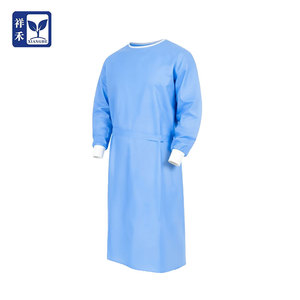
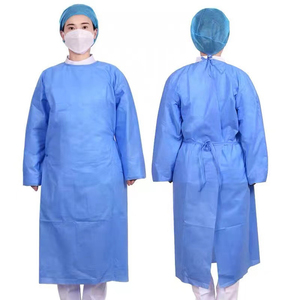
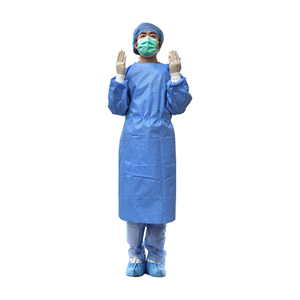

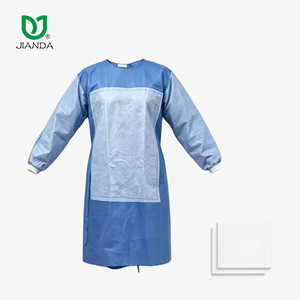
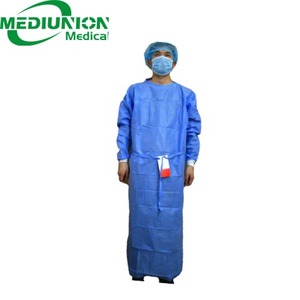
In modern perioperative risk management, medical trays and procedure packs are no longer treated as simple passive containers. They constitute the primary physical barrier and organization system protecting surgical instruments, drapes, and specialized disposables from contamination during storage, transit, and theatre setup.
Selecting a certified CE Certified Medical Trays Manufacturer requires an empirical understanding of European Union Medical Device Regulation (EU MDR 2017/745) Annex I General Safety and Performance Requirements (GSPR). For custom procedure trays (CPTs) and sterile rigid packaging, compliance mandates rigorous bioburden verification, chemical characterization, and physical transit simulation under ASTM D4169.
Sterile medical trays engineered by top-tier factories utilize thermoformed polymers such as Polyethylene Terephthalate Glycol (PETG), High-Impact Polystyrene (HIPS), or medical-grade Polypropylene (PP). These materials undergo continuous validation to guarantee that barrier integrity is preserved after Ethylene Oxide (EO) sterilization or Gamma Irradiation without polymer embrittlement or toxic leaching.
| Tray Polymer / Substrate | Tensile & Impact Resistance | Sterilization Compatibility | Particle Generation / Linting | Target Clinical Application |
|---|---|---|---|---|
| Thermoformed PETG Rigid Trays | High Structural Rigidity, Fracture Resistant | EO Sterilization, Gamma Ray (up to 50 kGy) | Zero Particle Shedding (Class 5 Cleanroom ready) | Orthopedic Implants, Complex Procedure Kits |
| Polypropylene (PP) Utility Bowls & Trays | High Thermal Tolerance, Flexible Polymer | Autoclave Steam (134°C), EO Sterilized | Ultra-low Particle Generation | Fluid Basin Packs, General Surgery Preps |
| SMS / SMMS Non-woven Tray Wraps | High Hydrostatic Head (>50 H2O) | Ethylene Oxide (EO), Steam, E-Beam | Virtually Non-Linting (EN 13795 compliant) | Sterile Outer Barrier for Procedure Packs & Gowns |
| Medical Grade Tyvek® Laminated Trays | Puncture Resistant, Dynamic Breathability | EO Sterilization, Plasma, Gamma | Zero Fiber Tear upon Peel Opening | Class IIb & Class III Invasive Surgical Trays |
Global healthcare procurement is shifting rapidly from fragmented itemized purchasing to unified, pre-assembled custom procedure packs. Hospital Group Purchasing Organizations (GPOs) and international medical distributors are optimizing supply chains through key structural transformations.
Hospitals are aggressively replacing individual sterile component purchasing with consolidated procedural trays containing matching drapes, AAMI Level 4 reinforced gowns, bowls, and surgical accessories. This trend cuts operating room setup times by up to 40% and drastically reduces clinical packaging waste.
Regulatory tightening in Europe and Latin America means procurement managers are dropping legacy suppliers without full technical files. Factories holding valid CE certificates under EU MDR 2017/745 (obtained post-2023) offer uninterrupted compliance security and simplified import clearance.
To mitigate geopolitical supply chain shocks, major GPOs require manufacturing partners to control internal lamination, extrusion, cleanroom assembly, and packaging. Direct factory ownership eliminates secondary vendor delays and ensures end-to-end lot traceability.
Modern non-woven surgical gowns and tray protective layers have evolved from solvent glues to ultrasonic thermal bonding. Ultrasonic sealing eliminates pinholes, optimizes barrier resistance against blood-borne pathogens, and prevents allergic chemical responses.
Next-generation medical trays incorporate Chlorhexidine Gluconate (CHG) antimicrobial coatings and active fluid-absorption zones. This innovation actively suppresses bacterial colonization (such as MRSA and E. coli) on the surgical field during long procedures.
In accordance with FDA UDI (Unique Device Identification) and GS1 global standards, automated thermoforming lines print high-density DataMatrix codes directly on medical trays, permitting instant hospital inventory tracking and automatic recall management.
Since 2002, our manufacturing network (Surgeine Healthcare & Haixin Health facilities) has operated with a single focus: total control of the sterile surgical environment. Our integrated plants provide global healthcare providers with unmatched consistency.
Operating across dedicated facilities—including a specialized procedure tray assembly facility commissioned in 2023—equipped with ISO Class 7 (10,000) and Class 8 (100,000) cleanrooms for zero-contamination molding, folding, and packaging.
Our quality management systems maintain ISO 13485:2016 accreditation, uninterrupted CE marking maintained since 2008, EU MDR 2017/745 re-certification, SFDA approvals, BIS licensing, and ZED Gold rating for lean, eco-friendly production.
Every production batch undergoes strict in-house laboratory evaluation: hydrostatic head liquid pressure testing, Mullen burst strength assessment, synthetic blood penetration trials (ASTM F1671), and linting resistance verification against EN 13795 protocols.
Our facilities operate under a certified ISO 13485:2016 Quality Management System. Product lines carry official CE Marking under the revised EU MDR 2017/745 regulation. Furthermore, we maintain SFDA registration, Indian BIS certification, and ZED Gold quality accreditation. Full technical files, Declarations of Conformity, and EO sterilization residual test reports (ISO 10993-7) are furnished upon inquiry.
Yes. Our dedicated custom kit production unit commissioned in 2023 allows complete OEM/ODM customization. Hospital clients can specify exact tray dimensions, polymer thickness, component sequence, drape size, AAMI Level 2-4 gown specifications, CHG prep applicators, folding orientation, multi-language labeling, and specialized sterile wrapping.
Barrier performance is classified against AAMI PB70 (Levels 1 through 4) and European Standard EN 13795. Critical zones undergo hydrostatic head testing (AATCC 127) and liquid impact penetration resistance (AATCC 42). For AAMI Level 4 gowns and high-risk procedure wraps, viral penetration resistance is verified using ASTM F1671 testing with Phi-X174 bacteriophage.
Standard OEM production cycles range from 20 to 35 days depending on component availability and custom artwork sign-offs. MOQs depend on whether standard SKUs or fully customized thermoformed trays are selected. Sample kits for clinical evaluation and hospital registration dossiers can be dispatched within 7 business days.
Absolutely. We export to over 25 countries across Europe, the Middle East, Asia-Pacific, and the Americas. Our dedicated regulatory affairs department prepares complete technical dossiers (STED), certificates of free sale (CFS), stability study data, and localized packaging artwork to streamline product registration with local health authorities.