
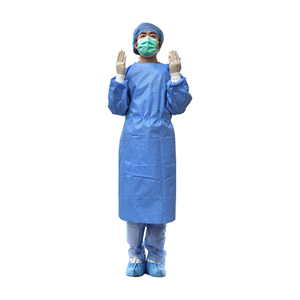
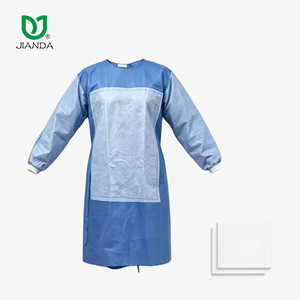
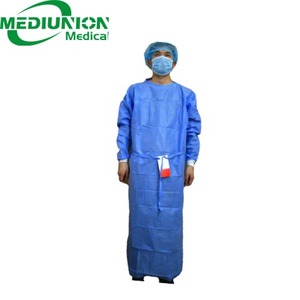
Standardized sterile procedure gowns, fluid-barrier drapes, and specialized infection prevention components manufactured under 100K class cleanroom standards.

An in-depth technical analysis on how integrated CE-marked dialysis procedure packs elevate barrier protection, satisfy EU MDR 2017/745 compliance, and reduce catheter-related bloodstream infections in chronic renal care units.
Hemodialysis patients undergoing long-term vascular access maintenance—whether via Arteriovenous Fistula (AVF), Arteriovenous Graft (AVG), or Central Venous Catheter (CVC)—face heightened vulnerability to hospital-acquired infections (HAIs). Catheter-Related Bloodstream Infections (CRBSI) represent one of the leading causes of morbidity in nephrology wards worldwide.
Traditional piecemeal procurement—sourcing gauze, drape sheets, CHG applicators, fistula needles, and adhesive dressings independently—introduces severe variability in aseptic technique. By transitioning to standardized, single-use CE Certified Dialysis Kits, hospital networks establish a uniform barrier control protocol. Every kit is assembled in ISO Class 8 (100,000) or Class 7 cleanrooms, ensuring ultra-low particulate contamination and validated Ethylene Oxide (EO) sterility (SAL 10⁻⁶).
With the complete enforcement of the European Union Medical Device Regulation (EU MDR 2017/745), healthcare importers, distributors, and hospital procurement bodies face strict regulatory scrutiny regarding technical file documentation, clinical evaluation reports (CER), and post-market surveillance (PMS).
As an established manufacturer operating under an audited ISO 13485:2016 Quality Management System, our dialysis procedure kits, surgical gowns, and infection prevention products carry validated CE certification. We provide complete regulatory transparency, providing B2B buyers with complete technical dossiers, biocompatibility data (ISO 10993 series), chemical residual limits, and packaging integrity validation (ISO 11607).
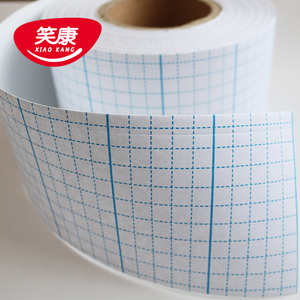
Unlike generic medical consumable suppliers, specialized dialysis kit manufacturers differentiate between the "On-Dialysis Protocol" (Cannulation & Line Connection) and the "Off-Dialysis Protocol" (Decannulation, Hemostasis & Catheter Care). An optimized kit configuration matches the exact clinical sequence: On-kits prioritize high-absorbency fenestrated drapes with skin prep (CHG 2% in 70% IPA swabsticks) and blood-line stabilizing tapes, while Off-kits incorporate targeted hemostatic compresses, latex-free compression dressings, and sealed disposal containment bags.
Tailored tray layouts customized to regional hospital guidelines, tender requirements, and private-label specifications.
| Kit Sub-Category | Core Component Composition | Barrier / Material Standard | Clinical Purpose |
|---|---|---|---|
| AVF / AVG Cannulation Set (On-Dialysis) | Fenestrated drape with adhesive slit, CHG swabsticks, non-woven gauze swabs (7.5x7.5cm), latex-free tourniquet, protective gloves, blood line securing strip. | EN 13795 High Performance Non-Woven; Hydrostatic Head > 50 cm H₂O; Low-linting. | Establishes a sterile field around the fistula site during needle insertion and arterial/venous line coupling. |
| Decannulation & Hemostasis Set (Off-Dialysis) | Absorbent bib/underpad, cellulose/non-woven hemostatic pads, adhesive bandage strips, biohazard waste pouch, antiseptic wipes. | PE Laminated Absorbent Tissue (3-ply); Impervious bottom layer to prevent fluid strike-through. | Manages post-dialysis needle withdrawal, achieving rapid hemostasis while maintaining strict exudate containment. |
| CVC Dual-Lumen Catheter Care Kit | Sterile transparent semi-permeable film dressing, chlorhexidine skin prep applicator, split gauze swabs, lumen clamps, injection caps, mask with visor. | AAMI PB70 Level 3/4 Gown/Drape fabrics; Moisture Vapor Transmission Rate (MVTR) > 3000g/m²/24h for dressings. | Protects temporary and tunnelled central venous catheters from exit-site colonization and systemic bacteremia. |
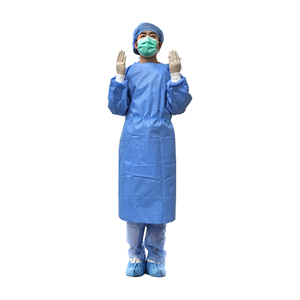
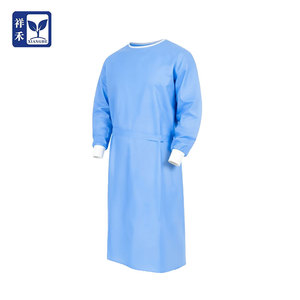
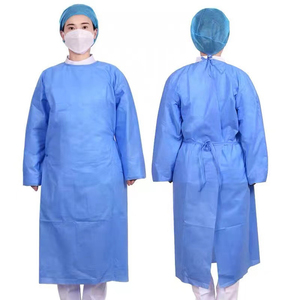
| Comprehensive Nephrology Procedure Tray | Reinforced AAMI Level 4 gown, utility drape sheet, tray container with integrated compartments, gallipot, forceps, wound dressing kit, limb drape. | SMMS / Non-woven Polypropylene (45-60 gsm); ISO 11607 sterile barrier pouch packaging. | Full-scale sterile kit for complex vascular access creation, catheter insertion, or surgical repair in operating suites. |
Referencing decades of manufacturing heritage, four dedicated plants, and in-house laboratory controls engineered for high-volume global delivery.
Operating since 2002, our manufacturing footprint includes four specialized units, including a dedicated state-of-the-art procedure pack facility commissioned in 2023. Equipped with ISO Class 7 (10,000) and Class 8 (100,000) controlled environments, we maintain complete control over raw material selection, hotmelt lamination, ultrasonic welding, automated kit assembly, and medical pouch sealing.
Quality assurance is verified prior to batch release. Established in 2020, our internal testing facility assesses key physical and biological metrics: hydrostatic pressure resistance (AAMI PB70 / EN 20811), particle linting (EN 13795), tensile and bursting strength, EO sterilization residuals (ISO 10993-7), and packaging seal integrity (ASTM F88). Retained samples are archived for every production lot.
Recognized as a Star Export House, we export medical disposables to over 25 countries across Europe, the Middle East, Asia-Pacific, and the Americas. We actively support regional importers, group purchasing organizations (GPOs), and healthcare authorities with complete OEM / private-label branding, customized artwork adaptation, multi-language IFU leaflets, and container logistics optimization.
Navigating environmental sustainability, supply chain resilience, smart packaging, and regulatory convergence in clinical purchasing.
The medical industry is shifting towards eco-responsible procurement. Single-use dialysis kits generate significant packaging waste across weekly treatments. Future-ready manufacturers are actively integrating ultra-thin, high-barrier bio-based PP non-wovens, bio-degradable pouch films, and pack right-sizing algorithms. By streamlining component dimensions without compromising sterile boundary zones, procurement directors achieve a 15–20% reduction in plastic mass per procedure.
Global healthcare crises exposed vulnerabilities in single-region supply chains. Hospital groups and government health tenders now mandate dual-sourcing models with established export manufacturers holding multi-plant capability. Facilities backed by in-house hotmelt lamination, medical packaging, and direct raw material contracts ensure uninterrupted delivery schedules during freight disruptions or regional surges in clinical demand.
Modern renal centers are adopting automated inventory management systems. Pre-packaged dialysis procedure kits featuring GS1 DataMatrix barcodes and RFID-tagged cartons allow real-time tracking from warehouse arrival to patient bedside. This ensures 100% lot-level traceability, seamless recall management, automated expiry tracking, and simplified cost allocation per dialysis session.
Forward-thinking procurement managers are replacing simple unit-cost buying with Total Cost of Care evaluations. Buying cheap, unverified disposables often leads to higher infection rates, prolonged hospital stays, and increased antibiotic consumption. Investing in high-performance CE MDR-certified procedure packs lowers overall clinical liabilities, protects hospital reputation, and stabilizes long-term operating budgets.
Addressing common regulatory, customization, quality, and commercial inquiries from global medical distributors and hospital buyers.