
ISO 13485:2016 · CE Marked under EU MDR 2017/745 · Exporting to 25+ Countries +91 9266125395 [email protected]
Surgeine Healthcare logo
0%

Choosing among Surgical Scrub Brushes is more complex than comparing bristle color or package size. Each type serves a different clinical purpose. Common options include disposable brushes, reusable brushes, sponge-brush combinations, soft-bristle models, and brushes with nail cleaners. Some products also contain antiseptic solutions, but their performance depends on the labeled formulation and correct use.

A disposable brush is often selected for convenience and controlled handling. It arrives sealed and ready for one procedure. Reusable brushes may reduce waste, yet they demand validated cleaning, disinfection, and storage processes. Sponge-brush designs can feel gentler on wet skin. Their softer surface may suit frequent hand preparation. Firm nail cleaners help remove visible debris beneath fingernails, where residue can remain unnoticed. Small details matter.

Clinical teams should follow facility policy, infection prevention guidance, and the manufacturer’s instructions for use. A product’s material, packaging, skin tolerance, and disposal requirements deserve careful review. Antimicrobial claims should never replace proper hand hygiene technique or required surgical preparation protocols. The brush supports the process; it does not perform the process alone.

The neat categories can mislead. A stiff brush may feel effective but irritate skin after repeated use. A soft brush may feel comfortable but fail to meet a specific department’s expectations. This is where professional judgment matters. Staff feedback, product testing, and documented procurement criteria can reveal practical problems before routine adoption. The best choice balances hygiene requirements, user comfort, workflow, environmental considerations, and reliable supply. Not every popular option fits every operating room. That conclusion may sound obvious, but real purchasing decisions often overlook it.
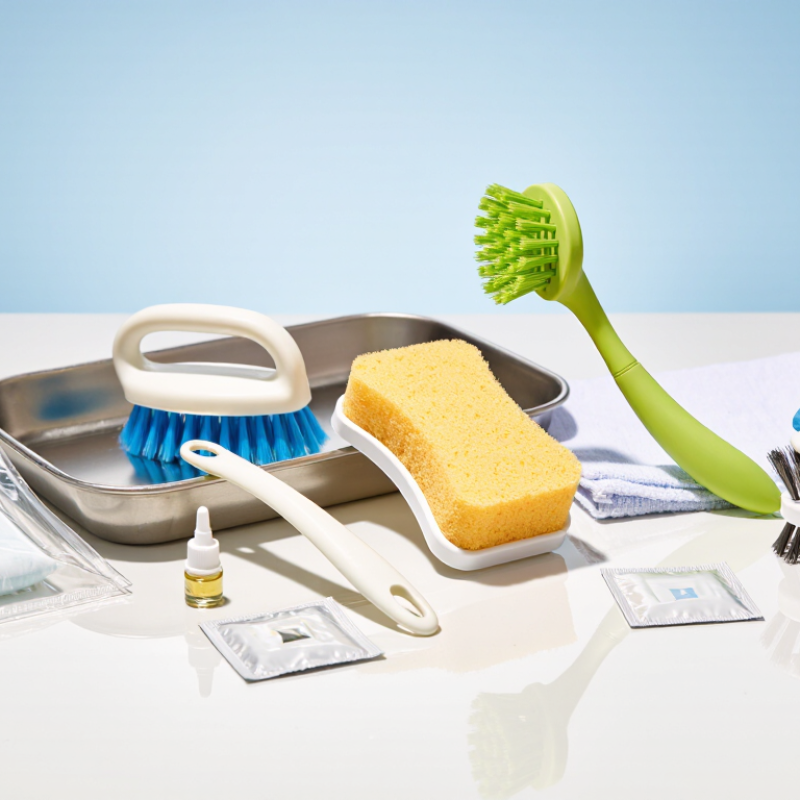
What Are the Top Types of Surgical Scrub Brushes?

What Are Surgical Scrub Brushes and Why Are They Used?

Surgical scrub brushes are specialized tools used to clean the hands and forearms before selected sterile procedures. Their bristles create friction around the nails, fingertips, palms, and wrists. Some brushes contain an antimicrobial cleansing solution, while others require a separate surgical cleanser. They are used to reduce temporary microorganisms and visible soil before sterile gloves are worn. However, a brush is not a substitute for approved hand hygiene protocols.

Common types include soft sponge-brush combinations, nail-cleaning brushes, and dry brushes used with a prepared antiseptic solution. Soft sponges can spread cleanser across the skin without excessive abrasion. Nail cleaners target debris beneath the free edge of each nail. Dry brushes offer flexibility, but staff must apply the correct cleanser and follow facility instructions.

Brush stiffness matters. Hard bristles may cause tiny skin injuries.

In practice, the user should check the package, expiration date, and sterility indicator before opening it. Wet hands first when required, clean beneath the nails, and rinse thoroughly. The brush should never be shared unless it is specifically designed for validated reprocessing. The brush is useful, but not flawless. Excessive scrubbing may irritate the skin and increase dryness. Evidence-based facilities should balance microbial reduction with skin protection, then review their procedure when staff report cracking, redness, or discomfort.

How Do Disposable Surgical Scrub Brushes Differ from Reusable Ones?

Disposable and reusable surgical scrub brushes differ most in handling, consistency, and waste. A disposable brush arrives clean and ready for one procedure. Its sealed packaging makes the point-of-use workflow simple. No reprocessing queue. But each brush adds packaging and post-use waste, and stock can run short during busy shifts.

Reusable brushes can reduce single-use purchasing, but only when validated cleaning and disinfection are available. Staff must follow the device instructions, track each brush, and inspect bristles for wear. That takes time. A brush that looks clean may still need proper reprocessing.

The World Health Organization’s Guidelines on Hand Hygiene in Health Care (2009) advise against routine nailbrush use for surgical hand preparation; nails can be cleaned with a nail cleaner instead. The CDC’s Guideline for Hand Hygiene in Health-Care Settings (2002) also directs teams to follow the antiseptic product’s stated scrub time.

These recommendations matter more than brush preference. In practice, compare total cost per use, reprocessing capacity, packaging, and local infection-prevention policy—not purchase price alone. A small detail, such as a damp handle left beside a sink, can expose gaps in storage and workflow.

What Are the Main Types of Surgical Scrub Brush Bristles?

What Are the Main Types of Surgical Scrub Brush Bristles?

Surgical scrub brushes usually use nylon, polyester, or softer synthetic bristles. Nylon is common because it offers consistent shape, reliable stiffness, and good durability. Its texture can range from soft to firm. Polyester bristles often feel more resilient and may retain their shape during use. However, stiffness varies by design, not only by material.

Soft bristles can reduce skin irritation during repeated surgical hand preparation. Firm bristles may clean around fingernails more effectively, but excessive pressure can damage the skin barrier. Natural bristles exist, though they are less common in modern clinical settings. They may absorb moisture and show greater variation between batches. Some brushes also combine bristles with a sponge, while others use smooth silicone nubs instead of traditional bristles. These alternatives can feel gentler, but they are not automatically better. Evidence and facility protocols should guide the choice.

Tips: Check the brush’s sterility, bristle softness, and intended use before opening it. Follow the approved scrub time and antimicrobial instructions. Do not scrub aggressively. Healthy skin matters. Inspect the brush for loose fibers or damaged packaging, and discard compromised products. A practical review should include staff comfort, cleaning performance, and compatibility with local infection-control procedures. There is no perfect brush for every hand or every protocol.

Which Surgical Scrub Brushes Include Antiseptic Solutions?

What Are the Top Types of Surgical Scrub Brushes?

Surgical scrub brushes usually fall into several practical types. Dry brushes support mechanical cleaning with water and approved antiseptic soap. Sponge-brush combinations feel gentler on the skin. Nail cleaners target debris beneath fingernails. Some designs include a small plastic pick, although excessive use may cause irritation.

The key difference is whether the brush contains an antiseptic solution. Antiseptic-impregnated brushes commonly use chlorhexidine gluconate, povidone-iodine, or another approved formulation. The correct choice depends on facility policy, skin sensitivity, and the procedure’s required contact time. Always follow the product label and institutional surgical hand-preparation protocol. A brush may look convenient, but convenience cannot replace correct technique.

Fit matters. A brush should open easily, release enough solution, and remain comfortable during the recommended scrub period. Staff should check packaging integrity, expiration dates, and single-use instructions. The practical weakness is easy to miss: more scrubbing does not always mean cleaner hands. It may increase dryness, redness, or small skin breaks. Some users also assume every antiseptic formula works the same way. It does not. Allergy history, hand condition, water access, and local infection-control guidance all deserve attention. Even a well-designed brush can be the wrong option for one clinician.

How Should Healthcare Workers Choose the Right Scrub Brush?

Choosing a surgical scrub brush starts with the facility’s approved hand-antisepsis protocol, not the brush’s appearance. Follow the antiseptic product label and local infection-control guidance; some protocols use a sponge or nail cleaner without brushing the skin. That detail matters. Repeated, vigorous scrubbing can irritate or damage skin, so a rough brush is not automatically more effective.

Check whether the brush is sterile and single-use or designed for validated reprocessing. A sealed, sterile, disposable unit can simplify handling, while reusable models require clear cleaning and sterilization instructions. Confirm that the brush is compatible with the antiseptic in use. Bristles should clean around nails without scratching, and any nail pick should be smooth and easy to control. Harsh bristles are a poor fit.

Practical details matter during a busy shift. Choose a shape that stays secure when wet and opens without contaminating the brush. Check that it allows access to fingertips and nail folds. Inspect packaging and follow the product instructions before use. If workers notice redness or dryness, ask infection-prevention or occupational-health staff to review technique and product compatibility. Switching to a softer brush may not solve the problem.

FAQS

What is a surgical scrub brush used for?

It cleans hands and forearms before selected sterile procedures.

Which areas should be cleaned with the brush?

Focus on fingernails, fingertips, palms, and wrists.

What types of scrub brushes are available?

Common types include sponge-brush combinations, nail cleaners, and dry brushes.

What materials are used for scrub brush bristles?

Nylon and polyester are common synthetic materials.

Are soft or firm bristles better?

Soft bristles may reduce irritation during repeated hand preparation.

How should a scrub brush be checked before use?

Check the package, expiration date, and sterility indicator.

How should a scrub brush be used safely?

Wet hands first when facility instructions require it.

Can surgical scrub brushes be shared?

Do not share a brush unless validated reprocessing is specifically allowed.

What problems can excessive scrubbing cause?

Excessive scrubbing may cause dryness, redness, cracking, or discomfort.

Conclusion

Surgical Scrub Brushes are specialized tools used by healthcare workers to clean the hands and forearms before procedures, helping remove visible debris and reduce microorganisms on the skin and beneath the nails. They are available in disposable and reusable forms. Disposable brushes are designed for single use, offering convenience and reducing the risk of transferring contaminants, while reusable brushes require proper cleaning, disinfection, and maintenance between uses.

The main bristle options include soft materials for sensitive skin, firmer bristles for thorough nail cleaning, and dual-sided designs that combine different textures. Some brushes are supplied with antiseptic solutions, such as antimicrobial cleansers, while others are dry and intended for use with a separate hand-washing product. When selecting a brush, healthcare workers should consider skin sensitivity, bristle firmness, product packaging, ease of use, environmental considerations, and the hygiene procedures required by their facility. The right choice should provide effective cleaning without causing unnecessary skin irritation.

Charlotte

Charlotte

Charlotte is a professional marketing specialist dedicated to helping businesses understand products, markets, and customer needs through clear, practical, and insightful communication. With a strong understanding of the company’s products, services, and industry applications, she transforms......