
ISO 13485:2016 · CE Marked under EU MDR 2017/745 · Exporting to 25+ Countries +91 9266125395 [email protected]
Surgeine Healthcare logo
0%

China has become a significant sourcing base for Protective Surgical Apparel, serving hospitals, laboratories, and medical distributors worldwide. Its manufacturers produce surgical gowns, isolation gowns, coveralls, caps, masks, and shoe covers. However, production volume alone does not prove dependable quality.

A stronger evaluation examines fabric performance, seam construction, barrier levels, sterilization compatibility, and factory traceability. It also considers whether suppliers can provide clear technical files, sample testing, and consistent batch records. A gown may look secure under bright factory lights, yet fail after repeated movement or fluid exposure. That detail matters.

Infection-prevention specialist Dr. William A. Rutala has emphasized, “The most important measure to prevent transmission of infection is hand hygiene.” His point remains relevant. Protective Surgical Apparel supports a wider safety system; it never replaces trained staff, correct donning, or proper disposal procedures.

This guide explores China’s top Protective Surgical Apparel manufacturers through practical procurement criteria. These include material expertise, cleanroom control, customization capability, export experience, and quality assurance. It also considers communication, lead times, and after-sales support. Some supplier claims may sound impressive but remain difficult to verify without samples and audits. That is where buyers must stay cautious.

The strongest manufacturer is not always the largest. Sometimes, a smaller factory offers better documentation and faster corrective action. This comparison aims to identify credible options while acknowledging an uncomfortable truth: no supplier is perfect, and product suitability depends on the intended clinical environment.
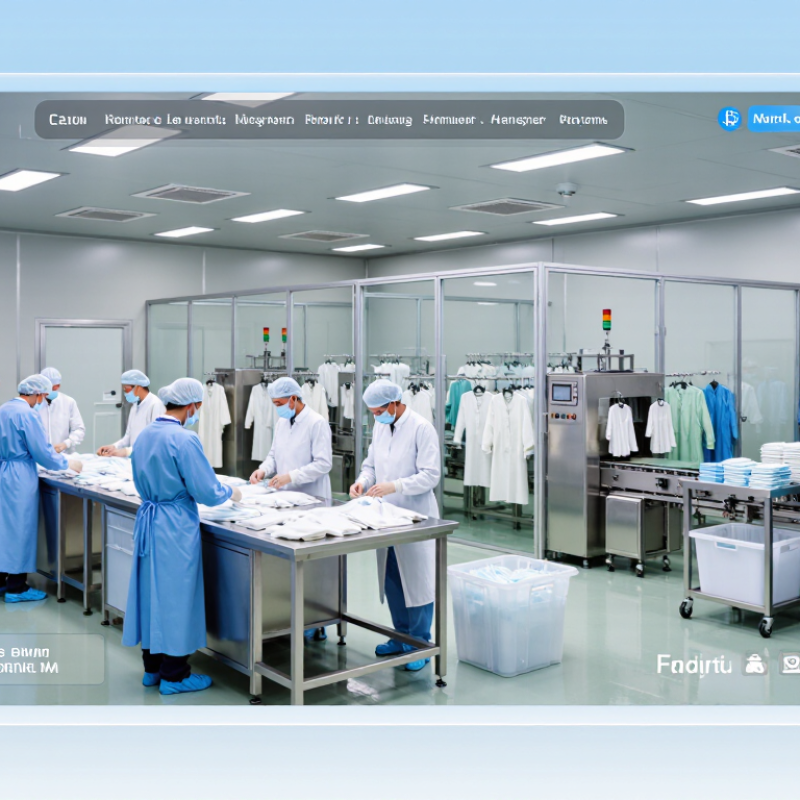
China Top Protective Surgical Apparel Manufacturers?

Types of Protective Surgical Apparel Manufactured in China

China’s protective surgical apparel manufacturers produce several garment types for operating rooms, clinics, and controlled treatment areas. Surgical gowns are common, with options ranging from standard fluid-resistant designs to reinforced gowns with extra chest and sleeve protection. Disposable gowns often use SMS nonwoven fabric, while reusable versions may use tightly woven polyester blends.

Other products include isolation gowns, full-body coveralls, surgical caps, hooded caps, sleeve covers, shoe covers, and patient drapes. Isolation gowns usually feature elastic cuffs and waist ties for quick adjustment. Coveralls provide wider coverage, especially around the back, ankles, and wrists. Some factories add PE film layers when stronger liquid resistance is needed. This can reduce breathability, though.

During supplier evaluations, I look beyond fabric names. Seam strength, cuff recovery, lint release, tear resistance, and packaging cleanliness matter in daily use. A gown may feel soft but still perform poorly at the seams. Manufacturers should provide batch records, material specifications, inspection reports, and traceable production data. Sterile products also require controlled packaging and validated sterilization compatibility.

Fit remains an overlooked issue. A large sleeve may catch on equipment, while a narrow back panel can expose clothing during movement. Good manufacturers test garments through bending, reaching, and repeated donning. No material solves every risk. Better protection often requires a careful balance between barrier performance, comfort, sizing, and practical workflow.

Safety Standards for Chinese Surgical Apparel Producers

China Top Protective Surgical Apparel Manufacturers?

Reliable Chinese surgical apparel producers treat safety standards as a production system, not a certificate on the wall. Buyers should verify whether gowns are sterile or non-sterile, reusable or disposable, and intended for low-risk or high-fluid procedures. These details determine the correct testing route.

A capable facility normally maintains documented quality controls under ISO 13485 principles. It should also assess risks through ISO 14971 methods. For surgical gowns and drapes, EN 13795 or AAMI PB70 may apply, depending on the destination market. Testing should examine barrier performance, seam strength, lint release, and resistance to liquid penetration. Skin-contact materials may require biocompatibility evaluation under ISO 10993.

Walk through the factory when possible. Inspect fabric storage, cutting areas, clean assembly rooms, and final packing. Ask for lot-level records, worker training logs, calibration reports, and corrective-action evidence. A sealed package means little if traceability stops at the carton. Small details matter. Check cuff elasticity, gown overlap, tie security, and folded dimensions. These affect real clinical handling.

No factory is flawless. A stronger supplier admits weak points and documents improvements. One uncomfortable finding is often more valuable than a polished presentation. Buyers should confirm that test reports match the actual material, design, and manufacturing site. Requirements also change across regions, so local regulatory review remains necessary. A dependable producer supports inspections, retains samples, and investigates complaints with clear timelines.

China Top Protective Surgical Apparel Manufacturers? - Safety Standards for Chinese Surgical Apparel Producers

Assessment Dimension Protective Surgical Apparel Requirement Relevant Standard or Test Method Evidence Expected from a Chinese Producer Procurement Significance
Product classification Clearly defined product type, such as surgical gown, isolation gown, surgical drape, coverall, cap, mask, or shoe cover. EN 13795-1 for surgical clothing and drapes; ANSI/AAMI PB70 for surgical gowns and drapes. Technical specification identifying intended use, barrier level, reusable or single-use status, and body coverage. Prevents purchasing a product whose protection level does not match the clinical procedure.
Liquid barrier performance The material and seams should resist penetration by blood, body fluids, and contaminated liquids according to the declared protection level. ANSI/AAMI PB70 levels 1–4; ASTM F1670 for synthetic blood penetration; ISO 811 for hydrostatic pressure. Independent laboratory reports showing test method, specimen condition, results, and acceptance criteria. Higher barrier performance is important for procedures involving substantial fluid exposure.
Viral and blood penetration High-risk apparel should demonstrate resistance to penetration by blood-borne pathogens under the specified test conditions. ASTM F1671/F1671M using a Phi-X174 bacteriophage test system. Current test report from a competent laboratory, including material, seam, and component identification. Supports selection for surgery, trauma care, and other procedures with blood exposure risk.
Microbial barrier The finished garment should limit microbial transfer when dry and when exposed to wet contamination. ISO 22612 for dry microbial penetration; ISO 22610 for resistance to wet bacterial penetration; EN 13795-1. Test results for the complete finished product rather than fabric-only claims whenever required by the purchasing specification. Reduces the risk of contamination through fabric, seams, closures, and construction defects.
Tensile and tear strength Fabric, seams, and fastening points should withstand normal donning, movement, and clinical handling without tearing or opening. EN 13795-1 performance requirements; ISO 13934-1 for tensile strength; ISO 13937-2 for tear strength. Batch or product-family test reports, seam-strength data, and documented inspection criteria. Mechanical failure can create an unprotected area during a procedure.
Lint and particle control Materials should have controlled lint release and should not introduce unnecessary particles into the operating environment. EN 13795-1 assessment of linting and cleanliness-related performance; facility cleanroom controls where applicable. Linting test results, material specifications, cleanroom procedures, and packaging controls. Important for operating rooms, cleanrooms, and implant-related procedures.
Breathability and thermal comfort The garment should balance liquid and microbial protection with acceptable water-vapor transmission and air permeability. EN 13795-1 comfort-related performance; ISO 11092 for thermal resistance and water-vapor resistance; ISO 9237 for air permeability. Comfort test results, material construction details, size chart, and wearer-trial feedback where available. Better comfort supports correct wear throughout long procedures without compromising the specified barrier.
Biocompatibility and skin safety Materials, dyes, coatings, adhesives, and processing residues should be evaluated for their intended skin-contact duration. ISO 10993-1 biological evaluation framework; ISO 10993-5 for in-vitro cytotoxicity where applicable. Material safety data, chemical declarations, biocompatibility assessment, and allergen or latex status. Helps reduce irritation, sensitization, and avoidable reactions among healthcare workers and patients.
Sterility and microbial load Sterile products must be produced, packaged, and released under a validated sterilization and sterility-assurance process. ISO 11135 for ethylene oxide sterilization; ISO 11137 for radiation sterilization; ISO 11737 for bioburden and sterility testing. Sterilization validation, routine cycle records, biological-indicator controls where applicable, and release documentation. Confirms that the stated sterile status is supported by a controlled process.
Packaging integrity Packaging should protect the apparel from contamination, moisture, damage, and loss of sterility during transport and storage. ISO 11607-1 and ISO 11607-2 for packaging of terminally sterilized medical devices. Packaging validation, seal-strength results, transit testing, shelf-life evidence, and lot traceability. A compliant garment can become unusable if its packaging fails before use.
Quality management system Manufacturing should be controlled through documented design, purchasing, production, inspection, corrective-action, and change-control procedures. ISO 13485:2016 for quality management systems for medical devices. Valid certificate scope, audit history, quality manual or procedures, complaint records, and corrective-action documentation. A robust system improves consistency across production batches and export orders.
Chinese regulatory readiness Products supplied to the Chinese medical market should meet the applicable classification, registration, filing, labeling, and technical requirements. Applicable requirements under China’s medical-device regulatory framework and relevant national or industry standards, including GB 19082 for medical protective clothing where applicable. Product technical requirements, regulatory documentation, Chinese labeling, inspection records, and traceable registration or filing information where required. Regulatory readiness reduces customs, market-access, and hospital procurement risks.
Traceability and batch control Each production lot should be traceable to raw materials, manufacturing date, operators, inspection results, and released quantities. ISO 13485:2016 traceability and production-control principles; applicable medical-device regulations. Lot number, date code, raw-material records, certificate of conformity, and retained samples. Enables targeted investigation, recall management, and verification of repeat orders.

Note: The applicable standard depends on the product type, intended use, market, sterility claim, and declared protection level. Test reports should be reviewed for the exact finished product and current production materials.

Leading Chinese Manufacturers and Their Product Specialties

China Top Protective Surgical Apparel Manufacturers?

Chinese protective surgical apparel manufacturers serve hospitals, laboratories, and medical distributors worldwide. Their strengths often differ by material, production scale, and customization ability. Some specialize in disposable SMS gowns, combining spunbond and meltblown layers for balanced protection and breathability. Others focus on microporous film garments, which resist liquid penetration during demanding procedures.

Reusable surgical gowns are another important specialty. These manufacturers commonly use tightly woven polyester blends, reinforced seams, and adjustable cuffs. A skilled factory can also provide sterile gowns, surgical drapes, coveralls, caps, masks, and shoe covers within one production system. Product development should include fabric testing, seam inspection, and practical wearer trials. Technical documents matter.

Reliable purchasing requires more than checking a catalog. Buyers should review factory qualifications, quality-control procedures, batch records, and independent test reports. Standards such as ISO 13485 may support medical-device quality management, but certificates need verification. Samples should be tested for tensile strength, liquid resistance, lint release, and comfort. Small details matter.

No factory is perfect. I have seen attractive samples fail after repeated folding or poor packaging. That lesson remains important. Clear specifications reduce misunderstandings about sizes, sterilization methods, packaging, and delivery conditions. Experienced manufacturers usually welcome factory audits and corrective-action discussions, although communication can still be uneven. A careful evaluation should match each supplier’s real specialty with the intended clinical environment.

How to Assess a Protective Surgical Apparel Manufacturer

Assessing a protective surgical apparel manufacturer requires more than checking price and product photos. The World Health Organization estimated that global demand could reach 89 million medical masks and 76 million examination gloves monthly during the 2020 supply crisis. This shows why production capacity must be verified, not simply promised. Ask for recent capacity records, raw-material inventories, lead times, and backup production plans.

A reliable manufacturer should operate a documented quality system, preferably aligned with ISO 13485. Review fabric specifications, incoming-material inspections, sewing controls, and final-product sampling. Protective gowns should be tested against recognized requirements, such as AAMI PB70 liquid-barrier levels or ASTM F1671 penetration testing. Request complete reports, including test dates, laboratories, sample numbers, and fabric lots.

Paperwork can look perfect. It can still mislead.

Traceability is equally important. Each carton should connect to a production batch, inspection record, and shipment date. During an on-site audit, inspect seam sealing, cuff construction, packaging cleanliness, and worker training records. The U.S. FDA’s quality-system guidance emphasizes documented process controls and corrective actions, not visual consistency alone. I would also admit one limitation: a remote audit cannot reveal every sewing-floor habit. Independent inspections, retained samples, and repeat testing reduce that uncertainty, especially after material changes or rapid volume increases.

Customization, Quality Control, and Export Services

China Top Protective Surgical Apparel Manufacturers?

Reliable Chinese manufacturers compete through customization, quality control, and export discipline. Buyers should examine fabric weight, fluid resistance, seam construction, and sterilization compatibility. A 2024 MarketsandMarkets report valued the global surgical gowns market at over USD 2 billion, with demand driven by infection prevention and hospital expansion. This growth increases supplier choices, but not every factory offers equal evidence. Request material certificates, sample inspection records, and production photographs. A serious manufacturer should explain whether gowns are reusable or disposable, and how sizing changes affect protection.

Quality control needs measurable checkpoints. Factories may test hydrostatic pressure, tensile strength, lint release, and seam performance. ISO 13485-based procedures can improve traceability, although certification alone proves little. WHO reports that healthcare-associated infections affect about 7 in 100 acute-care patients in high-income countries, and 15 in low- and middle-income countries. Protective apparel is only one control, yet poor garment performance can add avoidable risk. Batch numbers, inspection reports, and retained samples support accountability. No factory is flawless. The real question is how quickly it detects and corrects weakness.

Tips: Ask for a pre-production sample, not only a catalog image. Confirm carton markings, language requirements, and destination testing before shipment. Export teams should provide HS-code support, packing lists, certificates of origin, and transparent lead times. Clarify Incoterms and inspection responsibility in writing. Small details matter. Custom labels, sleeve lengths, cuff styles, and barrier levels should be approved through a signed specification sheet. A practical audit may reveal unfinished seams or inconsistent folding. That is uncomfortable, but useful.

China Protective Surgical Apparel Manufacturing: Procurement Priorities

This reference index compares the main factors commonly assessed when selecting protective surgical apparel manufacturers in China. Quality control and regulatory compliance typically receive the highest priority, followed by customization capability, export readiness, production capacity, and delivery performance. The scores are normalized industry-reference values and do not represent any individual company or brand.

FAQS

What should buyers verify before selecting a surgical apparel producer?

Confirm whether products are sterile or non-sterile, reusable or disposable, and designed for specific fluid exposures. Small details matter. Check intended use, material type, sizing, and destination-market requirements.

Which quality documents should a manufacturer provide?

Request quality-system records, risk assessments, material specifications, inspection procedures, and corrective-action reports. Ask for complete test reports. Reports should include dates, laboratories, sample numbers, and fabric lots.

How can buyers confirm real production capacity?

Request recent output records, raw-material inventories, average lead times, and backup production plans. Promises are not capacity. A factory should explain how it handles sudden volume increases.

What product tests are important for protective surgical apparel?

Testing may include liquid resistance, hydrostatic pressure, seam strength, tensile strength, and lint release. Barrier performance needs evidence. Tests should match the actual fabric, design, and manufacturing site.

What should an on-site factory inspection examine?

Inspect fabric storage, cutting areas, clean assembly rooms, sewing lines, and final packing. Look closely at cuffs, seams, ties, and folded dimensions. A remote audit cannot reveal every sewing-floor habit.

How important is production traceability?

Each carton should connect to a batch number, inspection record, production date, and shipment date. Traceability prevents confusion. Retained samples help investigate complaints after delivery.

How should customization be controlled?

Approve fabric weight, sleeve length, cuff style, barrier level, labels, and packaging through a signed specification sheet. Do not rely on catalog images. Pre-production samples can reveal unfinished seams or inconsistent folding.

What export details should buyers confirm before shipment?

Confirm carton markings, language requirements, packing lists, certificates of origin, delivery terms, and inspection responsibilities. Write every requirement clearly. Unclear export details can create avoidable delays.

What warning signs suggest a manufacturer may be unreliable?

Be cautious when reports lack sample details, records cannot be traced, or staff avoid factory inspections. Polished presentations prove little. A stronger producer admits weaknesses and documents improvements.

Conclusion

China has become an important manufacturing base for Protective Surgical Apparel, offering products such as surgical gowns, isolation gowns, coveralls, caps, masks, shoe covers, and protective sleeves. Manufacturers typically develop apparel for different protection levels, work environments, and usage requirements. Reliable producers focus on material selection, comfort, breathability, fluid resistance, seam strength, and consistent sizing while following applicable safety and quality standards for their target markets.

When evaluating a Chinese manufacturer, buyers should review production capabilities, testing procedures, quality-control systems, certifications, factory experience, and export support. Strong suppliers can provide customization in fabrics, colors, dimensions, packaging, labeling, and product design according to customer specifications. Careful inspection of raw materials, in-process production, and finished goods helps ensure stable quality. Clear communication, sample approval, transparent lead times, secure packaging, and professional documentation are also important factors when selecting a dependable Protective Surgical Apparel manufacturing partner.

Amelia

Amelia

Amelia is a professional marketing specialist dedicated to helping businesses understand products, markets, and customer needs through clear, practical, and insightful communication. With extensive knowledge of the company’s products and services, she regularly contributes expert articles to the......