
ISO 13485:2016 · CE Marked under EU MDR 2017/745 · Exporting to 25+ Countries +91 9266125395 [email protected]
Surgeine Healthcare logo
0%

Choosing Sterile Dental Kits in 2026 requires more than comparing prices or counting instruments. A kit may look complete while missing a barrier, label, or essential item. Sterile Dental Kits should support safe, efficient procedures from opening to disposal. The right choice begins with the clinical task, not the supplier’s sales page.

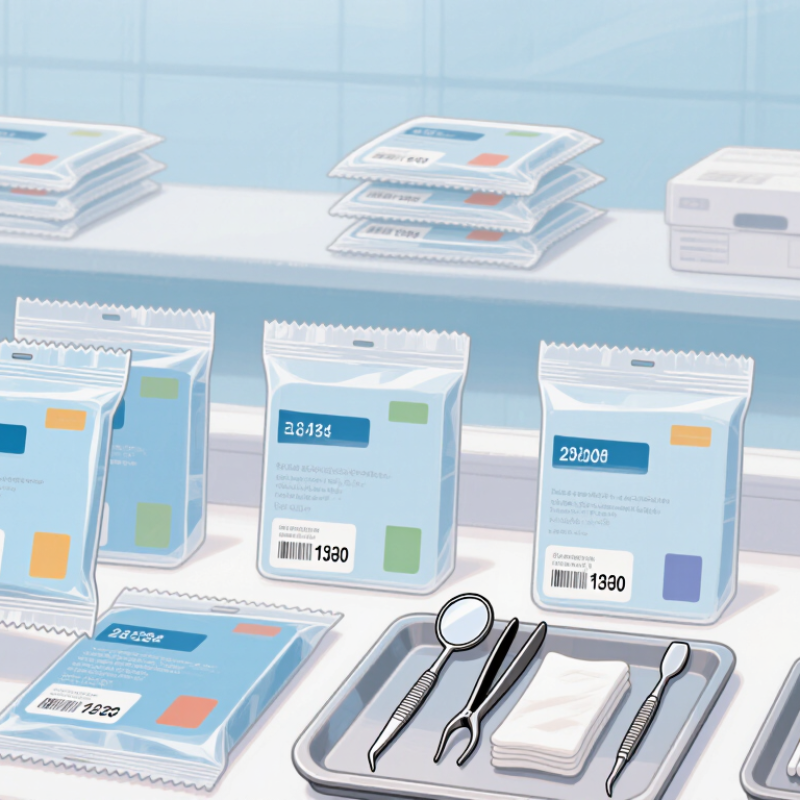
Examine the packaging closely. Look for intact seals, clear sterilization indicators, batch numbers, expiry dates, and readable instructions for use. Confirm that each component matches the intended procedure and patient setting. A surgical extraction kit needs different instruments from a routine examination kit. Small details matter. A loose wrapper can undermine confidence before treatment begins.

Reliable purchasing also depends on traceability and supplier performance. Ask how products are sterilized, tested, stored, and transported. Request current quality documentation and verify claims against recognized healthcare requirements in your region. Staff should be able to identify damaged packaging quickly. Training matters too. Even the best kit cannot correct careless handling.

There is no perfect checklist. Procurement teams may overlook familiar details during busy periods. That weakness deserves attention, not embarrassment. This guide examines material quality, instrument selection, packaging integrity, workflow efficiency, documentation, and total cost. It also considers sustainability without compromising sterility or clinical safety. A thoughtful decision protects patients, supports dental professionals, and reduces avoidable waste.
How to Choose Sterile Dental Kits in 2026?

Understanding Sterile Dental Kits and Their Clinical Purpose in 2026

How to Choose Sterile Dental Kits in 2026?

A sterile dental kit is more than a sealed group of instruments. Its clinical purpose is to reduce microbial contamination during procedures. The World Health Organization’s Global Oral Health Status Report (2022) estimates that nearly 3.5 billion people live with oral diseases. This scale makes reliable infection prevention essential, not optional.

Choose kits according to the procedure, not convenience. Extractions, implant placement, periodontal surgery, and routine examinations require different instrument sets. CDC guidance classifies surgical instruments as critical items, requiring sterilization before use. The CDC’s Summary of Infection Prevention Practices in Dental Settings also stresses proper cleaning, packaging, sterilization, and storage. A kit should include clear processing indicators, intact packaging, readable labels, and traceability records. Small details matter.

Look closely at the packaging.

AAMI ST79 emphasizes validated steam sterilization practices, monitoring, and documentation. However, a sterile label alone does not prove clinical suitability. Staff must check package integrity, moisture, instrument condition, and the sterilizer cycle record.

In practice, I have seen convenience influence purchasing decisions too strongly. That is a weakness worth admitting. The fastest kit may contain unnecessary tools, while a cheaper set may create delays when one essential instrument is missing. In 2026, responsible selection should balance sterility assurance, ergonomic workflow, procedure-specific contents, and documented quality controls. Teams should review real usage data regularly, because assumptions become outdated quickly.

Identifying Procedure-Specific Components and Kit Requirements

How to Choose Sterile Dental Kits in 2026?

Procedure-specific selection should guide every sterile dental kit purchase. A routine examination kit may need a mirror, explorer, cotton pliers, and periodontal probe. An extraction kit requires elevators, forceps, a surgical aspirator, and sterile gauze. Implant or periodontal procedures demand deeper planning, including surgical instruments, irrigation components, and tissue-management tools.

The CDC’s 2016 Summary of Infection Prevention Practices classifies instruments as critical, semicritical, or noncritical. Critical and semicritical instruments should receive heat sterilization when compatible. The same guidance supports mechanical, chemical, and biological sterilizer monitoring. The World Health Organization’s 2023 patient safety fact sheet reports that one in ten patients experiences harm during healthcare, with more than half considered preventable. A missing component can create avoidable handling, delays, or contamination risks. A kit may look complete. It may not be.

Tips: Match each kit to one procedure, not a general department. Check instrument quantity against the longest expected case. Confirm packaging size, sterilization compatibility, indicator placement, and traceability fields. Review the kit with dental assistants who use it daily. Their practical feedback often reveals awkward layouts and missing accessories. Do not ignore small items, such as suction tips, barriers, or sterile measuring guides. They are easy to overlook. I still find that “standard” kits need revision after real procedures. That is not failure; it is useful evidence.

How to Choose Sterile Dental Kits in 2026? - Identifying Procedure-Specific Components and Kit Requirements

Procedure Typical Sterile Kit Components Procedure-Specific Instruments Single-Use Supplies Key Kit Requirements Sterility and Packaging Checks Best-Fit Setting
Routine Examination Mouth mirror, explorer, periodontal probe, cotton pliers, instrument tray, patient napkin, saliva-control accessories Periodontal probe with clear markings; examination instruments appropriate for the planned assessment Patient bib, air-water syringe tip, saliva ejector, gauze, barrier film, disposable cup Should support basic inspection without unnecessary surgical items; mirror and probe must be intact and easy to identify Closed sterile barrier, intact seal, sterilization indicator, lot or traceability information, expiry date where applicable General dentistry
Restorative Treatment Basic examination set, restorative instruments, matrix accessories, cotton-roll holders, condensers, burnishers, mixing pad or well Excavator, plastic filling instrument, condenser, carver, burnisher, matrix retainer or sectional matrix accessories Matrix bands, wedges, applicator tips, microbrushes, etchant tips, cotton rolls, suction tip, patient bib Components should match the planned restorative material and tooth surface; avoid including incompatible or unneeded accessories Moisture-sensitive items require protective packaging; confirm expiration and storage conditions for any included material Operative rooms
Endodontic Treatment Endodontic ruler, endodontic explorer, files or reamers, file stand, irrigation syringe, aspiration accessories, rubber dam items Endodontic instruments sized for the planned canal procedure; rubber dam punch, clamp, forceps, measuring block Irrigation needles, irrigation syringes, paper points, absorbent points, rubber dam sheet, clamp accessories, disinfecting wipes Needle design must reduce accidental binding; irrigation components should be clearly separated from instruments used for canal preparation Check package integrity, file condition, size markings, chemical compatibility, and expiry dates for irrigation or obturation materials Endodontic rooms
Periodontal Scaling Examination instruments, periodontal probe, sickle scaler, area-specific curettes, universal curette, instrument cassette or tray Curettes and scalers selected for supragingival or subgingival calculus removal; periodontal probe with millimeter markings High-volume evacuation tip, saliva ejector, gauze, polishing cup, prophy angle, patient bib Working ends should be appropriate for tooth surface and pocket access; cutting edges must be undamaged Use validated sterile packaging for reusable instruments; verify no corrosion, residue, bent tips, or damaged pouches Hygiene and periodontal care
Simple Extraction Mouth mirror, explorer, tissue forceps, periosteal elevator, straight and angled elevators, extraction forceps, curette, hemostat Forceps pattern suitable for the tooth region; elevators matched to the planned luxation technique Sterile gauze, suction tip, syringe and needle, anesthetic accessories, suture materials if closure is anticipated Must include adequate hemorrhage-control and tissue-handling items; avoid using a basic examination kit alone Confirm sterility of instruments contacting blood or tissue; inspect forceps alignment, hinge movement, and sharp edges Oral surgery and general dentistry
Surgical Extraction Basic extraction set, surgical hand instruments, retractors, periosteal elevator, tissue forceps, surgical curette, hemostat Surgical elevators, root-tip instruments, bone files or rongeurs when indicated, scalpel handle, needle holder, surgical scissors Scalpel blade, sterile irrigation fluid, irrigation syringe, suction tubing, sutures, sterile drapes, gauze Should support incision, flap management, bone or root management, irrigation, hemostasis, and closure as clinically planned Double-check sterile field supplies, sharp-item protection, package seals, indicator results, and compatibility of sutures with the procedure Oral surgery rooms
Dental Implant Placement Implant surgery tray, tissue retractors, periosteal elevator, surgical suction, depth measurement instruments, implant placement instruments Osteotomy drills, drill stops or depth indicators, implant driver, torque-control interface, parallel pins, cover-screw instruments Sterile drapes, surgical gloves, irrigation tubing, sterile saline, sutures, scalpel blade, sterile gauze Instrument geometry and connection must match the selected implant system and planned osteotomy; torque range must be verified Confirm drill sequence, dimensions, sterility, reprocessing status, package integrity, and traceability for implant-related components Implant surgery rooms
Periodontal Flap Surgery Surgical examination set, scalpel handle, periosteal elevator, tissue forceps, curettes, surgical scissors, needle holder, retractors Periodontal knives or microsurgical blades, area-specific curettes, root-surface finishing instruments, delicate tissue-handling instruments Scalpel blades, sutures, sterile saline, irrigation syringe, surgical suction tip, sterile drapes, gauze Kit should prioritize atraumatic tissue handling, root debridement, irrigation, hemostasis, and predictable closure Inspect fine tips and cutting edges carefully; verify sterile barrier performance and packaging suitable for the surgical field Periodontal surgery
Biopsy or Soft-Tissue Procedure Scalpel handle, tissue forceps, fine scissors, needle holder, retractors, hemostat, specimen container accessories Biopsy punch or tissue forceps selected for the intended specimen size; instruments that minimize crushing of tissue Scalpel blade, sutures, sterile gauze, specimen label, transport container, local anesthetic accessories Must provide safe specimen handling, accurate labeling, hemostasis, and closure without compromising tissue integrity Verify sterile packaging, specimen-container compatibility, label legibility, expiry dates, and chain-of-custody procedures Oral pathology and surgery
Pediatric Dentistry Child-sized examination instruments, small suction accessories, basic restorative instruments, protective barriers, behavior-support supplies Small-head mirror, pediatric probe, compact extraction forceps or elevators when indicated, child-sized rubber dam accessories Small bib, child-sized suction tip, cotton rolls, disposable cup, topical application tips, protective eyewear Components should be appropriately sized, easy to identify, and suitable for shorter appointments and smaller oral cavities Check package seals, instrument size labeling, age-appropriate components, and expiration dates for included consumables Pediatric clinics
Universal selection checklist: Confirm the intended procedure, patient population, instrument sizes, sterile barrier integrity, sterilization indicator, lot traceability, expiration dates, storage conditions, single-use labeling, and compatibility with the dental unit and planned technique. Reusable instruments should be processed according to the manufacturer’s validated reprocessing instructions and the applicable local infection-prevention requirements.

Evaluating Sterilization, Packaging, and Regulatory Compliance

How to Choose Sterile Dental Kits in 2026?

A sterile dental kit should show how sterility was achieved, not merely claim it. Check the sterilization method, cycle validation, and release records before reviewing convenience. Steam sterilization suits compatible metal instruments and many heat-resistant materials. Ethylene oxide may serve heat-sensitive components, but residues and aeration require careful control. Radiation can sterilize sealed kits, although material changes must be assessed. Ask for validation evidence aligned with standards such as ISO 17665, ISO 11135, or ISO 11137.

Packaging protects sterility until the kit reaches the treatment room. Inspect every pouch, seal, label, and protective tray. A weak seal can fail during transport, even when the sterilization cycle was correct. Look for package integrity testing and barrier validation under ISO 11607. Clear indicators, lot numbers, manufacture dates, and expiration dates support traceability. The label should identify storage conditions and explain what to do if the package is wet, torn, or open.

Regulatory compliance needs more than a familiar symbol. Confirm that the supplier maintains a quality system, technical documentation, complaint procedures, and corrective-action records. Requirements differ by market, so local rules must be checked before purchasing. Ask whether the kit contains instruments legally permitted for its intended use. That detail is easy to overlook. A clean-looking package is not proof of safety. In practice, staff should record lot numbers during use and report damaged packaging immediately. My checklist is useful, but not perfect; unusual materials and rushed deliveries still deserve human review.

Comparing Materials, Suppliers, Costs, and Sustainability

Choosing sterile dental kits in 2026 requires more than comparing unit prices. Materials affect safety, handling, and waste. Surgical-grade stainless steel instruments tolerate repeated heat sterilization when maintained correctly. Single-use polymer components reduce reprocessing work, but they can increase disposal volume. The CDC recommends heat sterilization for reusable critical and semicritical instruments in dental settings (CDC, Summary of Infection Prevention Practices, 2016). Check sealed packaging, lot identification, sterility indicators, and clear expiration controls. Small details matter.

Supplier evaluation should include documented quality systems, batch traceability, sterilization validation, and delivery reliability. ISO 11607 provides requirements for sterile-barrier packaging. Ask suppliers for test records, not only certificates. Cost calculations should include storage, staff time, failed packs, replacement instruments, and waste handling. A cheaper kit may become expensive after opening errors or inconsistent contents. I have seen purchasing teams overlook this.

Sustainability needs measurable evidence. The World Health Organization reports that about 85% of healthcare waste is general, while 15% is hazardous (WHO, Health-care Waste Fact Sheet, 2018). Correct segregation prevents ordinary packaging from entering hazardous streams. Healthcare produces approximately 4.4% of global greenhouse-gas emissions (Health Care Without Harm and Arup, Health Care’s Climate Footprint, 2019). Choose minimal packaging, recyclable materials where clinically suitable, and suppliers with take-back or waste-reduction data. Be careful with “green” claims. They are not always complete. Compare lifecycle evidence, sterilization performance, and total cost before switching kits.

How to Choose Sterile Dental Kits in 2026?

Comparing Materials, Suppliers, Costs, and Sustainability Through Sterilization Requirements

Sterilization compatibility is a practical first filter when evaluating sterile dental kits. Steam sterilization commonly uses 121°C or 132–135°C cycles, while dry heat generally requires higher temperatures. Ethylene oxide and vaporized hydrogen peroxide operate at lower temperatures and may be suitable for heat-sensitive components, subject to validated manufacturer instructions.

Values show representative operating temperatures, not complete cycle specifications. Final purchasing decisions should also verify material composition, packaging integrity, supplier quality systems, total cost of ownership, and recyclable or lower-impact packaging options.

Verifying Quality, Traceability, Storage, and Safe Handling

How to Choose Sterile Dental Kits in 2026?

A reliable sterile dental kit needs more than clean-looking packaging. Check the sterility method, expiration date, lot number, and product instructions. The label should match the purchasing record and delivery documents. This creates traceability if a concern appears later. Verify the supplier’s quality system and request current compliance documents when necessary. Local requirements may differ, so clinical and regulatory teams should review them together.

Inspect every kit before use. Look for wet spots, torn seals, broken indicators, or crushed corners. A clear pouch can still hide a problem. Store kits in a dry, controlled area, away from sinks, chemicals, sunlight, and heavy boxes. Rotate stock by expiration date. Record temperature and humidity when storage procedures require them. Do not use a kit with doubtful integrity. That rule feels obvious, yet busy rooms can weaken it.

Tips: Open kits only after hand hygiene and surface preparation. Use aseptic technique, and touch sterile contents only with sterile gloves or instruments. Keep the inner field visible and avoid reaching across it. If a package falls, opens early, or becomes contaminated, discard it according to facility procedure. A simple checklist helps, but it should be reviewed regularly. Procedures can become outdated.

FAQS

How can I verify that a dental kit is truly sterile?

Check the sterilization method, validated cycle, release records, lot number, and expiration date. A clean pouch proves little.

Which sterilization method may suit reusable metal instruments?

Steam sterilization often suits compatible metal instruments and heat-resistant materials. Confirm material compatibility and maintenance requirements before reuse.

When might another sterilization method be needed?

Heat-sensitive components may require low-temperature methods. Residues, aeration, and material changes need documented control.

What should I inspect on sterile packaging?

Check seals, pouches, labels, indicators, and protective trays. Look for wet spots, tears, open edges, or crushed corners.

What information supports traceability?

Keep the lot number, manufacture date, expiration date, and purchasing record. Record the lot during use. Small details matter.

How should sterile kits be stored?

Store them in a dry, controlled area away from sinks, sunlight, chemicals, and heavy boxes. Rotate stock by expiration date.

What should happen if a package looks damaged?

Do not use it. Report the damage and follow facility procedures for disposal or replacement.

How should suppliers be compared beyond unit price?

Review validation records, quality systems, batch traceability, delivery reliability, and complaint procedures. Include staff time, failed packs, storage, and waste costs.

How can a dental kit reduce environmental impact?

Prefer minimal packaging and recyclable materials when clinically suitable. Verify measurable waste data instead of trusting vague green claims.

Is a checklist enough for choosing sterile dental kits?

No. A checklist helps, but unusual materials and rushed deliveries still need human review. Procedures can become outdated.

Conclusion

Choosing Sterile Dental Kits in 2026 requires a clear understanding of the clinical procedures they are designed to support. The right kit should contain only the essential instruments and consumables for each treatment, helping improve workflow, reduce preparation time, and limit unnecessary waste. Dental teams should assess whether the kit’s components match procedure requirements, patient safety expectations, and the facility’s infection-control protocols.

Key considerations include validated sterilization methods, secure packaging, clear labeling, and appropriate regulatory documentation. Buyers should also compare material quality, supplier reliability, total cost, and sustainability without compromising performance. Before use, every kit should be checked for package integrity, expiration information, batch or lot traceability, and suitable storage conditions. Staff must follow safe handling procedures throughout transport, storage, opening, and disposal. A careful evaluation process ensures that Sterile Dental Kits provide consistent quality, support efficient clinical care, and maintain high standards of safety and accountability.

Charlotte

Charlotte

Charlotte is a professional marketing specialist dedicated to helping businesses understand products, markets, and customer needs through clear, practical, and insightful communication. With a strong understanding of the company’s products, services, and industry applications, she transforms......